

Latest Articles
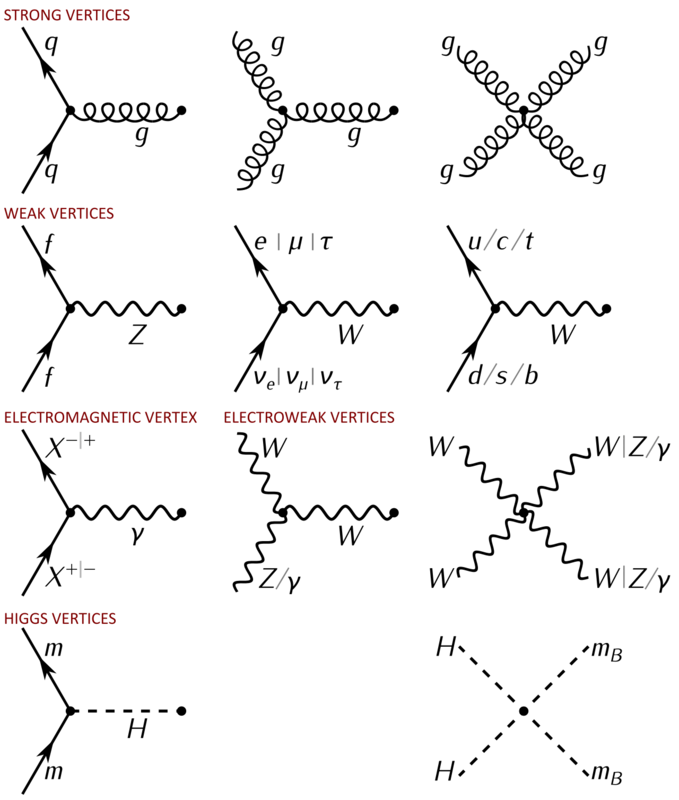
Quantum Field Theory: Why Particles Are Really Just Ripples
Every time you turn on a light, you are watching trillions of electron field ripples dance through a wire. The glow that reaches your eyes is made of photon field excitations traveling from a filament to your retina. This isn’t poetry, it’s the deepest description of reality we have. Ask a physicist what an electron…

The Quantum Measurement Problem: Why Observation Changes Reality
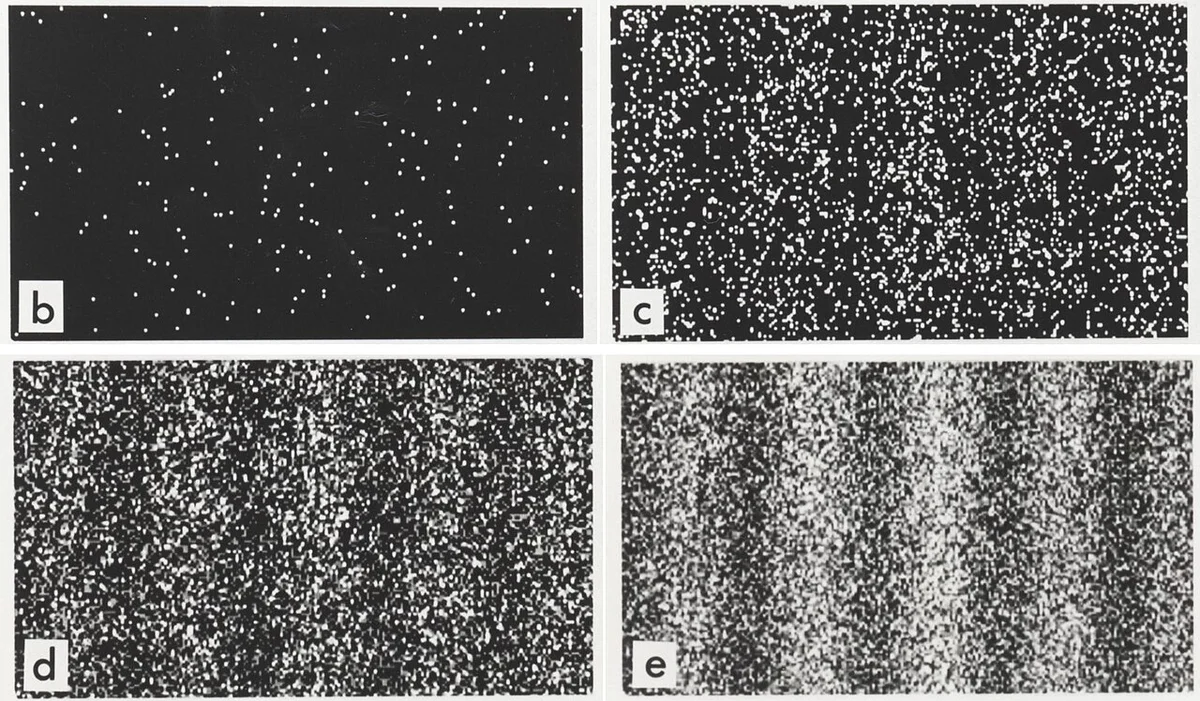
The quantum measurement problem is the paradox that quantum particles exist in multiple states simultaneously until measured, yet always appear in a single definite state upon observation. This transition from indefinite superposition to definite outcome has no satisfactory explanation within standard quantum mechanics, making it the deepest unresolved conceptual puzzle in physics. Bottom line: Quantum…

CRISPR Explained: The Gene-Editing Revolution That Changed Biology
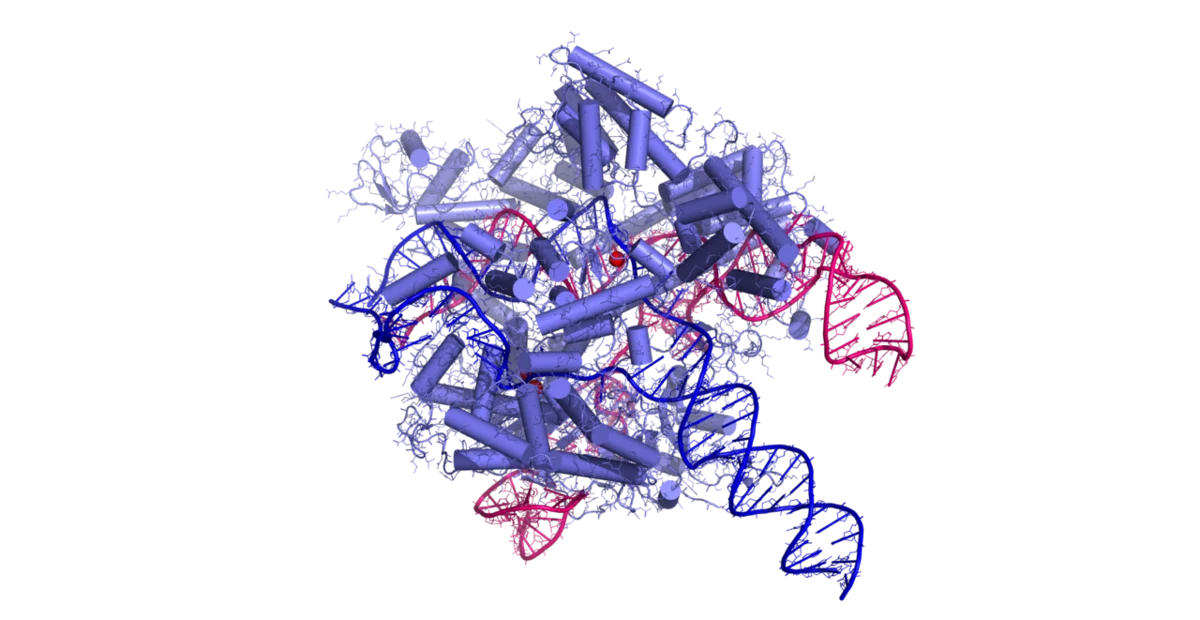
In 2012, a discovery changed biology forever: a molecular machine borrowed from bacteria could be reprogrammed to cut DNA at any precise location in any genome. It was faster, cheaper, and more accurate than anything that had come before. Within years, it had triggered a revolution in medicine, agriculture, basic research, and bioethics. CRISPR is…

Occam’s Razor: The Principle That Guides Scientific Thinking
“Entities should not be multiplied beyond necessity.” When you have two explanations for a mystery, which one should you trust first? This 14th-century maxim, attributed to the English friar William of Ockham, became one of the most influential principles in the history of science. Known as Occam’s razor: the principle that simpler explanations are preferred…

The Black Hole Information Paradox: What Happens When Data Disappears?
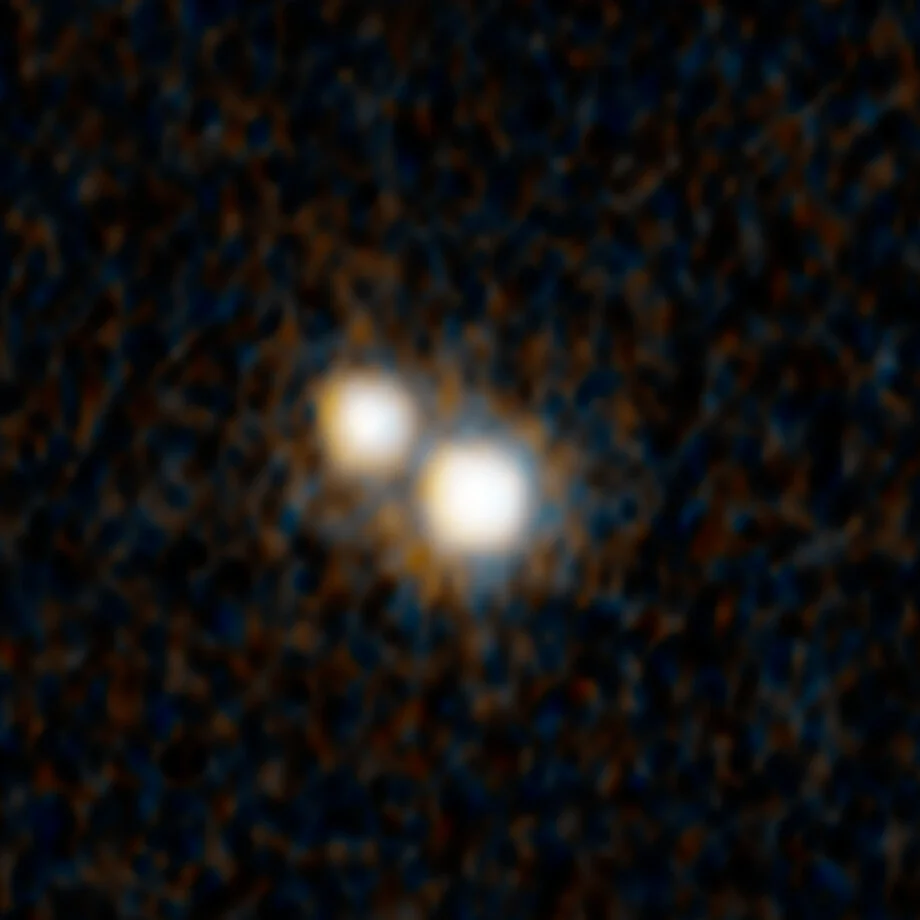
Imagine dropping an encyclopedia into a black hole. Every fact, every word, every bit of information encoded in its pages falls past the event horizon and is, apparently, lost forever. Not just inaccessible, erased from reality. If that’s true, then one of the most fundamental principles of physics is wrong. The black hole information paradox…

How JWST Detects Biosignatures: What the Telescope Can and Cannot Confirm
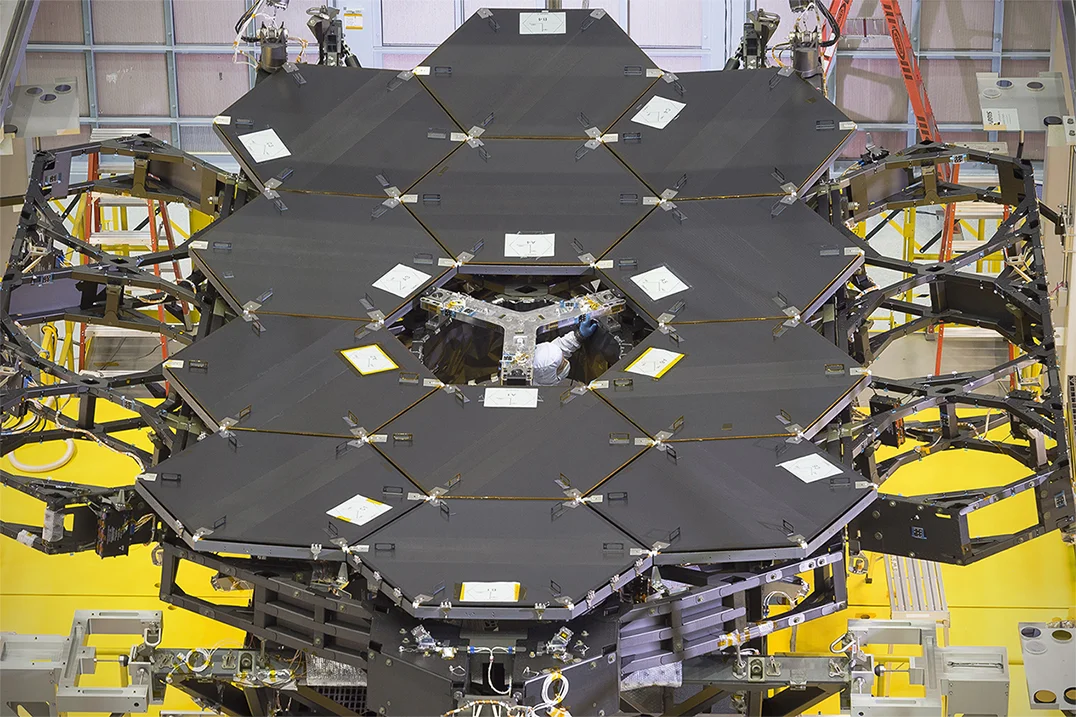
The JWST biosignature detection capability represents a monumental leap in humanity’s ability to search for life beyond Earth, yet the telescope operates within strict physical and observational limits that prevent definitive confirmation of life on exoplanets. Since its launch in December 2021, the James Webb Space Telescope has transformed exoplanet science by observing the chemical…