

Latest Articles
Integrated Information Theory: Is Consciousness Just a Number?
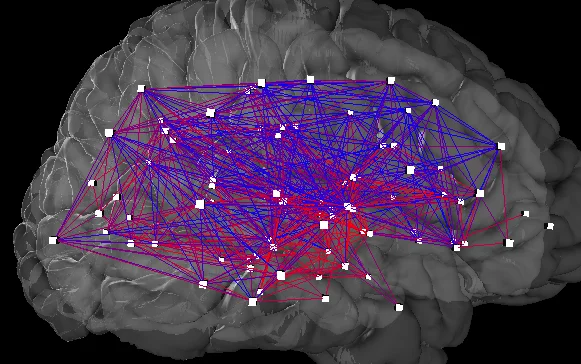
Imagine a patient in a vegetative state, unresponsive for months. Her eyes open, she breathes, but no command, no stimulus, elicits recognition. Then, using a technique derived from Integrated Information Theory, doctors find a subtle signature of complex electrical activity in her posterior cortex. She is later shown to have fragments of awareness. What these…

Biological Constraints on the Evolution of Intelligence
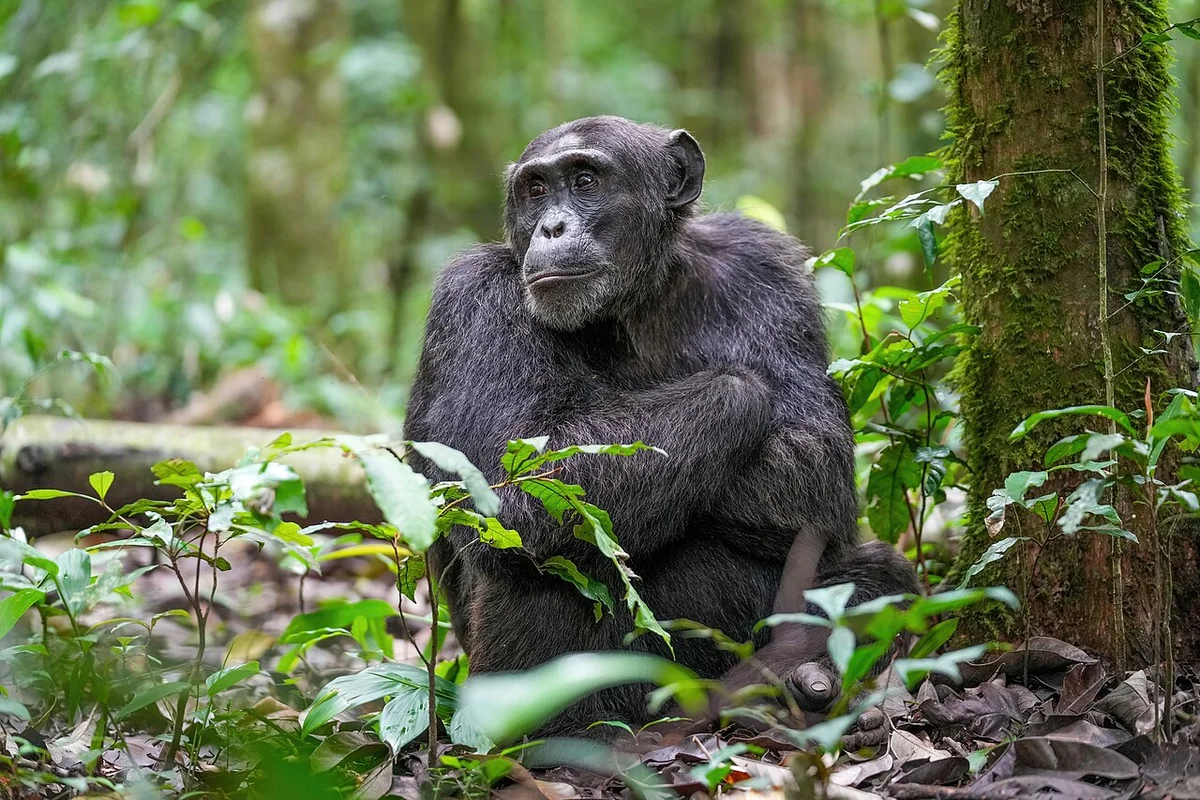
The study of intelligence, whether on Earth or beyond, is fundamentally shaped by biological constraints on intelligence that limit how complex a brain can become. These constraints, rooted in energetic trade-offs and physical scaling laws, suggest that the evolution of intelligence may be far rarer in the universe than optimists presume. This article examines peer-reviewed…

Psychedelics and Consciousness: What Brain Science Has Learned
For most of the 20th century, psychedelic compounds were effectively off-limits to science. Schedules and stigma made research nearly impossible. The pharmacology was known; what these compounds did in the brain was not. Today, research on psychedelics and consciousness is booming. That changed. Beginning in the early 2000s, a handful of research groups, at Imperial…

Entropy and Thermodynamics: Why Things Always Get More Disordered
Drop a cup of hot coffee on a table. It will cool until it reaches room temperature. Pour cream into black coffee. It will mix. Shatter a glass. The pieces won’t reassemble. Burn a log. The ash won’t reconstitute itself into wood. All of these are expressions of the same fundamental law: the second law…

Quantum Tunneling: How Particles Pass Through Solid Barriers
Quantum tunneling is one of the most counterintuitive phenomena in modern physics. It describes how a particle can pass through a barrier that, according to classical physics, it should never be able to cross. This behavior is not a hypothetical curiosity. It drives nuclear fusion in stars, enables radioactive decay, and powers scanning tunneling microscopes…

Sexual Selection: Darwin’s Other Big Idea
Charles Darwin had two great ideas. The first, natural selection, is what most people know. The second, sexual selection, is less famous but arguably more responsible for the spectacular diversity of the living world. Why would evolution create a three-foot, rainbow-colored burden that screams “Eat me!” to predators? That’s the puzzle of the peacock’s train…