
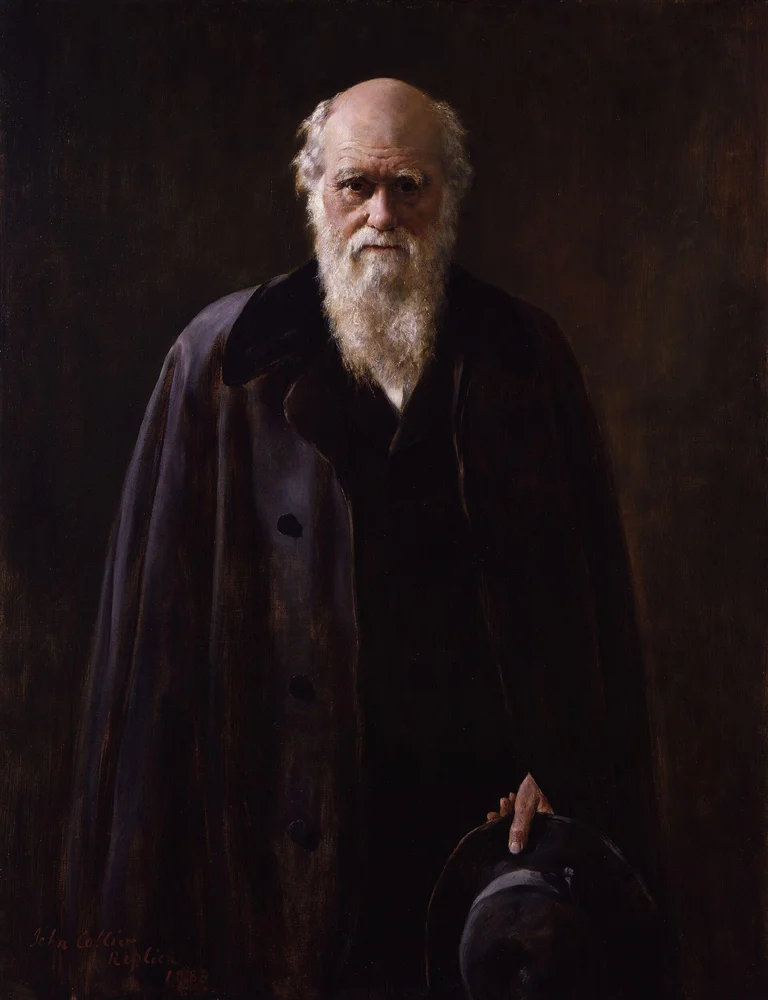
Charles Darwin had two great ideas. The first, natural selection, is what most people know. The second, sexual selection, is less famous but arguably more responsible for the spectacular diversity of the living world.
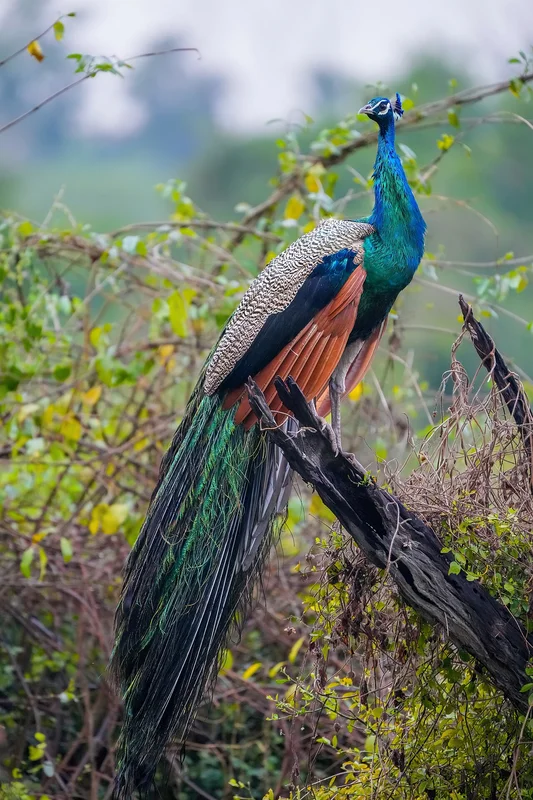
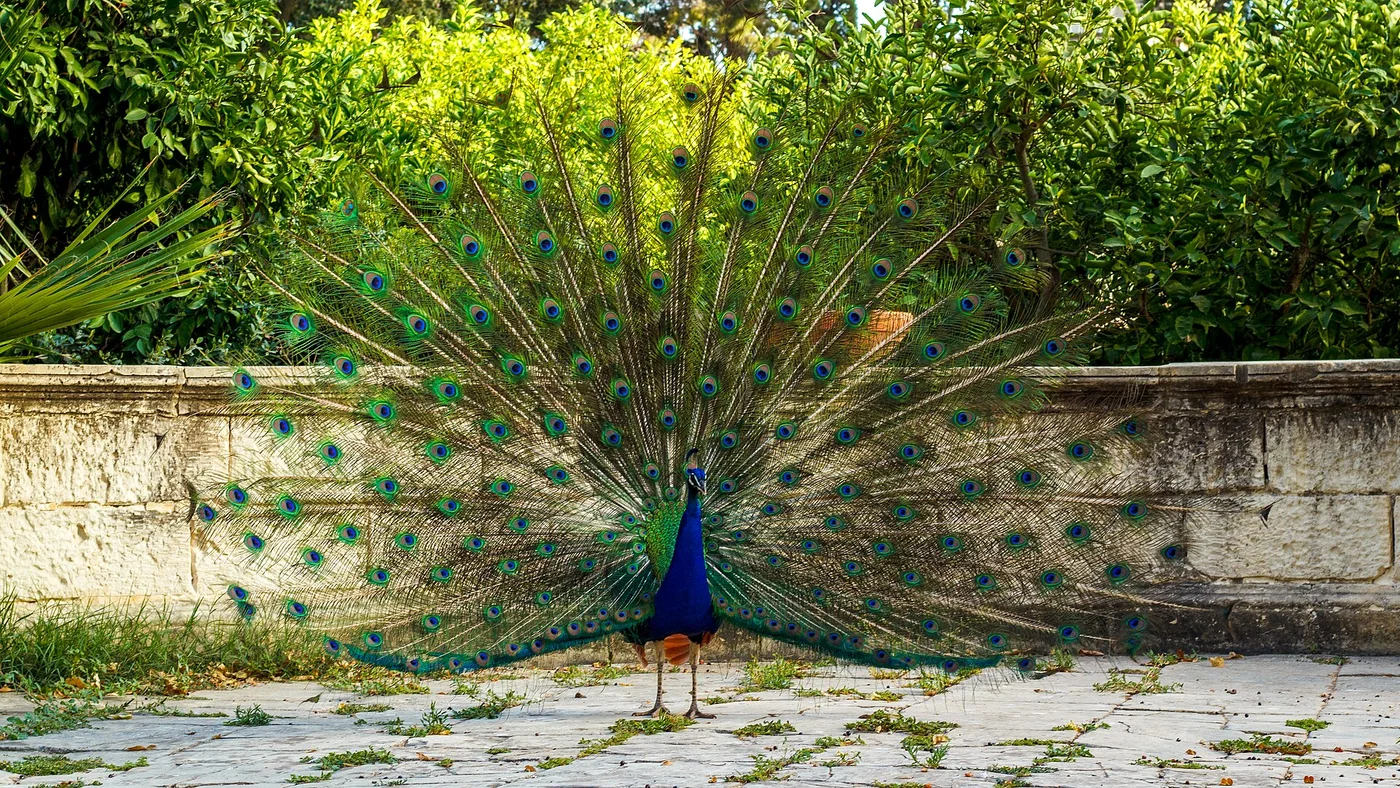
Why would evolution create a three-foot, rainbow-colored burden that screams “Eat me!” to predators? That’s the puzzle of the peacock’s train of elongated upper tail coverts, the feathers that fan out in the iconic display. These feathers span three feet, shimmer with iridescent blues and greens, and are fantastically expensive to grow and carry. A peacock’s train is terrible for survival, it slows the bird down, makes it more visible to predators, and costs significant metabolic resources to maintain.
Darwin’s answer, developed in his 1871 book The Descent of Man, and Selection in Relation to Sex, was that some traits evolve not because they help survival but because they help reproduction: specifically, because they are chosen by the opposite sex or help defeat rivals in competition for mates.
This is sexual selection, and it is one of the most powerful forces in evolution.
Sexual selection is the evolutionary process that favors traits improving an individual’s chances of mating and passing on its genes. It acts alongside natural selection, and in some cases, like the peacock’s train, can push traits in directions that are outright detrimental to survival.
What Is Sexual Selection?
Sexual selection is the evolutionary process favoring traits that improve mating success, even at the cost of survival.
Two Mechanisms of Sexual Selection
Intrasexual Selection: Competition Between Same-Sex Individuals
Intrasexual selection involves direct competition between members of the same sex, usually males, for access to mates. The winner gets to mate; the loser doesn’t.
This competition takes many forms. Male elephant seals fight brutal battles for access to beach territories where females congregate. The largest, most dominant males control harems of dozens of females; smaller males may not mate at all. This drives selection for male size, strength, and fighting ability, which is why male elephant seals are three to four times the mass of females.
Male deer, elk, and moose grow elaborate antlers used primarily in combat with other males during the rut. The antlers are an extraordinary investment: a bull moose’s rack can exceed 30 kg in the largest individuals and must be regrown annually. But the payoff, exclusive mating access, is worth it in evolutionary terms.
Intrasexual selection also includes sperm competition: competition between sperm cells from different males within the same female reproductive tract. In species where females mate with multiple males, males have evolved higher sperm production, larger testes (relative to body size), and in some species, sperm with behavioral or morphological features that help them outcompete rivals.
Intersexual Selection: Mate Choice
Intersexual selection involves one sex (usually females) choosing among potential mates. When females choose, they drive evolution of male traits that females prefer, even when those traits are costly or disadvantageous for survival.
This is where peacocks come in. If peahens (female peacocks) consistently prefer males with larger, more elaborate trains, then males with better trains will mate more and leave more offspring. The genes for larger trains spread through the population. The preference and the trait co-evolve in a process that can produce extreme ornamentation.
But why would females choose males based on extravagant ornamentation? Several hypotheses have been proposed and debated.
Why Do Females Choose Showy Males?
Direct Benefits
Before examining the more famous hypotheses, it’s worth noting that many females choose mates for direct benefits: tangible resources that improve survival or offspring success. Females may prefer males that provide high-quality territories, food, protection from predators, or rigorous paternal care. In the red-winged blackbird, females select males with the best nesting sites on their territories, regardless of the male’s appearance. In stickleback fish, females prefer males that build well-constructed nests. Direct benefits are simple, well-documented, and likely common across many species.
Sensory Bias: Pre-existing Preferences Shape Ornamentation
Another major hypothesis holds that female preferences may not have evolved for male ornaments, rather, male ornaments evolved to exploit pre-existing sensory biases in females. In this sensory bias/exploitation hypothesis (Ryan & Rand 1990), females already favor certain colors, shapes, or movements due to ecological or sensory factors (e.g., preferring red fruits or detecting motion). Males that happen to display these traits gain a mating advantage. For example, in guppies, females prefer orange spots, a color they are already sensitive to in foraging contexts. Over time, male ornamentation evolves to further exaggerate these pre-existing preferences. This hypothesis has strong empirical support in fish, frogs, and birds, and offers an alternative to Fisherian runaway for explaining the initial origin of female preferences.
The Runaway Selection Hypothesis (Fisherian Runaway)
The simplest explanation for purely ornamental traits, proposed by Ronald Fisher in the 1930s, is that female preferences can become self-reinforcing. Suppose females initially prefer slightly larger trains because, say, larger trains correlate with male health or parasite resistance. Males with larger trains get more matings; their sons inherit both larger trains and, through their mothers, the preference for large trains. Over generations, the preference and the trait become genetically correlated: they are co-inherited because females with the preference almost always mate with males having the trait, creating statistical associations (linkage disequilibrium) between genes for the preference and the trait. This positive-feedback loop escalates both together. In guppies, this runaway process can be observed in the lab within generations, where females bred for preference for orange spots produce males with increasingly vibrant coloration.
Once started, the runaway process doesn’t need any ongoing survival benefit to continue. The preference spreads because females with the preference have sons who are attractive to other females: their grandchildren are more numerous. The trait can evolve far beyond any survival optimum, driven purely by the inherited logic of attractiveness.
The Good Genes Hypothesis
A more pragmatic hypothesis: female preferences exist because they help females choose males with genuinely superior genes. In this view, elaborate ornaments are honest signals of genetic quality: they are difficult to fake because only genuinely healthy, well-nourished males can grow them.
The peacock’s train is the classic example, though evidence is mixed. Some studies have found that peacock train characteristics correlate with male immune function, while others have failed to find strong associations between train traits and male health or parasite resistance. The train’s role as an honest signal remains controversial. It is a “costly signal”: it requires substantial resources to produce and maintain, imposes real costs on survival, and therefore can only be maintained by males in good condition. A sickly male can’t afford an elaborate train; a healthy male can. By choosing the best train, females are indirectly choosing the best genes for their offspring.
This is sometimes called the handicap principle, formalized by Amotz Zahavi: the costliness of the signal is precisely what makes it reliable. If the signal were cheap, every male could fake it.
The Sexy Sons Hypothesis
Related to Fisher’s runaway: females choose attractive males not primarily for good survival genes but to have attractive sons. Attractive sons will be chosen by many females in the next generation, producing more grandchildren. Choosing an attractive male is itself a reproductive strategy.
The Parasite Resistance Hypothesis
Proposed by W.D. Hamilton and Marlene Zuk, this hypothesis argues that the specific patterns of sexual ornamentation, particularly the elaborate symmetry and coloration of many displays, are signals of parasite resistance. Species with high parasite burdens should show the most elaborate sexual ornamentation, because parasite-resistant individuals are distinguished most clearly by their ornaments.
The hypothesis generates testable predictions about the correlation between parasite load and ornamentation across species, predictions that have received mixed empirical support.
Female Competition and Ornamentation
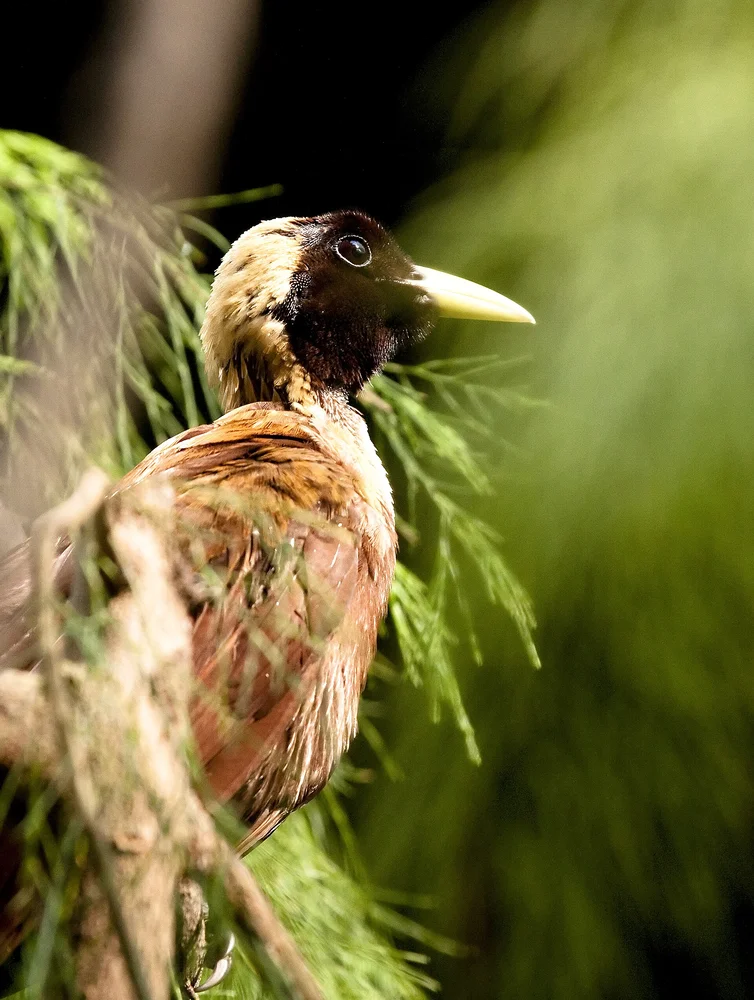
The discussion so far has focused almost entirely on male ornamentation and male-male competition. But sexual selection also acts on females, sometimes producing conspicuous female traits. In species with sex-role reversal, females compete aggressively for mates and evolve larger size, brighter colors, or weapons. In jacanas (tropical wading birds), females are larger and more brightly colored than males, and they defend territories containing multiple males who incubate the eggs and raise the chicks. Female topi antelopes compete for access to preferred mating territories, and female pipefish compete for males, who carry the developing embryos. Even in species without full sex-role reversal, female ornamentation can evolve through mutual mate choice or female-female competition for resources tied to mating. The bowerbird, where males build and decorate elaborate bowers to attract females, is a vivid example of how both sexes can engage in sexual selection dynamics.
Cryptic Female Choice
Beyond sperm competition, post-copulatory sexual selection includes a subtler mechanism: cryptic female choice. After mating, females can influence which male’s sperm fertilizes their eggs through physiological, chemical, or behavioral means. Female feral fowl, for example, can eject sperm from less-preferred males after mating. In many insects, the female reproductive tract contains specialized storage organs that can selectively use or discard sperm from different males. Cryptic female choice is now recognized as a major force in sexual selection, operating at the molecular level within the female body and complementing the more visible battles of sperm competition.
The Costs of Sexual Selection
Sexual selection often produces a conflict of interest between survival selection and mating success, and between the sexes.
Sexual conflict arises when what is optimal for male reproductive success differs from what is optimal for female reproductive success. Male damselflies physically remove the sperm of previous males when mating. Male ducks have evolved corkscrew-shaped penises, and female ducks have co-evolved vaginal anatomy that makes forced insemination difficult, a coevolutionary arms race between male and female reproductive strategies.
In many species, male ornamentation that increases mating success simultaneously decreases survival. Peacock trains are conspicuous to predators and energetically expensive. Male elk antlers make forest navigation difficult and fighting injuries common. The evolutionary equilibrium reflects the balance between these opposing forces.
Sexual dimorphism, physical differences between males and females beyond the reproductive organs – is largely the product of sexual selection. Species with intense intrasexual competition or strong directional mate preferences tend to show the most extreme dimorphism.
Sexual Selection in Humans
Applying sexual selection theory to Homo sapiens is fascinating and contentious. Humans show moderate sexual dimorphism: men are on average larger and more muscular than women, with deeper voices and more facial hair. These differences are consistent with a history of intrasexual competition and mate choice, though far less extreme than in highly polygynous species.
Several human traits have been proposed as sexually selected signals:
Language and complex cognition: Geoffrey Miller has controversially proposed that human intelligence, creativity, humor, and language are in part products of sexual selection: mental equivalents of the peacock’s train, evolved as costly signals of genetic quality. The extraordinary cognitive abilities of humans would then reflect a history of mate choice for intelligence, just as peafowl have a history of mate choice for train elaboration.
Music and art: Miller and others have noted that music and art are culturally universal, predominantly produced by young adults of peak reproductive age, and disproportionately produced by men competing for status and mates. These patterns are consistent with sexual selection, though not definitive evidence for it.
Physical attractiveness: Research on human mate preferences shows cross-cultural consistency for some traits (facial symmetry, indicators of youth and health, waist-to-hip ratio in women) that may reflect honest signals of genetic quality and reproductive value, consistent with the good genes hypothesis.
However, many modern hypotheses about human traits like language, music, and artistic creativity remain speculative and difficult to test rigorously. It is important to distinguish between well-supported claims (such as sex differences in mate preferences documented across cultures) and plausible but unproven ideas (such as sexual selection for language complexity). Human sexuality is far more complex than any simple sexual selection model captures. Mate preferences in humans are not purely biological: they are shaped by culturally transmitted preferences that can override or modify biological signals. Body modification, status symbols, and culturally specific beauty standards all show how culture channels and sometimes amplifies sexual selection. Human pair bonding, extended parental investment, and the involvement of both parents in child-rearing create selection pressures quite different from those in highly polygynous species.
Sexual Selection and Speciation
Sexual selection plays a surprisingly important role in species formation. When populations are geographically isolated, their mate preferences can diverge. If preferences in one population evolve toward trait A and in another toward trait B, then when the populations come back into contact, hybrids may be unattractive to members of either population. This reproductive isolation, driven by evolved differences in mate preference, can lead to speciation.
The extraordinary diversity of cichlid fish in East African lakes is partly attributed to sexual selection on color patterns. The dazzling plumage diversity among birds of paradise, each species with a unique and bizarre courtship display, reflects strong divergent sexual selection in isolated populations.
Sexual selection may be one of the primary mechanisms driving the rapid diversification of species in the animal kingdom.
Why Sexual Selection Matters Beyond Biology
Darwin’s theory of sexual selection has had a profound and often troubled influence beyond biology. The Victorian-era application of sexual selection to human gender differences and racial comparisons was badly misused to justify social hierarchies, a history that should be understood and reckoned with.
Modern evolutionary biology approaches human behavioral evolution with far more sophistication and caution. Evolutionary hypotheses about human traits are not automatically correct, are often difficult to test rigorously, and must be distinguished from just-so stories that post-hoc rationalize cultural patterns.
What is not in question is the extraordinary power of sexual selection as an evolutionary force in the animal kingdom. The peacock’s train, the elk’s antlers, the manakin’s energetic courtship dance, the bowerbird’s meticulously crafted bower, the firefly’s flash: all are monuments to the evolutionary consequences of mate choice. They demonstrate that natural selection is not the only sculptor of life. The preferences of individuals can shape entire species, driving ornament, behavior, and cognition in directions that pure survival selection would never produce.
Darwin saw this clearly in 1871. We are still working out the details.
Common Questions
- Is the peacock’s tail really a handicap? Yes, its train of elongated upper tail coverts is a classic example of the handicap principle, though its role as an honest signal of genetic quality remains debated.
- Does sexual selection happen in plants? Yes, in many plants via competition for pollinators and mate choice through pollen tube growth and ovule selection.
- Why are males often more ornamented than females? Because males typically invest less in offspring and can mate with multiple females, so competition for mates is stronger on males, intensifying sexual selection on male traits.
Key Takeaways
- Sexual selection has two forms: intrasexual competition (same-sex rivalry) and intersexual choice (mate preference).
- Extravagant traits evolve because they improve mating success, not survival, explaining peacock trains, elk antlers, and bird-of-paradise dances.
- Female choice can be driven by direct benefits (resources, protection), good genes, sexy sons, Fisherian runaway, or sensory bias: pre-existing female preferences that male ornaments exploit.
- Sexual selection acts on females too: in jacanas and pipefish, females compete and display, and cryptic female choice operates after mating.
- Speciation can result when divergent mate preferences isolate populations.
Sources
- Darwin, C. (1871). The Descent of Man, and Selection in Relation to Sex. John Murray.
- Fisher, R.A. (1930). The Genetical Theory of Natural Selection. Clarendon Press.
- Zahavi, A. (1975). Mate selection, a selection for a handicap. Journal of Theoretical Biology, 53(1), 205–214.
- Hamilton, W.D. & Zuk, M. (1982). Heritable true fitness and bright birds: a role for parasites? Science, 218(4570), 384–387.
- Ryan, M.J. & Rand, A.S. (1990). The sensory basis of sexual selection for complex calls in the túngara frog. Science, 249(4975), 1407–1409.
- Miller, G. (2000). The Mating Mind: How Sexual Choice Shaped the Evolution of Human Nature. Doubleday.
- Andersson, M. (1994). Sexual Selection. Princeton University Press, a comprehensive modern review.
- Kokko, H. & Jennions, M.D. (2008). Parental investment, sexual selection and sex ratios. Journal of Evolutionary Biology, 21(4), 919–948.
What is sexual selection?
Sexual selection is an evolutionary process that favors traits improving an individual’s chances of mating and reproducing, even if those traits hinder survival.
How does sexual selection differ from natural selection?
Natural selection favors traits that enhance survival, while sexual selection favors traits that enhance mating success, sometimes at the cost of survival.
Why did Darwin propose sexual selection?
Darwin proposed sexual selection to explain traits like the peacock’s train that seem detrimental to survival but help individuals attract mates or compete for reproduction.
What is an example of sexual selection?
The peacock’s elaborate train is a classic example: it is costly to grow and attracts predators, but it increases mating success by appealing to peahens.
When did Darwin publish his theory of sexual selection?
Darwin published his theory of sexual selection in his 1871 book ‘The Descent of Man, and Selection in Relation to Sex.’