

Latest Articles
Methane as a Biosignature: Why It Hints at Alien Life
The search for life beyond Earth hinges on identifying biosignatures – chemical markers in a planet’s atmosphere that are best explained by biological processes. Among the most compelling candidates is methane biosignature exoplanets, a topic that has gained urgency with the launch of the James Webb Space Telescope (JWST). Methane alone is not proof of…

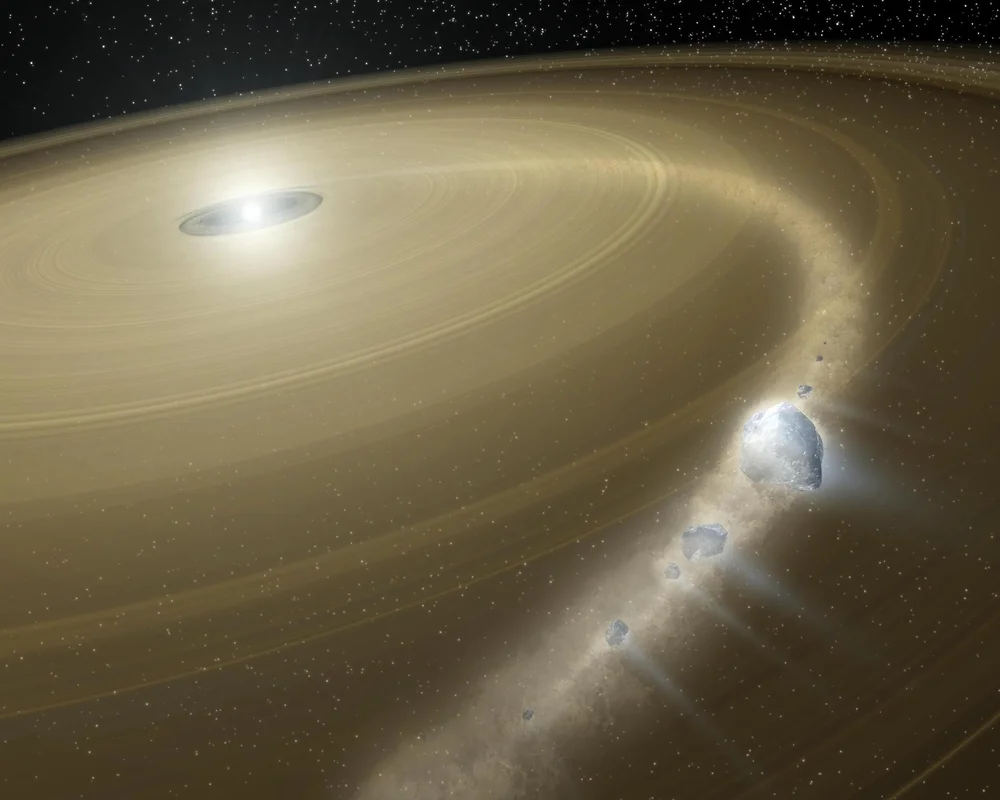
How White Dwarfs Cool: The Slow Dance of Stellar Remnants
Understanding how white dwarfs cool over time is essential for using these dense stellar remnants as cosmic clocks that measure the age of the Milky Way and the history of nearby star populations. White dwarfs are the final evolutionary stage of stars like our Sun – objects that have shed their outer layers and left…

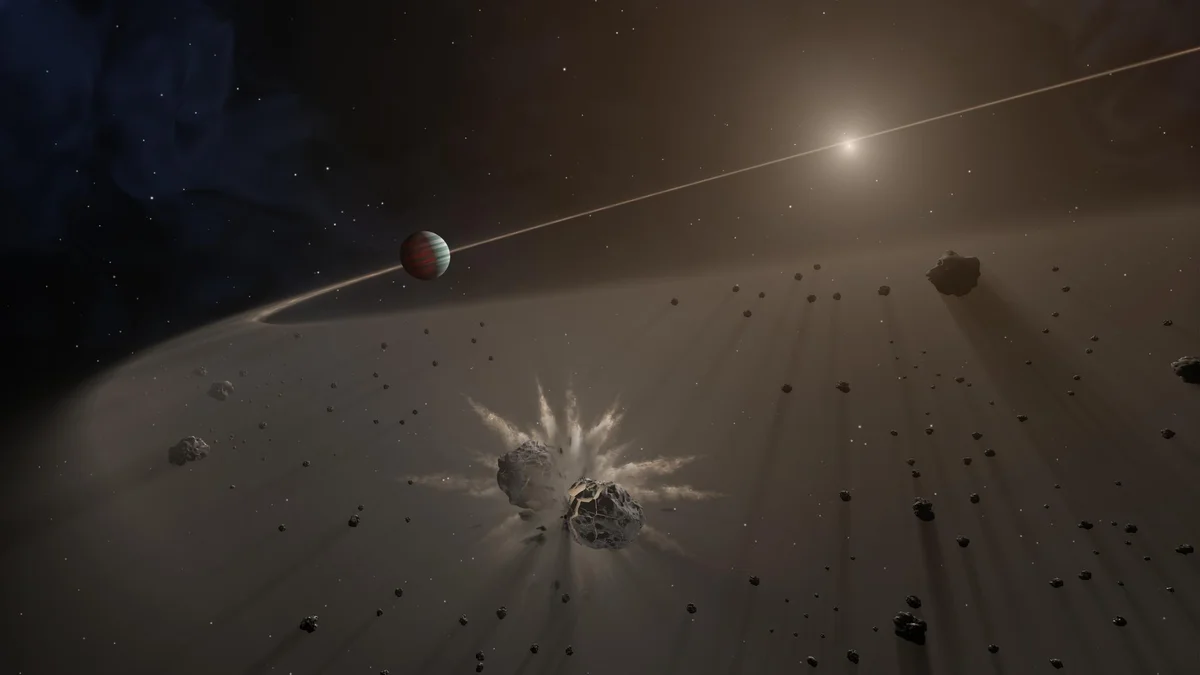
Epsilon Eridani: A Young Planetary System That Mirrors Our Solar System’s Past
Just 10.5 light-years away in the constellation Eridanus, Epsilon Eridani is one of the closest planetary systems to our own, and one of the youngest yet found around a Sun-like star. At only a few hundred million years old, this orange dwarf is still encircled by dusty debris belts and shaped by at least one…
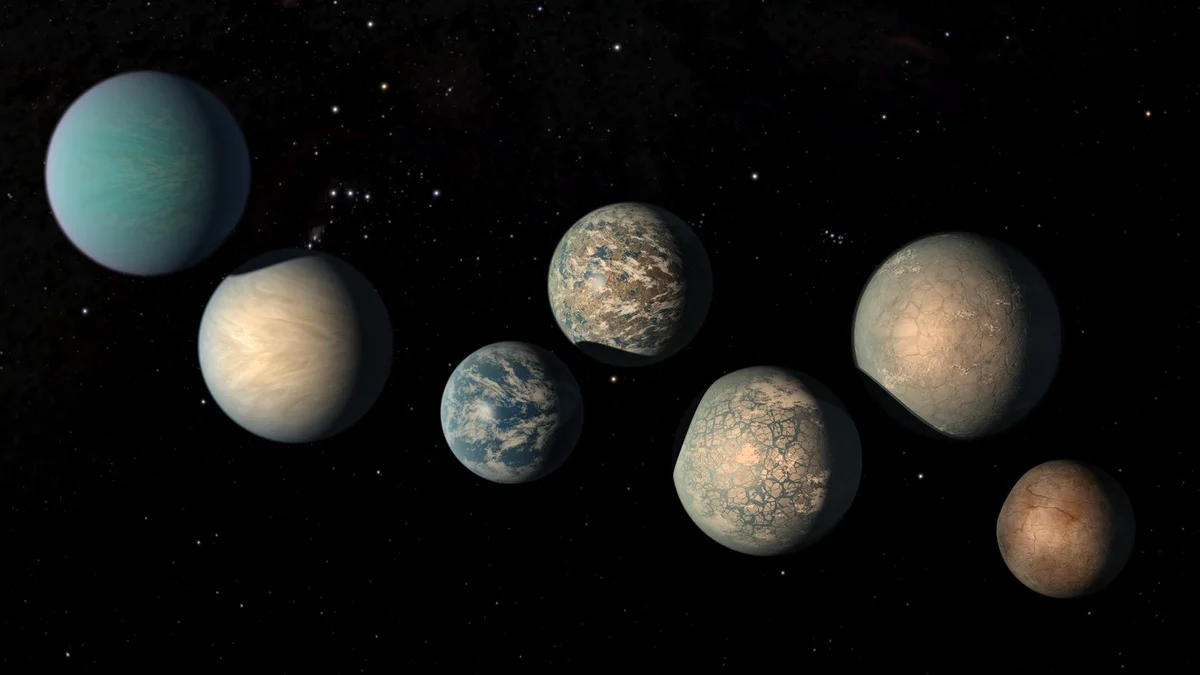
Tidal Locking and Habitability: The Strange Worlds That Never Rotate
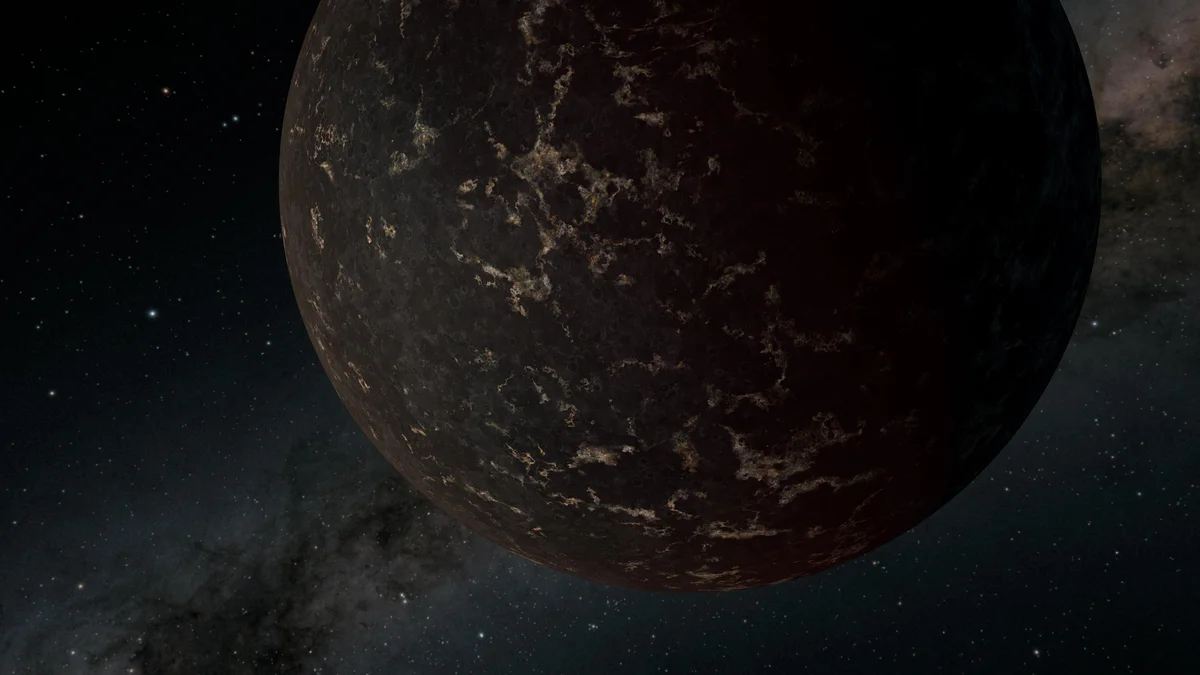
The tidal locking effect on exoplanet habitability represents one of the most intriguing challenges in modern astrophysics, forcing scientists to reconsider traditional assumptions about what makes a planet capable of supporting life. When a planet becomes tidally locked to its host star, one hemisphere experiences perpetual daylight while the other remains in endless darkness, creating…

Scientific Paradigm Shifts: How Science Actually Changes Its Mind
Science is often portrayed as a steady march of progress, each discovery adding a brick to an ever-growing wall of knowledge. But that picture is wrong. Real scientific history looks more like decades of quiet accumulation followed by sudden, disorienting upheaval. The Earth moves. Continents drift. Atoms are mostly empty space. The germ theory of…

What Is Life? Biology’s Most Fundamental Unanswered Question
We can sequence a genome, synthesize a cell membrane, and build molecules that replicate themselves. We can detect metabolism in distant ocean worlds and observe amino acids forming in meteorites. We can edit the DNA of living organisms with molecular scissors. And yet we still cannot fully answer what is life. But we still cannot…