

Latest Articles
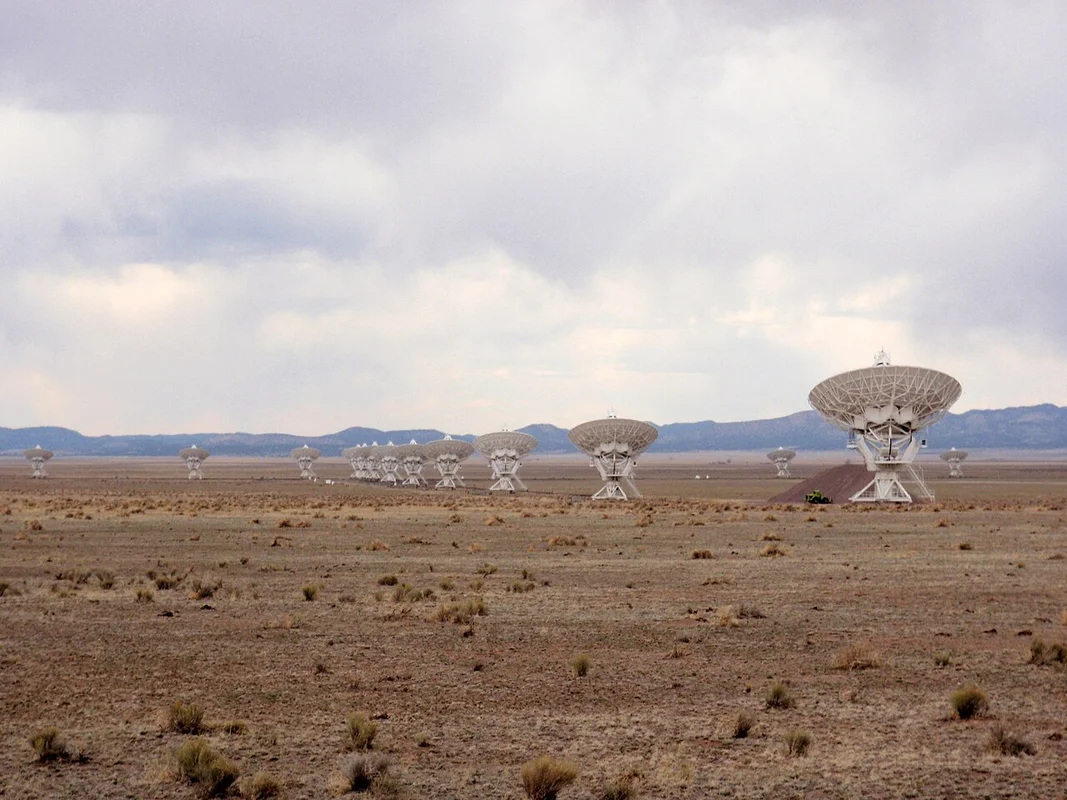
SETI: 60 Years of Listening for Alien Signals
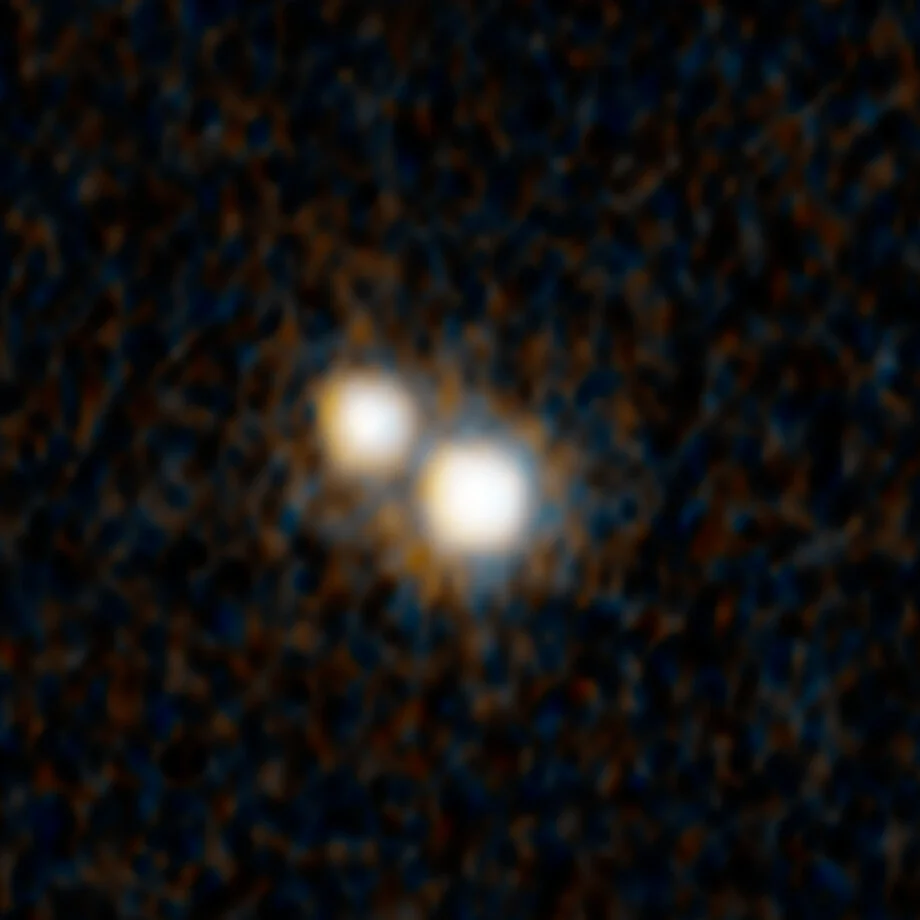
On April 8, 1960, at the National Radio Astronomy Observatory in Green Bank, West Virginia, a 26-meter radio telescope pointed toward two nearby sun-like stars, Tau Ceti and Epsilon Eridani, and listened. That moment marks the start of modern SETI history. Project Ozma, run by astronomer Frank Drake, was the first systematic scientific search for…

Why Mathematics Describes Nature: The Unreasonable Effectiveness of Math
In 1960, physicist Eugene Wigner published a short essay with a remarkable title: “The Unreasonable Effectiveness of Mathematics in the Natural Sciences.” It captured a genuine mystery: why mathematics describes nature at all. Wigner’s puzzle was simple but deep. Mathematics is a purely human intellectual creation, invented (or discovered, depending on your philosophy) without any…

The Zoo Hypothesis: Are Aliens Deliberately Hiding From Us?
The universe is 13.8 billion years old and contains perhaps 2 trillion galaxies, each with hundreds of billions of stars. Even by conservative estimates, the conditions for life should have arisen in many places long before Earth existed. Some of those civilizations, given billions of years of development, should be capable of technologies we can’t…

The Origin of the Moon: Earth’s Giant Impact Story
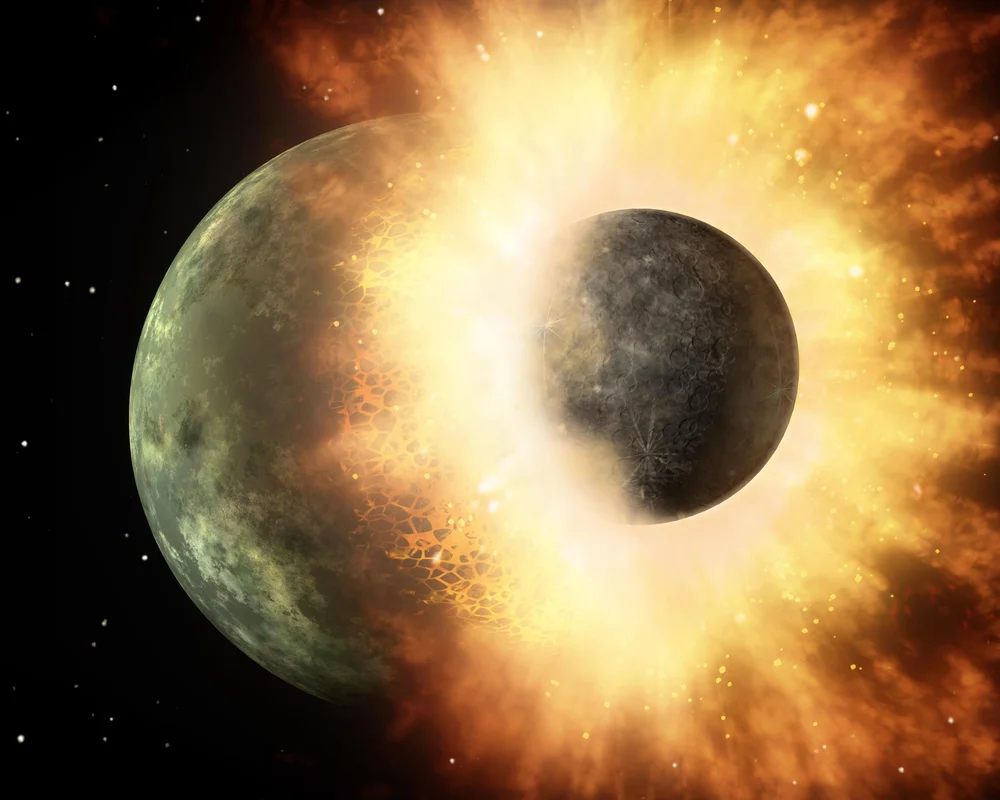
The Moon hangs in the night sky so familiarly that it’s easy to forget it’s bizarre. It’s unusually large for a moon, proportionally, it is the largest major moon in the solar system (only Pluto’s Charon, relative to Pluto, is larger, and Pluto is classified as a dwarf planet). Its composition closely mirrors Earth’s mantle…

Animal Consciousness: What the Evidence Actually Shows
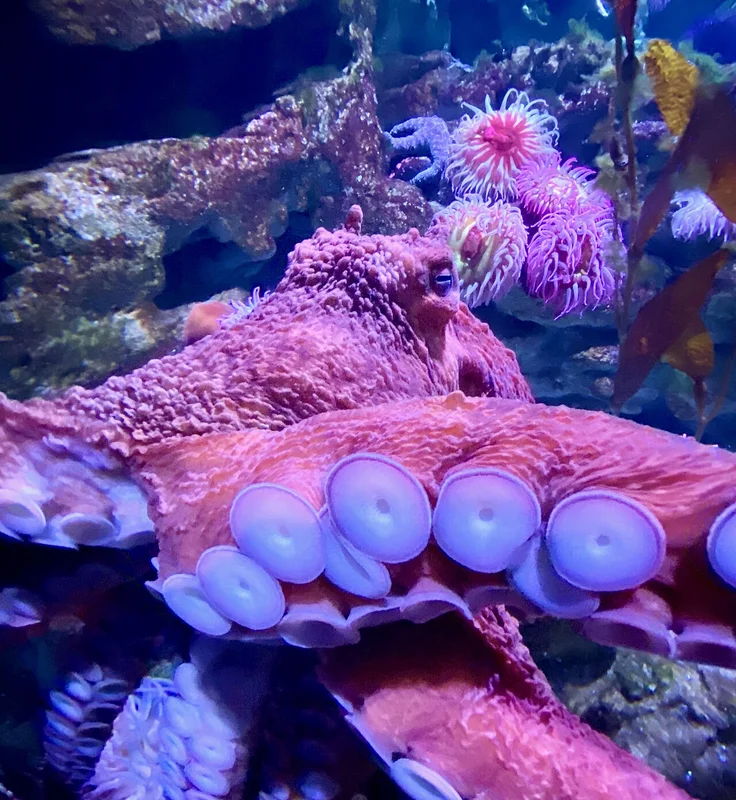
In 2012, a group of prominent neuroscientists gathered at the University of Cambridge and signed a document that would have been controversial a generation earlier. The Cambridge Declaration on Consciousness stated, plainly, that non-human animals possess the neurological substrates that generate consciousness. Mammals, birds, and many other creatures, including octopuses, were named explicitly. Their statement…

The Neuroscience of Self-Awareness: How the Brain Builds a Self
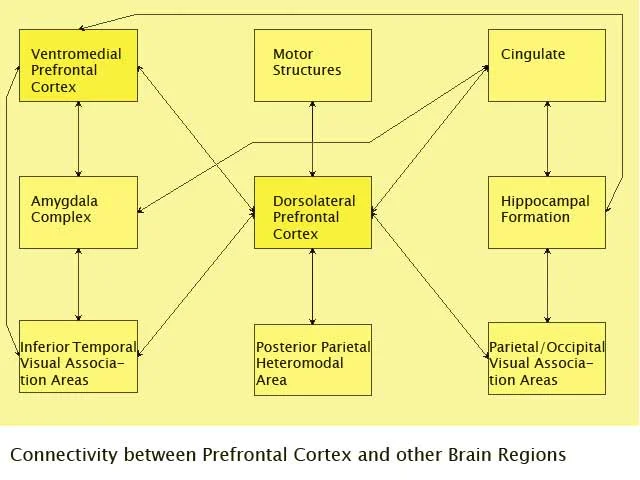
Most animals respond to the world. Self-awareness, the capacity to know that there is a self doing the responding, marks one of the deepest divides in biology. The gap between these two things, between processing and knowing that you are the one processing, is a central mystery. Neuroscience has begun to map the brain systems…