

Latest Articles
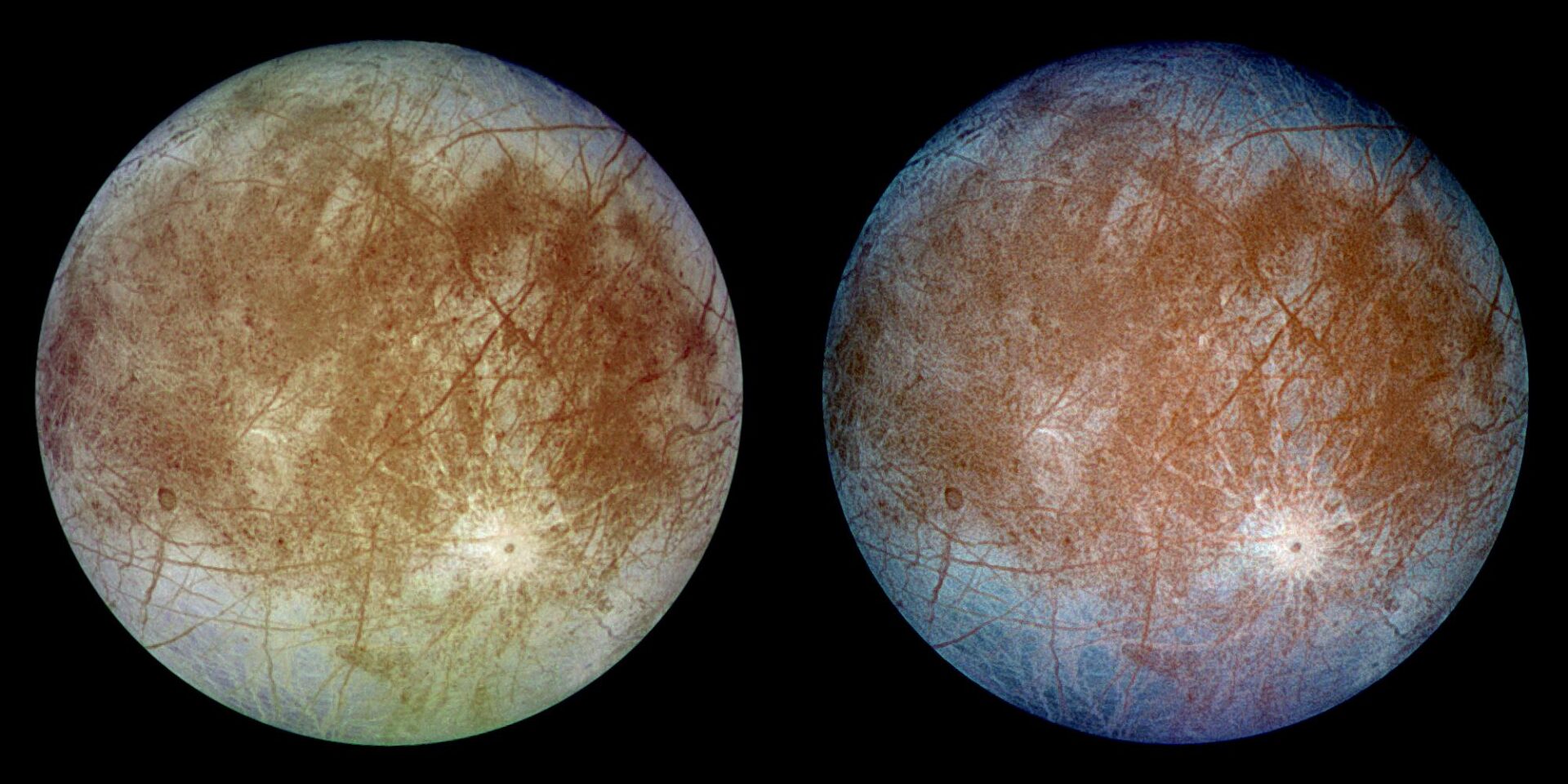
Beyond the Habitable Zone: Ocean Worlds and the New Search for Life
Beyond the Habitable Zone: Ocean Worlds and the New Search for Life For decades, the search for life beyond the habitable zone and extraterrestrial life has been guided by a single, elegant idea: look for planets in the habitable zone. This region around a star, often called the Goldilocks zone, marks the narrow orbital band…

Biosignatures vs Technosignatures: What Each Reveals in the Search for Life
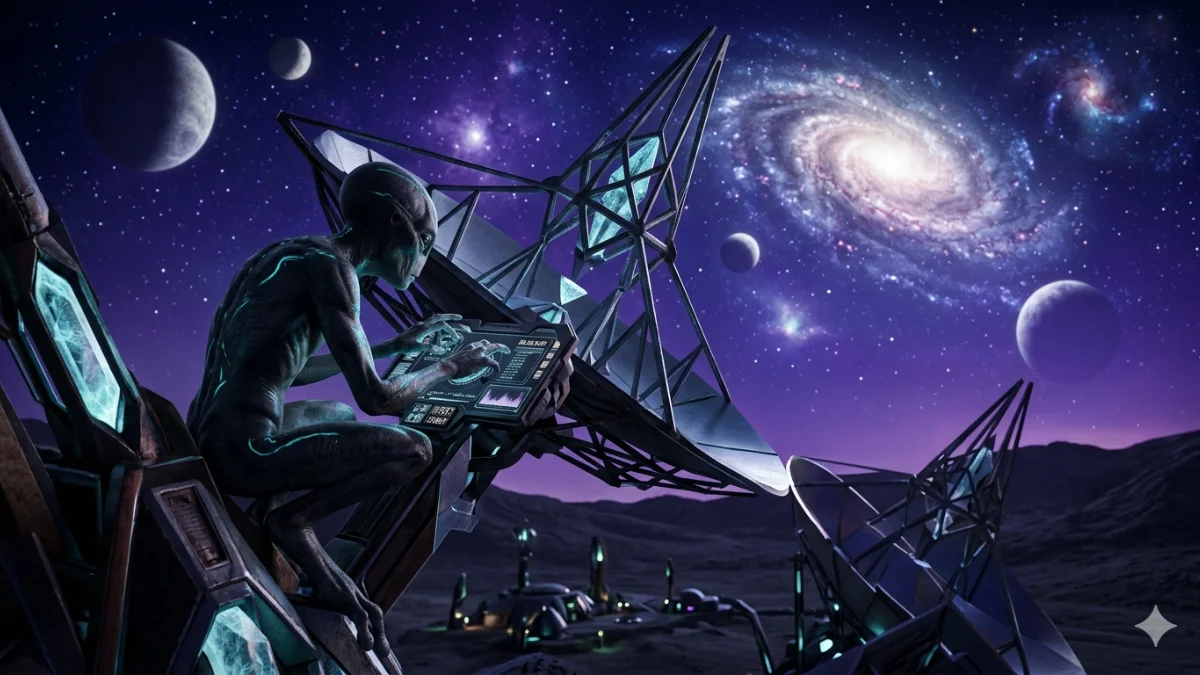
A telescope aimed at a distant star may reveal faint chemical signs of life on a planet or waste heat from an artificial structure surrounding an alien sun. In the modern search for life beyond Earth, the debate over biosignatures vs technosignatures defines how scientists approach the discovery of extraterrestrial biology and advanced civilizations. These…

How Far is the Cosmic Event Horizon? The Current Distance in Light Years
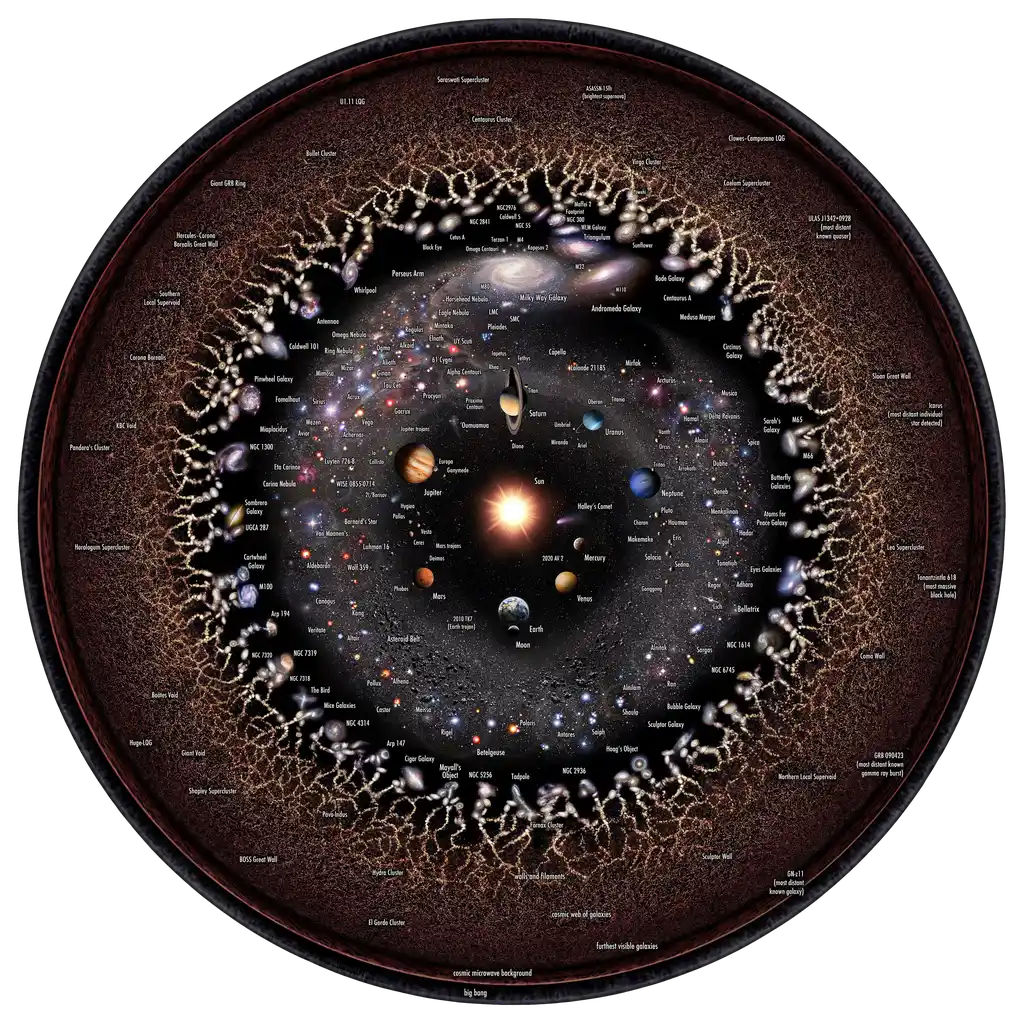
How the edges of the observable universe define, limit, and shape our understanding of the cosmos What Is the Cosmic Horizon? When you stand at the ocean’s edge and gaze toward the distant line where sky meets water, you are looking at a horizon, a boundary set not by a physical wall, but by the…
The Cambrian Explosion: When Life Learned to Draw Edges
Around 541 million years ago, something extraordinary happened. In what amounts to a geological blink of an eye, animal life diversified into forms so strange and inventive that, even today, they look like science fiction. Within roughly 20 million years, the oceans filled with trilobites, armored worms, the first large predators, and the earliest ancestors…
False Biosignatures: When Planets Mimic the Signs of Life
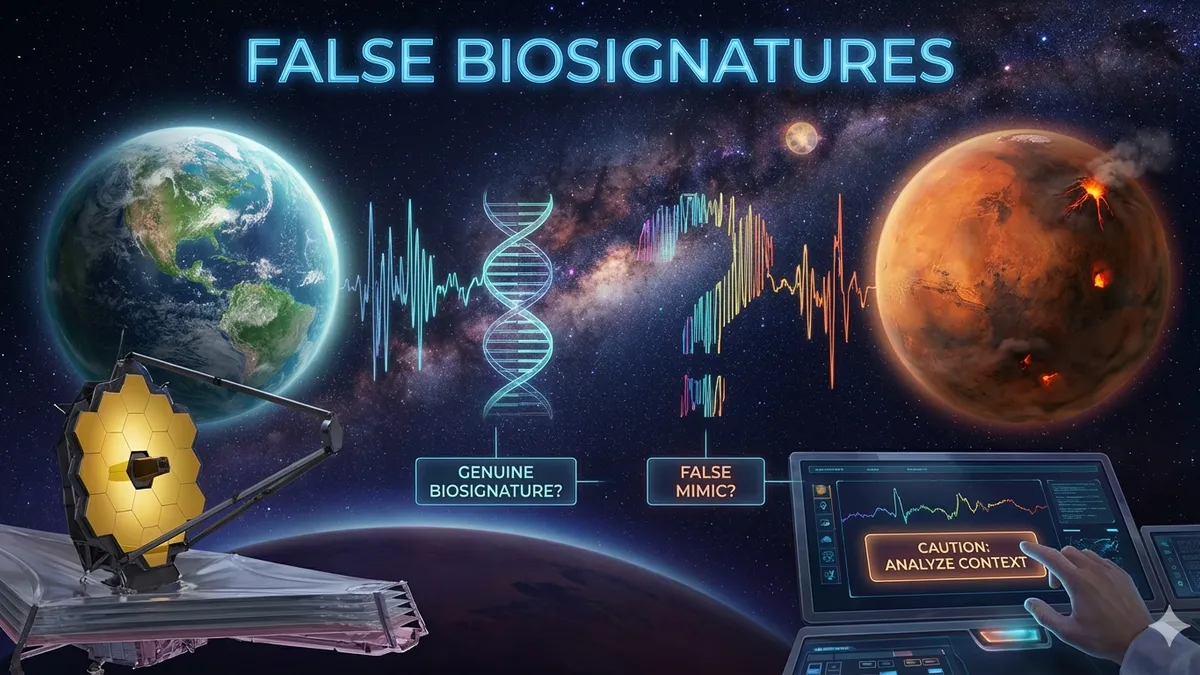
The search for life beyond Earth has entered a transformative era. Powerful observatories such as the James Webb Space Telescope (JWST) are now capable of performing JWST studies of exoplanet atmospheres, revealing the chemical fingerprints of worlds orbiting stars many light-years away. One of the central goals of this research is to identify alien biosignatures,…

Emergence: How Complexity Arises from Simple Rules
One of the most persistent questions in science is not about the smallest things or the largest ones. It is about the middle. It asks how collections of simple components, each obeying basic physical rules, can produce behavior that looks purposeful, adaptive, or even aware. This phenomenon is known as emergence, and it sits at…