

Latest Articles
The Carbonate-Silicate Cycle: Earth’s Natural Thermostat
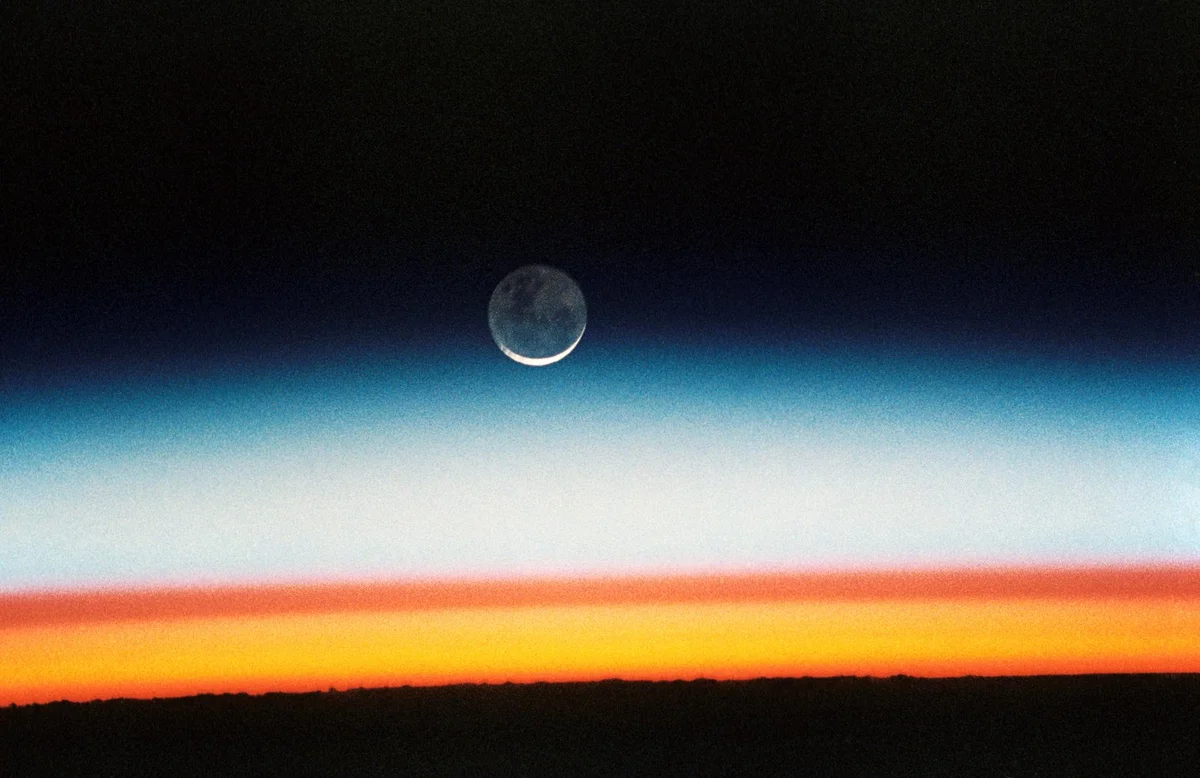
The calcium carbonate cycle as a planetary thermostat is a geologic feedback loop that has maintained Earth’s surface temperature within a habitable range for billions of years, acting as a slow but powerful regulator of atmospheric carbon dioxide (CO₂) levels and global climate. Unlike the rapid temperature swings driven by volcanic eruptions or orbital changes,…

Bayesian Reasoning: How Scientists Think About Probability
Every day, scientists face the same fundamental challenge: the evidence is never perfect, the measurements are always noisy, and the answer is never fully certain. How do you decide what to believe when certainty is off the table? For most of the 20th century, science answered this question with a statistical framework called frequentism: probability…

Integrated Information Theory: Is Consciousness Just a Number?
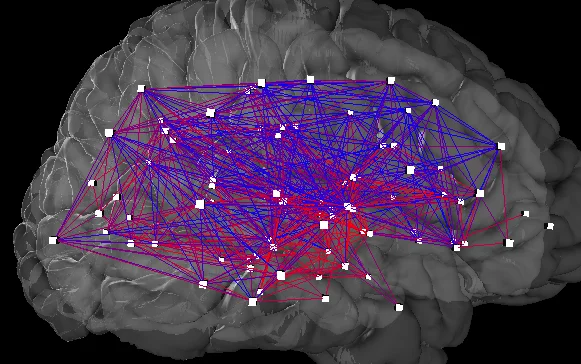
Imagine a patient in a vegetative state, unresponsive for months. Her eyes open, she breathes, but no command, no stimulus, elicits recognition. Then, using a technique derived from Integrated Information Theory, doctors find a subtle signature of complex electrical activity in her posterior cortex. She is later shown to have fragments of awareness. What these…

Biological Constraints on the Evolution of Intelligence
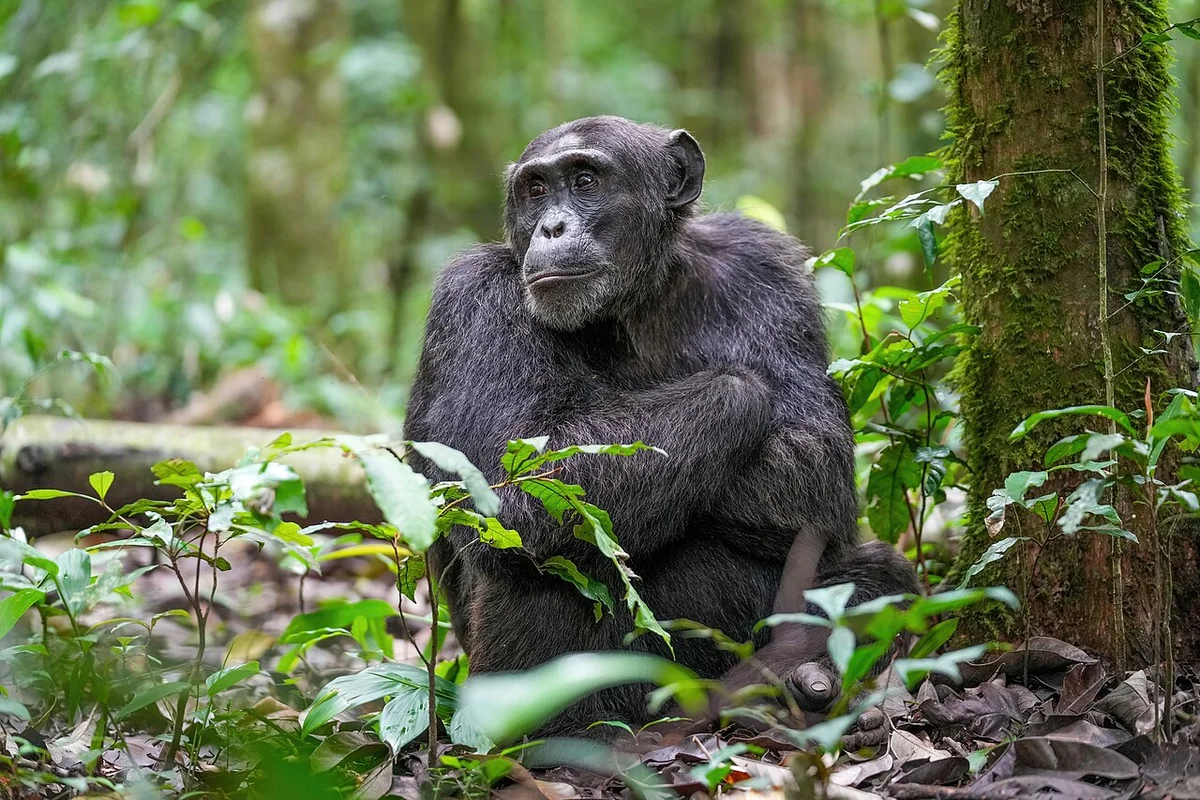
The study of intelligence, whether on Earth or beyond, is fundamentally shaped by biological constraints on intelligence that limit how complex a brain can become. These constraints, rooted in energetic trade-offs and physical scaling laws, suggest that the evolution of intelligence may be far rarer in the universe than optimists presume. This article examines peer-reviewed…

Psychedelics and Consciousness: What Brain Science Has Learned
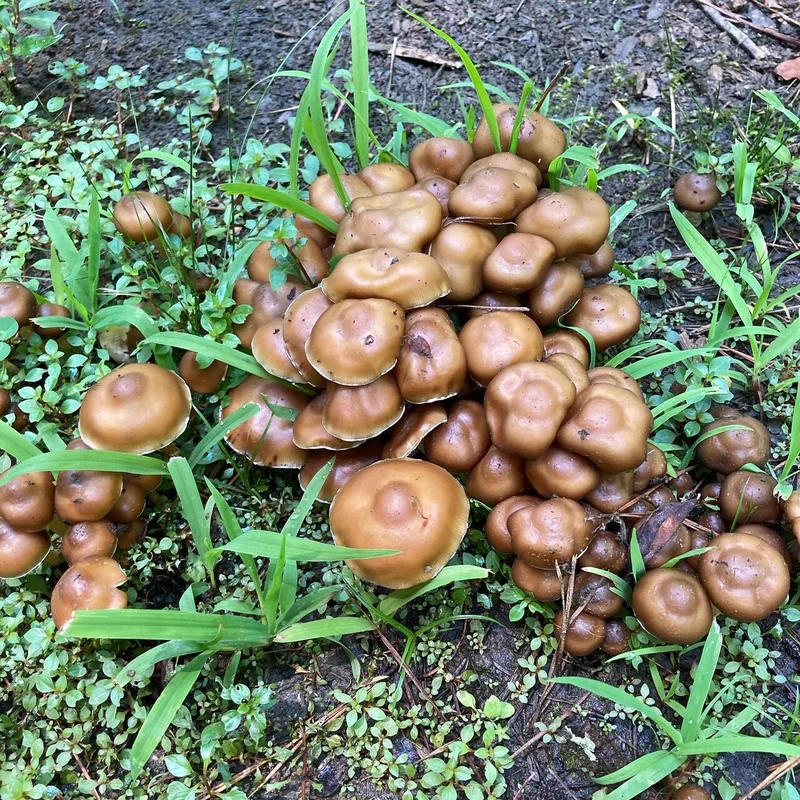
For most of the 20th century, psychedelic compounds were effectively off-limits to science. Schedules and stigma made research nearly impossible. The pharmacology was known; what these compounds did in the brain was not. Today, research on psychedelics and consciousness is booming. That changed. Beginning in the early 2000s, a handful of research groups, at Imperial…
Entropy and Thermodynamics: Why Things Always Get More Disordered
Drop a cup of hot coffee on a table. It will cool until it reaches room temperature. Pour cream into black coffee. It will mix. Shatter a glass. The pieces won’t reassemble. Burn a log. The ash won’t reconstitute itself into wood. All of these are expressions of the same fundamental law: the second law…