

Latest Articles

Hydrothermal Vents and the Origin of Life: Why Alkaline Vents Are Strong Candidates for Abiogenesis
The abiogenesis hydrothermal vents theory proposes that life on Earth began not in a warm little pond, but in the deep, dark cracks of the ocean floor where chemical gradients mimic the mechanisms of cellular energy production. This hypothesis has gained substantial traction over the past two decades, particularly through the work of geochemist Michael…

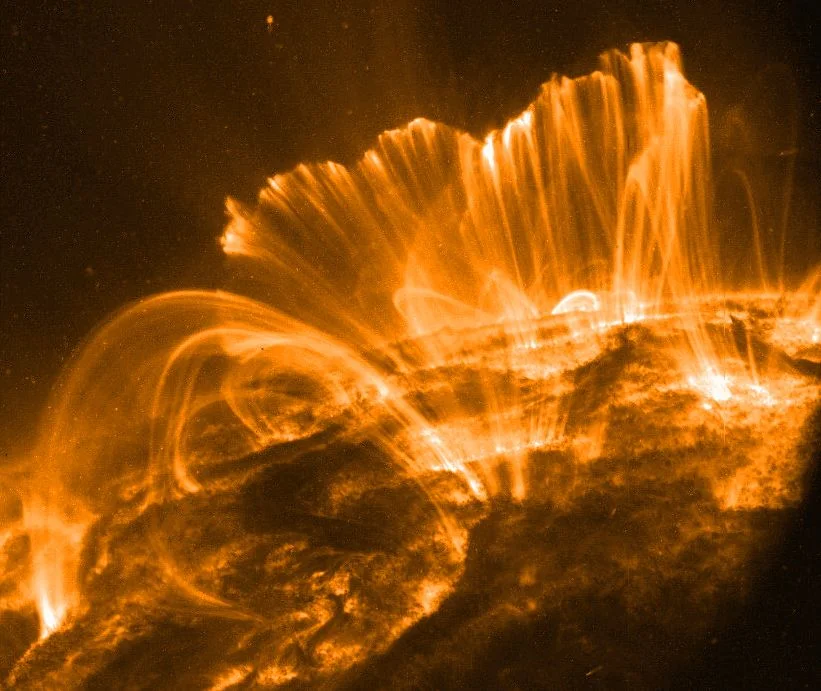
How Solar Flares Form and Their Effect on Earth
Solar flares are among the most powerful explosions in the solar system. They release energy equivalent to millions of hydrogen bombs detonating simultaneously. These events are not just astronomical curiosities. They have direct and measurable consequences for Earth’s technology, infrastructure, and environment. Understanding how do solar flares affect Earth requires a clear grasp of their…

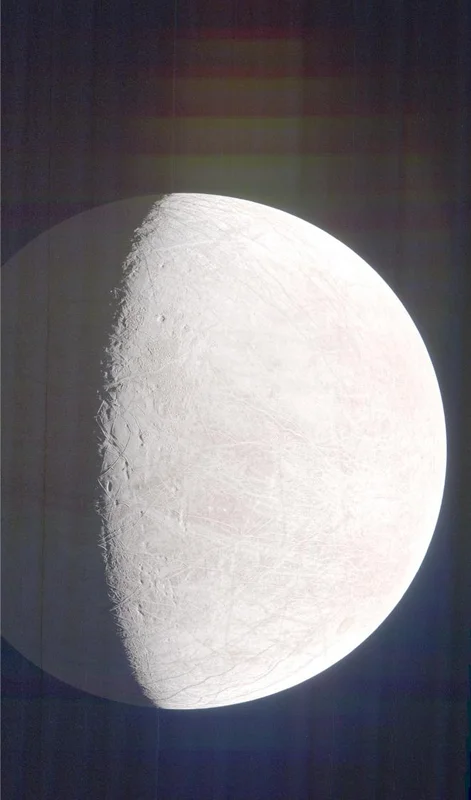
Inside Ocean Worlds: How Internal Structures Affect Habitability on Icy Moons
The relationship between ocean world interior structure habitability is one of the most compelling questions in modern planetary science, as it determines whether subsurface oceans can remain liquid long enough for the chemistry of life to emerge. Beneath the icy crusts of moons like Europa and Enceladus, vast saltwater oceans exist not because of sunlight,…

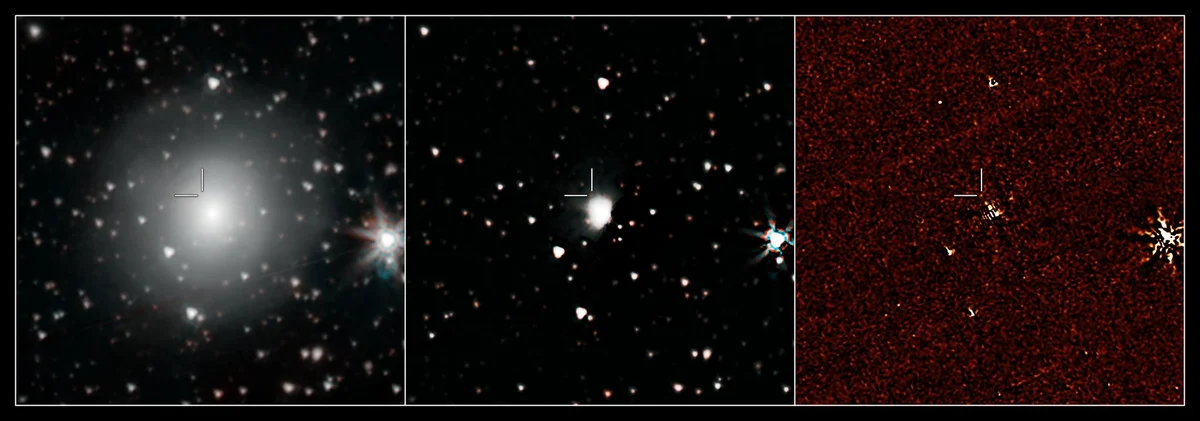
GW170817: The First Observed Neutron Star Merger and What It Revealed
The gravitational wave event GW170817 represents a watershed moment in modern astrophysics, marking the first time humanity observed a neutron star merger through both gravitational waves and electromagnetic radiation. Detected on August 17, 2017, by the Laser Interferometer Gravitational-Wave Observatory (LIGO) and the Virgo interferometer, this cataclysmic collision of two neutron stars not only confirmed…

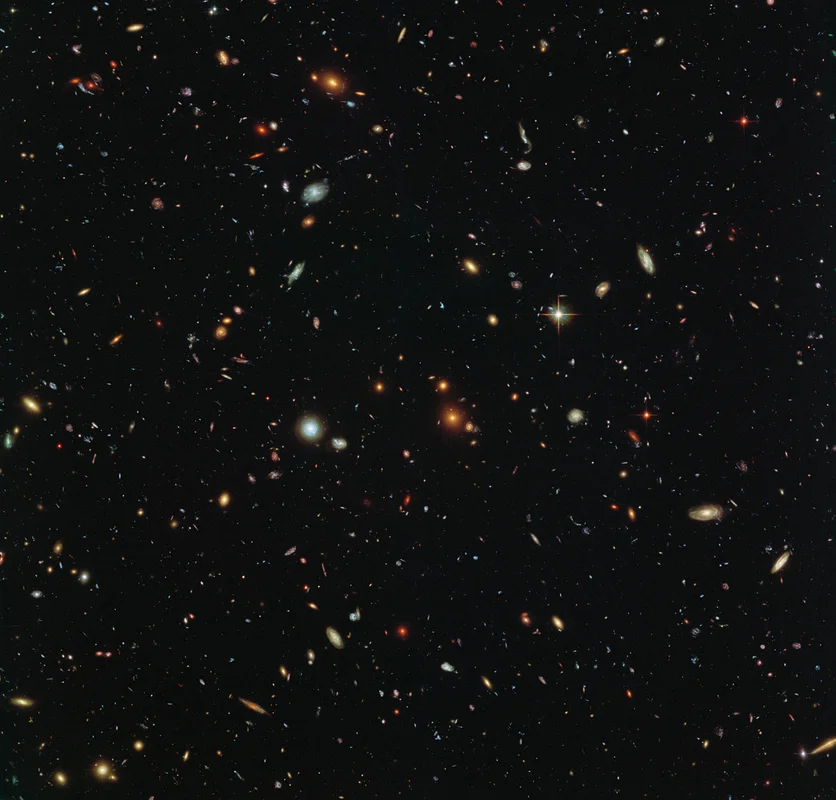
The Cosmic Distance Ladder: How We Measure the Universe
The cosmic distance ladder is a chain of methods, each calibrated against closer measurements, that together span the observable universe, from nearby planets to the most distant quasars. Astronomers use this interconnected system to determine cosmic distances with remarkable precision, often to within a few percent. The universe is incomprehensibly large. The nearest star is…

The Anthropic Principle: Why Observations of the Universe Require Our Existence
Why does the universe appear so finely tuned for life? This question has puzzled scientists, philosophers, and theologians for decades. One of the most intriguing frameworks for addressing it is the anthropic principle explained simply: the observation that the universe must be compatible with the conscious beings that observe it. If the laws of physics…