

Latest Articles
Dark Matter Candidates: What Could Dark Matter Actually Be?
Something invisible holds galaxies together. Identifying the dark matter candidates behind it is one of physics’ biggest goals. We can’t see it, can’t touch it, and can’t detect it with any conventional instrument. But we know it’s there because its gravity shapes everything we can observe: the rotation curves of galaxies, the bending of light…

What Is Time? The Physics and Philosophy of Our Strangest Dimension
Key takeaway: Time is a dimension we experience through the relentless increase of entropy and the expansion of spacetime, yet its ultimate nature remains one of science’s deepest mysteries. Yet what is time at its core still eludes us. You are moving through it right now, at the same rate as everyone else on Earth,…

How Planets Form: From Dust to Worlds
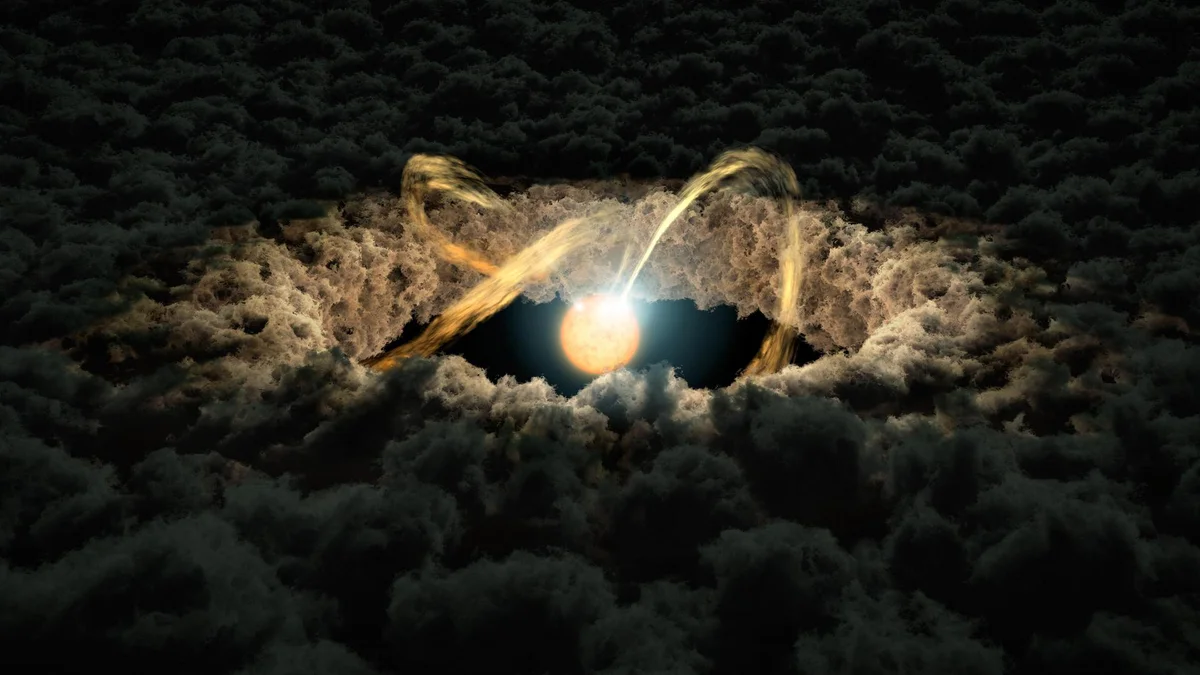
Every rocky mountain, every ocean, every atom in your body was once a grain of dust floating in a cold disk around a young star. Over millions of years, gravity, chemistry, and the physics of collisions transformed those grains into pebbles, boulders, and eventually planets massive enough to hold atmospheres. This is how planets form:…

Abiogenesis: How Chemistry Became Life
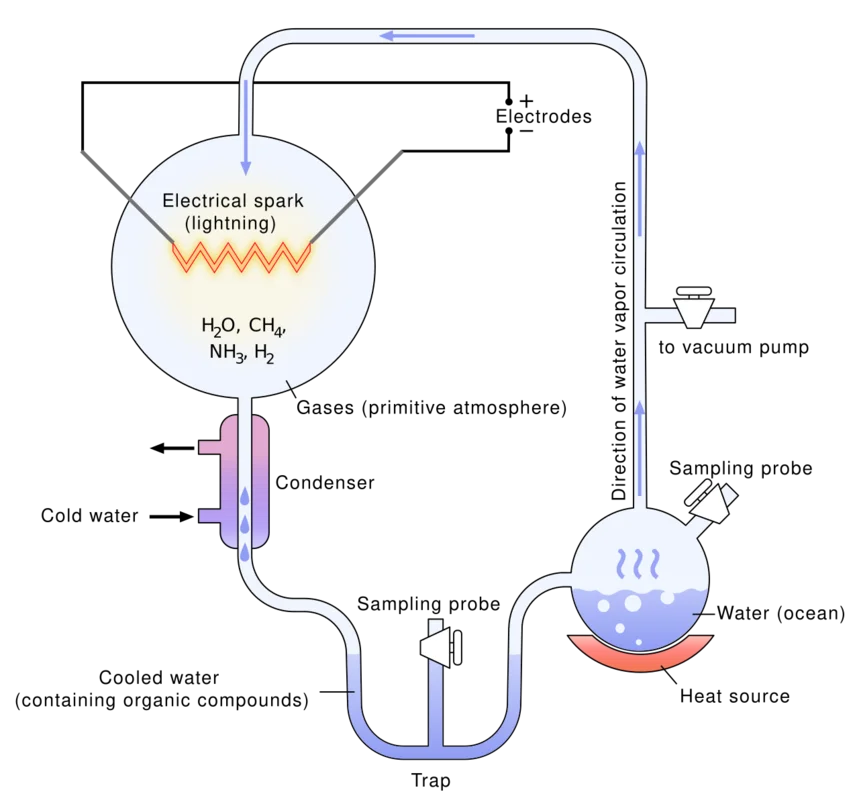
Abiogenesis is the process by which life arises from non-living matter, a puzzle that begins with simple molecules and ends with self-replicating cells. Four billion years ago, Earth was a hostile place: the surface was bombarded by asteroids, the atmosphere contained no free oxygen, and the oceans were hot and acidic. There was no life…

Why Does Matter Exist? The Mystery of Baryogenesis
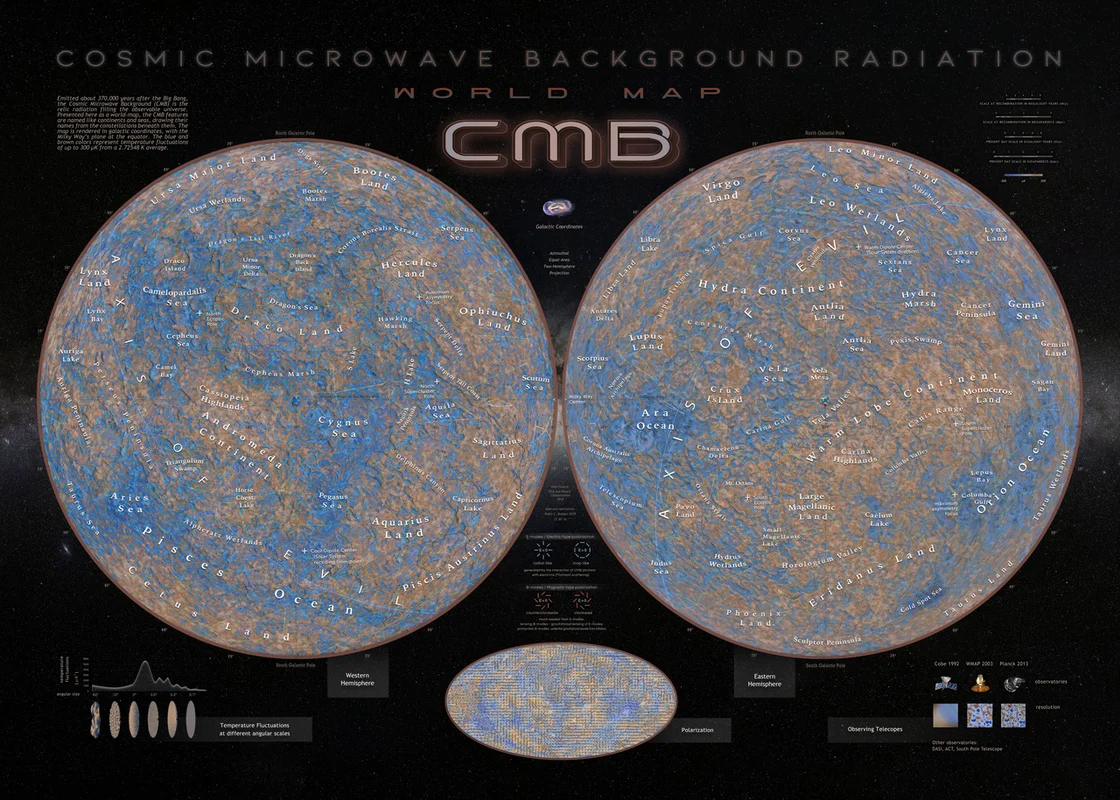
The observable universe is made almost entirely of matter. Stars, planets, galaxies, and every living organism consist of protons, neutrons, and electrons. Antimatter, the mirror opposite of matter, is exceedingly rare. But this fact presents a deep puzzle. The Big Bang should have produced equal amounts of matter and antimatter. According to the laws of…

Mirror Neurons: The Cells That Let Us Feel What Others Feel
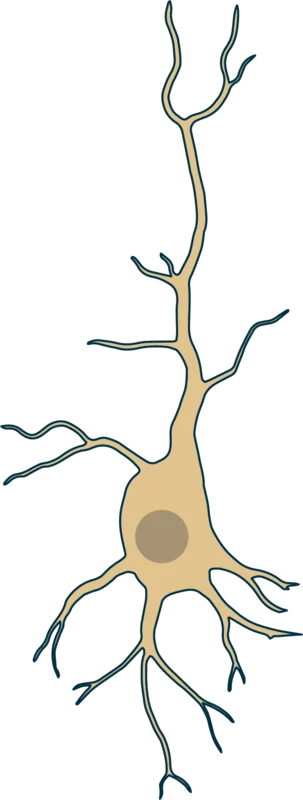
The human brain contains billions of neurons that communicate through electrical and chemical signals. Among these cells, a specific class called mirror neurons has attracted extraordinary attention from scientists and the public alike. First discovered in the early 1990s, these neurons fire both when an individual performs an action and when they observe someone else…