

Latest Articles
The Great Oxidation Event: How Cyanobacteria Transformed Earth’s Atmosphere
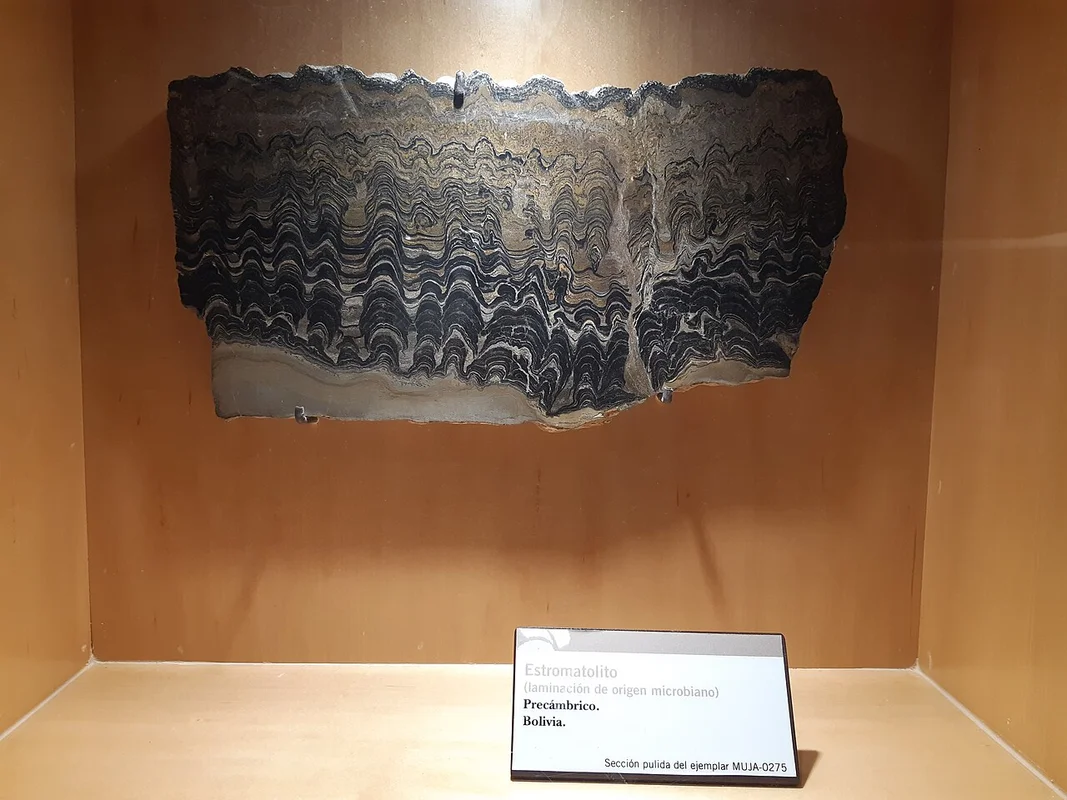
Understanding the great oxidation event causes and effects requires examining microbial metabolism, geological feedback loops, and the long-term reshaping of Earth’s surface environment. Around 2.4 billion years ago, Earth underwent a dramatic and irreversible shift. The atmosphere, once rich in methane and nearly devoid of free oxygen, suddenly began to accumulate O₂. This transition, known…

Magnetic Fields and Habitability: Why a Planetary Dynamo May Shield Alien Life
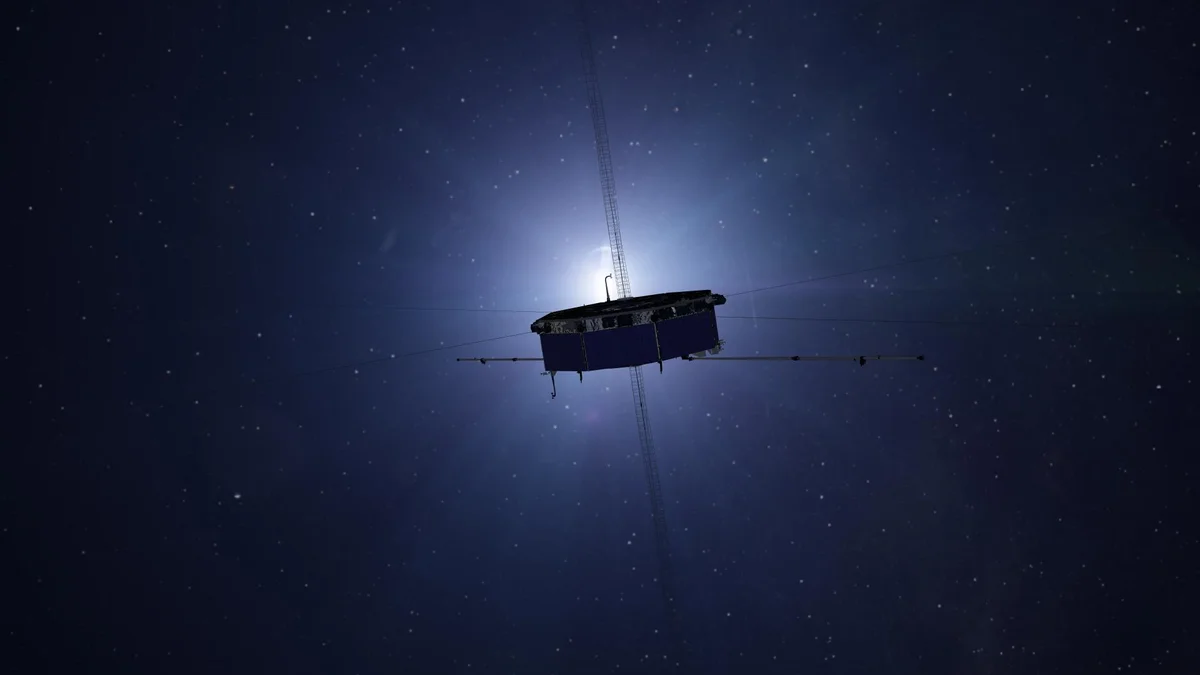
A planet’s magnetic field is a critical, often overlooked factor in magnetic field planet habitability. Without this invisible shield, an atmosphere can be stripped away by its host star, and surface life would face lethal levels of radiation. Earth’s robust magnetic field has protected our biosphere for billions of years. Mars, which lost its global…

Solstices and Equinoxes: The Astronomical Basis of Seasons
The solstice and equinox explained astronomically reveals that Earth’s seasons are not caused by variations in our planet’s distance from the Sun, but by the 23.44-degree tilt of its rotational axis relative to its orbital plane. This axial tilt, or obliquity, is the fundamental driver of seasonal climate changes, and understanding the precise mechanics of…

What Triggered the Cambrian Explosion? The Biggest Evolutionary Mystery
So what triggered the Cambrian explosion? Around 538 million years ago, something extraordinary happened. In the space of perhaps 20 million years, an eye-blink in geological time, the fossil record fills with an astonishing variety of complex animals: trilobites with compound eyes, armored predators up to a meter long, animals with five eyes and a…

When Did Life Learn to Capture Sunlight? The Evolution of Photosynthesis
Sunlight powers almost every living thing on Earth. But the ability to capture solar energy and convert it into food did not appear overnight. It took billions of years of evolutionary trial and error. The evolution of photosynthesis timeline stretches from simple bacteria in ancient seas to the complex leaves that cover our planet today.…

Why Do We Sleep? The Evolutionary Purpose of an Inescapable Behavior
Sleep occupies roughly one-third of human life. Every animal studied, from fruit flies to blue whales, sleeps or enters a sleep-like state. Despite this universality, scientists still debate a deceptively simple question: why do we sleep? Answering why do we sleep means probing one of biology’s most compelling puzzles: the deepest functions that natural selection…