

Latest Articles
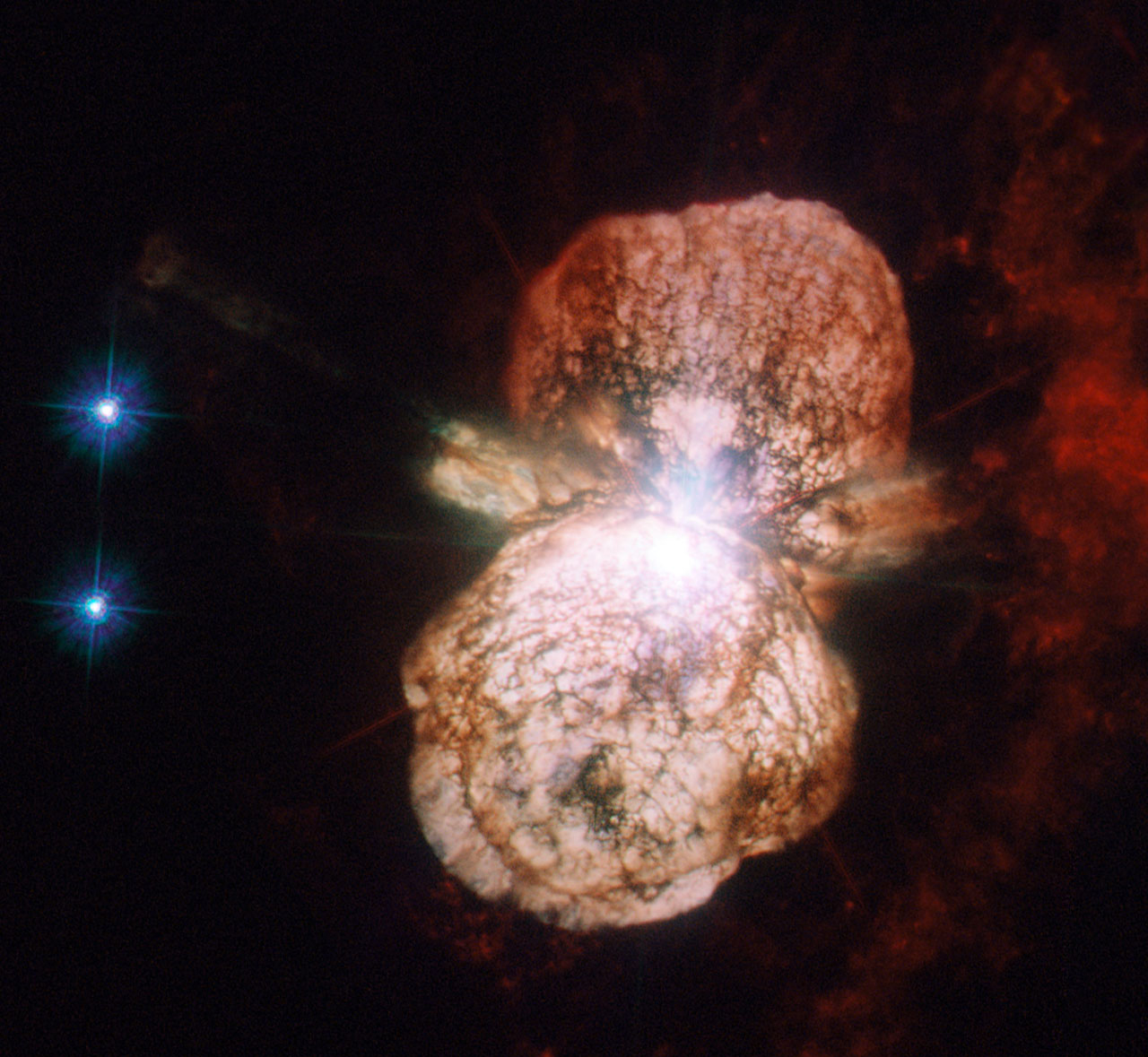
How Supernovas Work: The Deaths and Afterlives of Stars
For a few weeks, a single star can outshine an entire galaxy of 200 billion stars. This is a supernova: the most energetic explosion in the observable universe, a stellar death so violent it briefly rivals the combined light output of 10 billion suns. Supernovas are not just spectacular. They are essential. Every atom of…

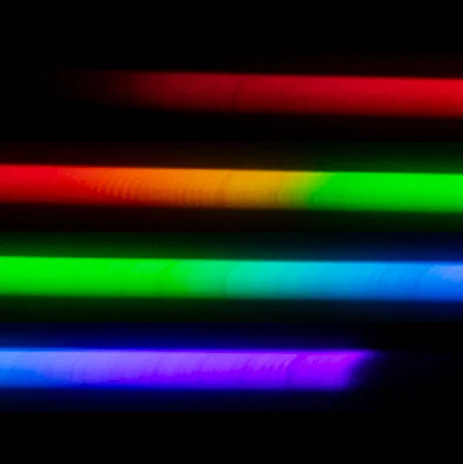
How We Know What Stars Are Made Of: The Science of Stellar Spectroscopy
In 1835, the French philosopher Auguste Comte made a confident claim about the limits of human knowledge. Stars, he said, are forever beyond our reach. We can measure their distances and movements, but one thing we can never know: “the true nature of the fixed stars, their chemical composition or even their density is for…

How Peer Review Works: Science’s Quality Control System
Before a scientific finding becomes part of the published record, it must survive scrutiny from other experts in the field. This process, peer review, is the cornerstone of scientific quality control. It is also widely misunderstood, frequently criticized, and currently being reimagined. This is how peer review works. Understanding how peer review actually works, and…

How Stars Are Born: From Nebula to Nuclear Fire
Every star you see in the night sky was once a cold, dark cloud of gas drifting through space. Over millions of years, gravity pulled that cloud together, compressed it, heated it, until the temperature and pressure at the center reached a critical threshold, and nuclear fusion ignited. This is how stars are born. Understanding…

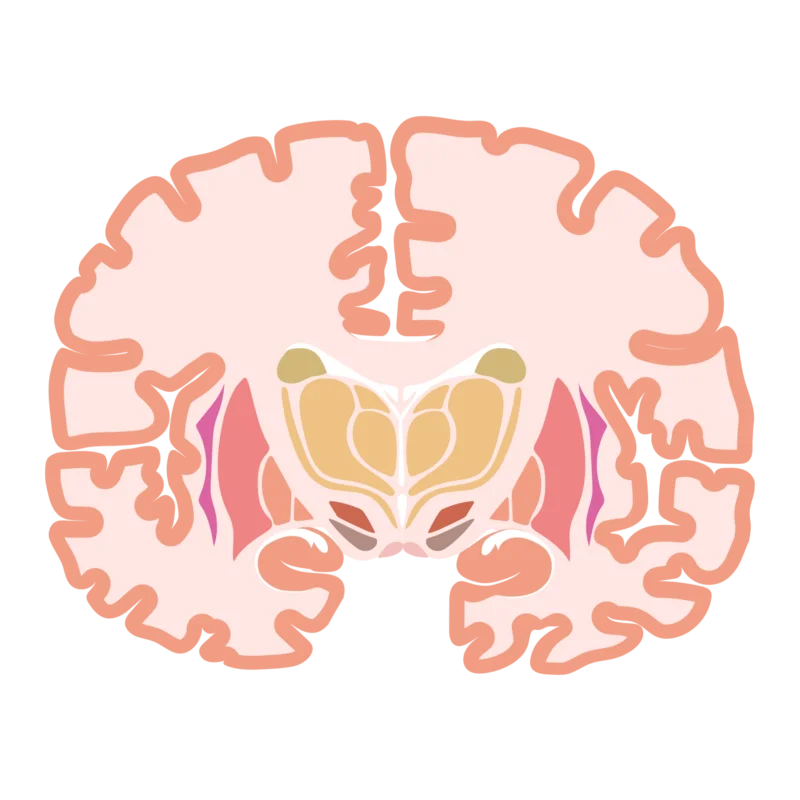
The Neuroscience of Memory: How the Brain Stores and Retrieves the Past
Memory is not a single system but a collection of brain processes, declarative, procedural, emotional, and spatial, that encode, store, and retrieve information via distinct neural circuits and molecular mechanisms. You remember your first day of school. You know how to ride a bicycle. You recall, for some reason, that the capital of France is…

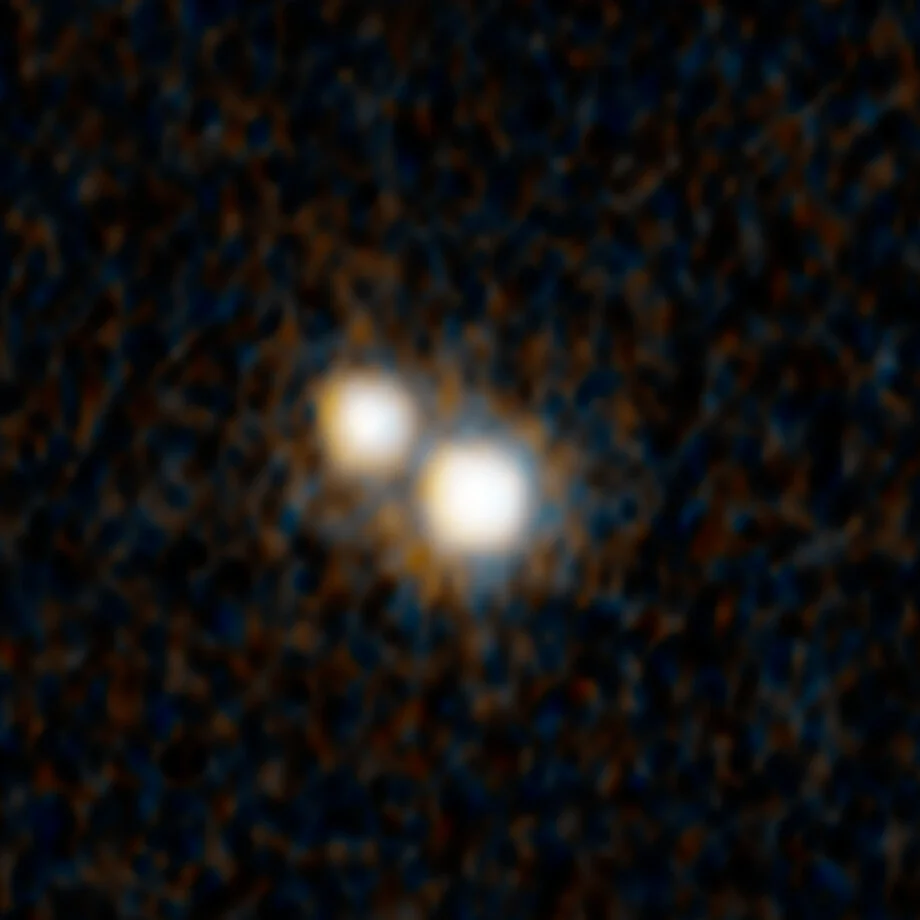
How Galaxies Form: From the Big Bang to the Milky Way
Look up on a clear, dark night and the Milky Way arches overhead: 200–400 billion stars, bound together by gravity into a structure 100,000 light-years across, slowly rotating through the universe. Below it, through a telescope, lie billions more galaxies, each an island universe of stars. Understanding how galaxies form means tracing this structure back…