



Latest Articles
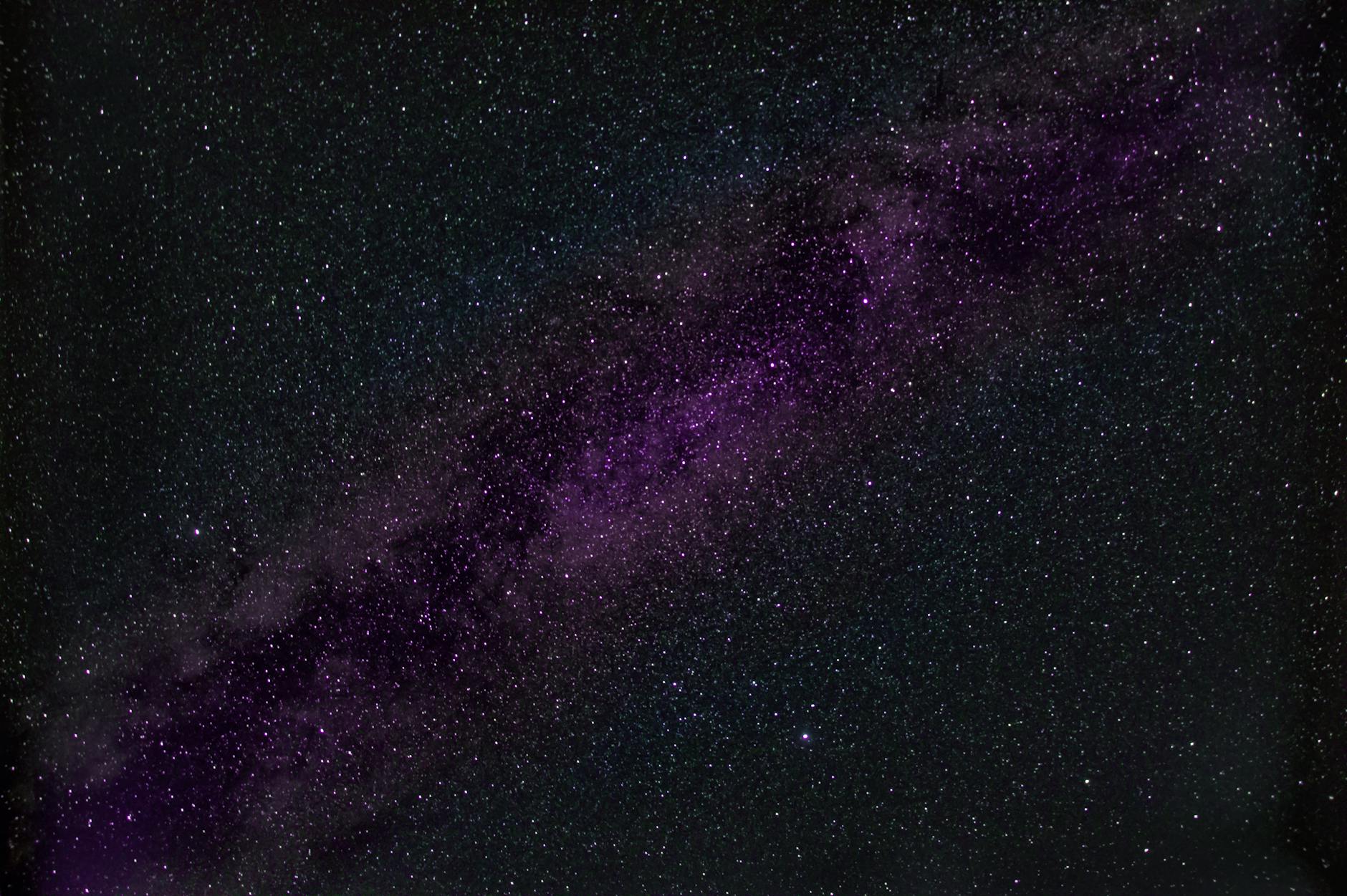
The Milky Way Galaxy Explained: Our Home in the Universe
On a clear night far from city lights, the faint band of light stretching across the sky is our view from inside a spiral galaxy. The Milky Way galaxy, the galaxy that contains our solar system, every star visible to the naked eye, and an estimated 100–400 billion stars in total, is a barred spiral…

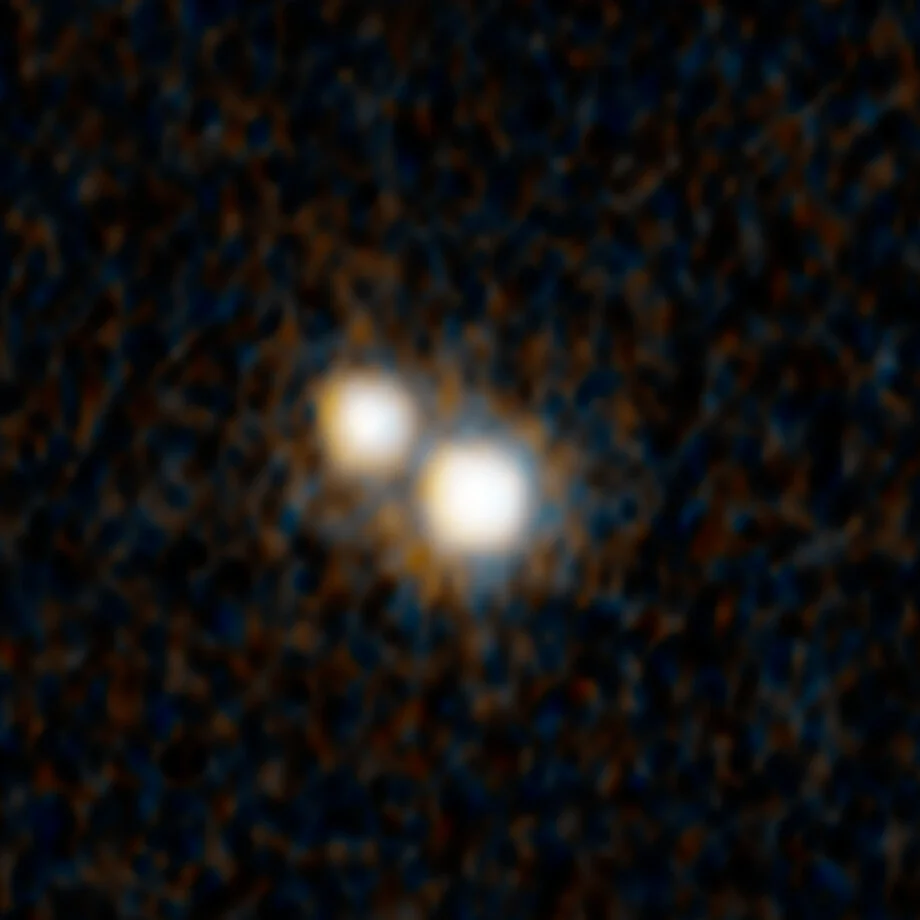
White Dwarf Stars: The Stellar Remnants That Outlast Everything
When a star like our Sun exhausts its fuel, it does not go out with a bang. It sheds its outer layers as a colorful planetary nebula, and what remains is something extraordinary: a white dwarf star, a stellar corpse the size of Earth but with a mass comparable to the Sun, radiating heat as…

Magnetars: The Most Magnetic Objects in the Known Universe
Imagine an object the size of a city with the mass of the Sun, spinning several times per second, wrapped in a magnetic field a million billion times stronger than a refrigerator magnet. At the surface, the magnetic field would be strong enough to distort the electron clouds around atoms, fundamentally changing the chemistry of…

Panspermia: Could Life Have Traveled Between the Stars?
Life on Earth arose roughly 3.5 to 4 billion years ago, perhaps within a few hundred million years of the planet becoming habitable. That is fast. Geologically, almost suspiciously fast. And that speed has prompted a persistent and scientifically serious question: did life originate here, or did the seeds of life arrive from somewhere else?…

The RNA World Hypothesis: How Life May Have Started
The origin of life is one of the most profound unsolved problems in science. How did chemistry become biology? How did non-living molecules begin to copy themselves, evolve, and eventually build the complex molecular machinery of even the simplest cell? One of the most compelling current frameworks for answering that question is the RNA World…

The Great Filter: Why the Universe May Be Silent
The universe is roughly 13.8 billion years old. It contains at least 200 billion galaxies, each with hundreds of billions of stars. Many of those stars have planets. Some of those planets orbit in habitable zones. The raw ingredients for life, carbon, hydrogen, oxygen, nitrogen, phosphorus, sulfur, are among the most abundant elements in the…


