

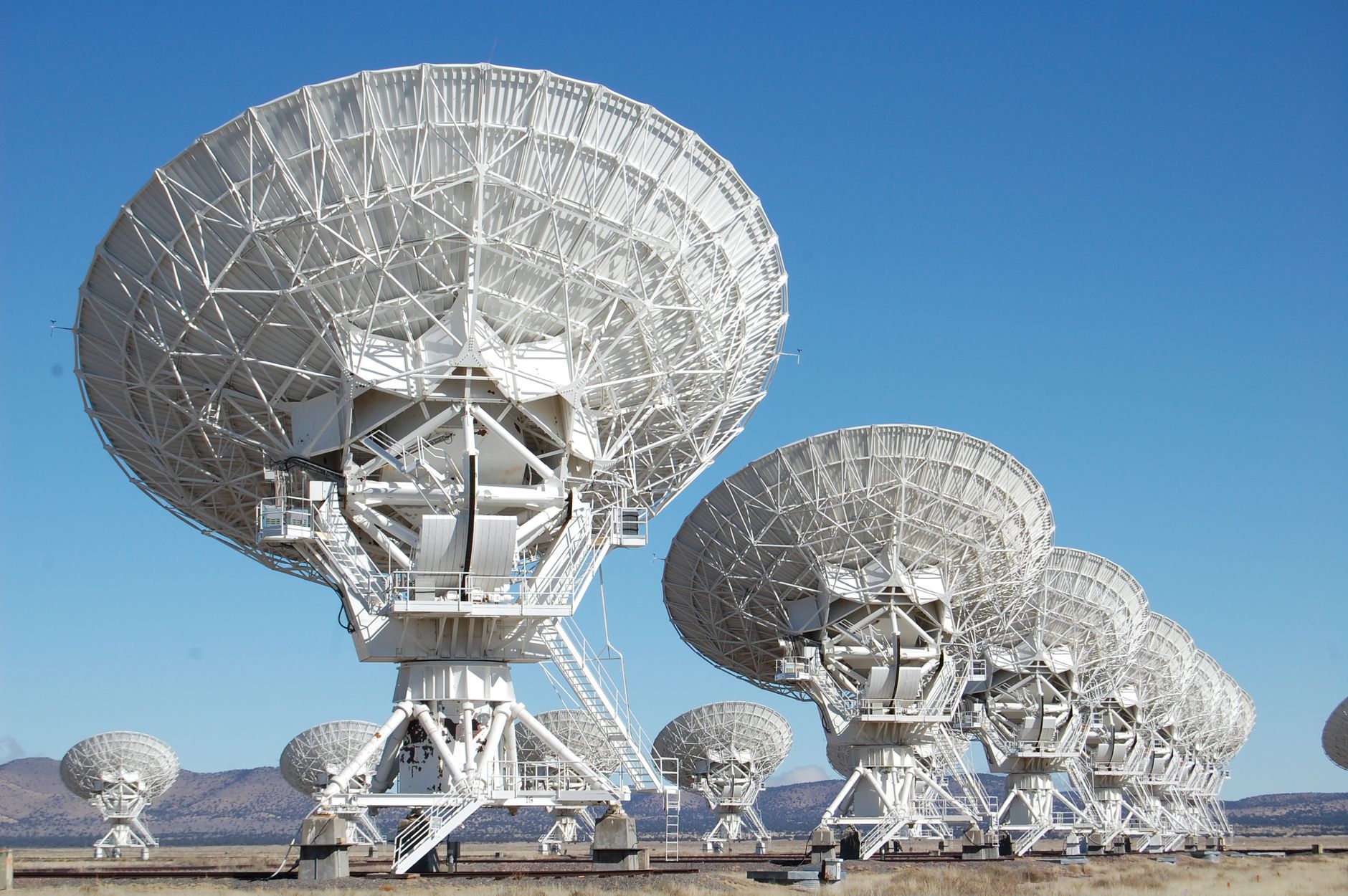
A telescope aimed at a distant star may reveal faint chemical signs of life on a planet or waste heat from an artificial structure surrounding an alien sun. In the modern search for life beyond Earth, the debate over biosignatures vs technosignatures defines how scientists approach the discovery of extraterrestrial biology and advanced civilizations.
These two distinct strategies guide our exploration of the cosmos. Scientists look for biosignatures, chemical traces produced by organisms, or technosignatures, evidence of advanced technology.
Thanks to observatories such as the James Webb Space Telescope (JWST) and upcoming missions designed to analyze distant worlds, researchers are closer than ever to detecting these subtle clues. The relationship between biosignatures vs technosignatures forms the foundation of one of humanity’s most enduring scientific questions: Are we alone in the universe?

What Are Biosignatures?
After reviewing the methods used in the search for life, it is important to clearly define the concept of biosignatures.
Biosignatures are measurable indicators that life may exist, or may once have existed, on a planet. These signals typically arise when living organisms alter their environment in ways that can be detected across interstellar distances.
On Earth, life has dramatically reshaped the atmosphere. Oxygen, for example, makes up about 21 percent of our atmosphere because photosynthetic organisms continuously release it. Without life, oxygen would quickly react with other elements and disappear.
Because of this, astronomers search for atmospheric combinations that would be difficult to maintain without biological activity.
Some of the most promising biosignature gases include:
Oxygen and methane together. These gases react with one another and should not coexist in large quantities unless something continually replenishes them.
Ozone layers. Ozone forms when oxygen molecules interact with ultraviolet radiation. A planet wrapped in a protective ozone layer could hint at oxygen-producing life below.
Methane spikes. Methane can be produced biologically by microorganisms known as methanogens.
Scientists detect these molecules through spectroscopy, a technique that measures how light from a star passes through a planet’s atmosphere. Each gas absorbs light at specific wavelengths, leaving recognizable chemical fingerprints in the spectrum.
However, biosignatures are rarely straightforward. Many chemicals associated with life can also form through nonbiological processes, such as volcanic activity, sunlight-driven chemical reactions, or interactions between rock and water. These misleading signals are known as false positives, and distinguishing them from genuine biological activity remains one of the biggest challenges in astrobiology.

What Are Technosignatures?
Having explored biosignatures, scientists also search for signs of advanced civilizations, known as technosignatures. While biosignatures suggest the presence of simple life, technosignatures point toward civilizations capable of producing technology.
Technosignatures may appear as signals, environmental alterations, or massive engineering projects visible across interstellar distances.
One of the earliest strategies for detecting technosignatures involves radio astronomy. Programs such as the Search for Extraterrestrial Intelligence (SETI) scan the sky for narrow-band radio signals that appear artificial. Natural astrophysical processes rarely produce such highly structured transmissions.
Laser emissions represent another potential technosignature. Advanced civilizations might use powerful lasers for communication or propulsion, producing detectable flashes of coherent light.
Scientists have also proposed searching for evidence of astroengineering structures, such as Dyson spheres or Dyson swarms. These hypothetical megastructures would surround a star to capture enormous amounts of energy. If they existed, they might produce unusual infrared signatures as they radiate waste heat into space.

Unconventional Technosignatures
In recent years, researchers have begun exploring more creative ways to detect alien technology beyond traditional radio signals.
One idea involves identifying industrial pollution in exoplanet atmospheres. Certain synthetic chemicals, such as chlorofluorocarbons (CFCs), have no known natural source in large quantities. Their detection could indicate industrial activity on a distant world.
Another possibility is the detection of planetary night-side illumination. A highly urbanized civilization might produce artificial light visible when a planet passes in front of its star.
Some researchers have also suggested the possibility of space archaeology. Large satellites or megastructures orbiting other planets might reveal the presence of long-extinct civilizations that once inhabited those worlds.
These examples highlight the creativity within technosignature research. Scientists are increasingly searching for multiple independent indicators of technology, rather than relying on a single signal.
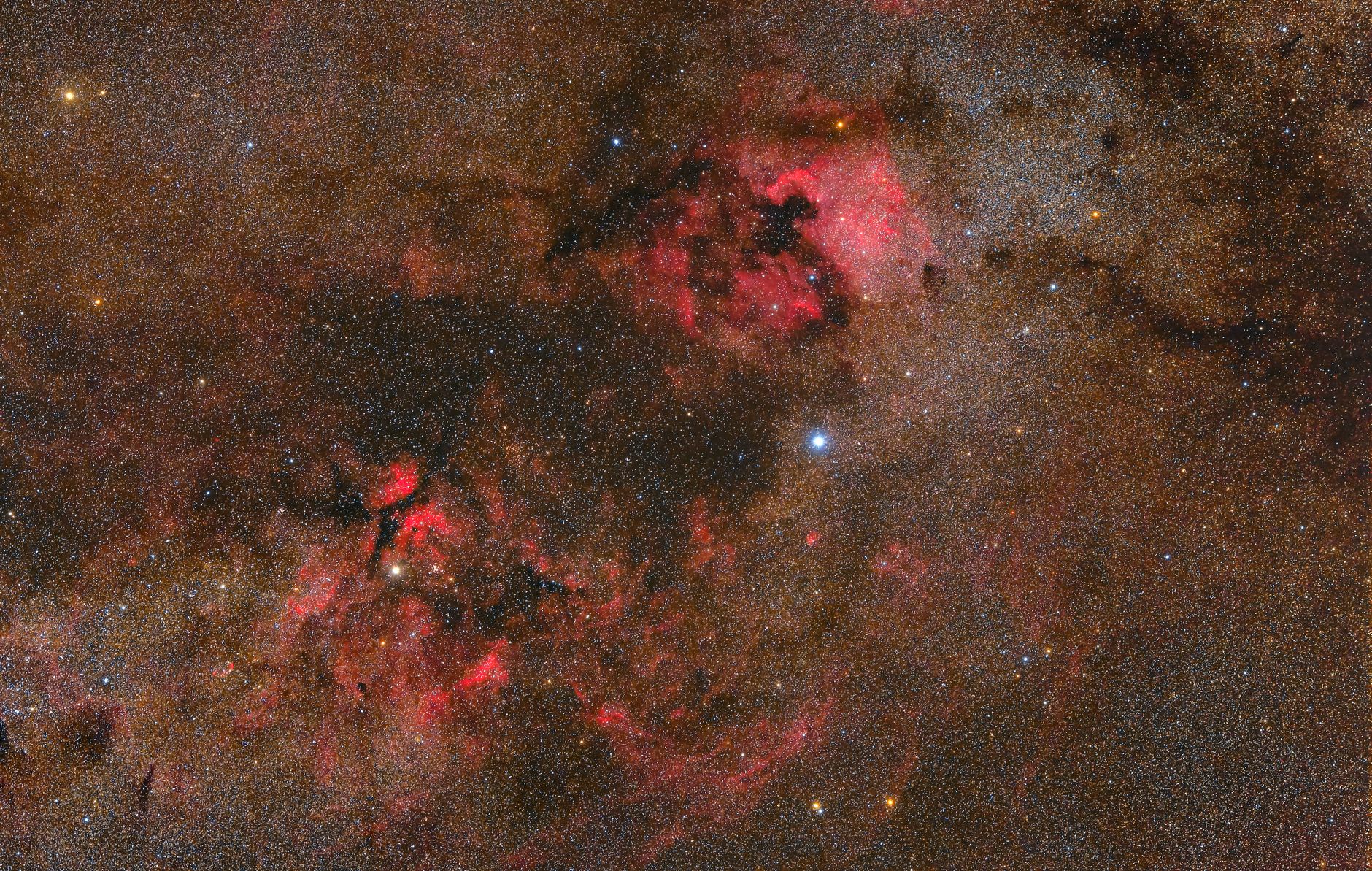
7 Critical Differences Between Biosignatures and Technosignatures
Although both approaches aim to detect extraterrestrial life, comparing biosignatures vs technosignatures reveals very different forms of evidence. Here are the 7 key ways they differ:
- 1. Origin: Biosignatures come from biological processes (metabolism, photosynthesis), while technosignatures are the result of artificial technology and engineering.
- 2. Complexity: Technosignatures often require higher levels of organization, such as radio transmitters or Dyson spheres, whereas biosignatures can be produced by simple microbes.
- 3. Detectability: Technosignatures, like radio signals, can be highly focused and easier to distinguish from natural backgrounds, whereas biosignature gases often blend with non-biological emissions.
- 4. Timescale & Persistence: Biosignatures may persist for billions of years as long as life exists on a planet. Technosignatures may be short-lived if a civilization goes extinct or switches technologies.
- 5. Energy Consumption: Technosignatures often involve deliberate energy manipulation (lasers, megastructures), while biosignatures represent passive environmental changes.
- 6. Ambiguity (False Positives): Biosignatures are prone to “false positives” from volcanic or chemical sources. Technosignatures like narrow-band radio signals have fewer natural mimics.
- 7. Spatial Scale: While biosignatures are usually planetary, technosignatures could potentially span entire star systems or even galaxies.
Because of these differences, scientists increasingly view the search for extraterrestrial life as a multi-layered strategy. Comparing biosignatures vs technosignatures helps us understand that biosignatures may reveal the widespread presence of microbial life, while technosignatures could uncover rare but transformative evidence of intelligent civilizations.
Where Scientists Are Searching Today
Astronomers have already discovered thousands of exoplanets, and many orbit within the habitable zones of their stars where liquid water could potentially exist.
The search for life has also expanded well beyond the traditional habitable zone. Moons like Europa and Enceladus in our own solar system harbor vast liquid oceans beneath their frozen crusts, sustained by tidal forces rather than starlight. These ocean worlds may be among the most promising places to find life in the solar system, and their discovery has fundamentally broadened how scientists define habitability.
The James Webb Space Telescope is now analyzing the atmospheres of some of these distant worlds, identifying molecules such as water vapor, carbon dioxide, and methane. These studies are critical for the detection of both biosignatures vs technosignatures.
Although many of the planets currently studied are large gas giants or extremely hot worlds, future telescopes will increasingly focus on smaller rocky planets similar to Earth.
The upcoming Nancy Grace Roman Space Telescope will help astronomers identify new candidate planets, while proposed missions such as LUVOIR and HabEx aim to directly image Earth-like planets and analyze their atmospheres in extraordinary detail.
Ground-based observatories will also play an important role. Instruments such as the European Extremely Large Telescope (ELT) will possess enormous light-collecting power, allowing astronomers to study the atmospheres of smaller, dimmer planets with unprecedented precision.
Meanwhile, technosignature searches continue through projects such as Breakthrough Listen, which surveys millions of stars for unusual radio signals.
The Future of Biosignatures vs Technosignatures
The coming decades may represent a turning point in humanity’s search for life beyond Earth. As we refine our understanding of biosignatures vs technosignatures, scientists increasingly combine multiple lines of evidence.
A planet showing biosignature gases, unusual atmospheric chemistry, and technosignature signals would provide a compelling case that something extraordinary is happening there.
Even ambiguous results will teach us important lessons. Discovering many habitable planets without evidence of life could suggest that living worlds are rarer than previously imagined.
The discovery of a biosignature, even from microbial life on a planet dozens of light-years away, would confirm that life exists beyond Earth. A technosignature would carry even deeper implications, meaning that somewhere in the cosmos, intelligence has arisen and developed technology.
Whether the universe proves to be quiet or filled with life, the search for biosignatures vs technosignatures is reshaping our understanding of the cosmos and humanity’s place within it.
Sources
NASA Exoplanet Exploration Program
https://exoplanets.nasa.gov
Schwieterman et al. (2018). Exoplanet Biosignatures: A Review of Remotely Detectable Signs of Life
Astrobiology
https://doi.org/10.1089/ast.2017.1729
Wright et al. (2018). The Search for Technosignatures
NASA Technosignatures Workshop Report
https://arxiv.org/abs/1809.06857
Breakthrough Listen Initiative
https://breakthroughinitiatives.org/initiative/1
Seager, S. (2014). The Future of Spectroscopic Life Detection on Exoplanets
Proceedings of the National Academy of Sciences
https://doi.org/10.1073/pnas.1304213111
Further reading: Technosignature on Wikipedia