

Latest Articles
Tidal Locking and Habitability: The Strange Worlds That Never Rotate
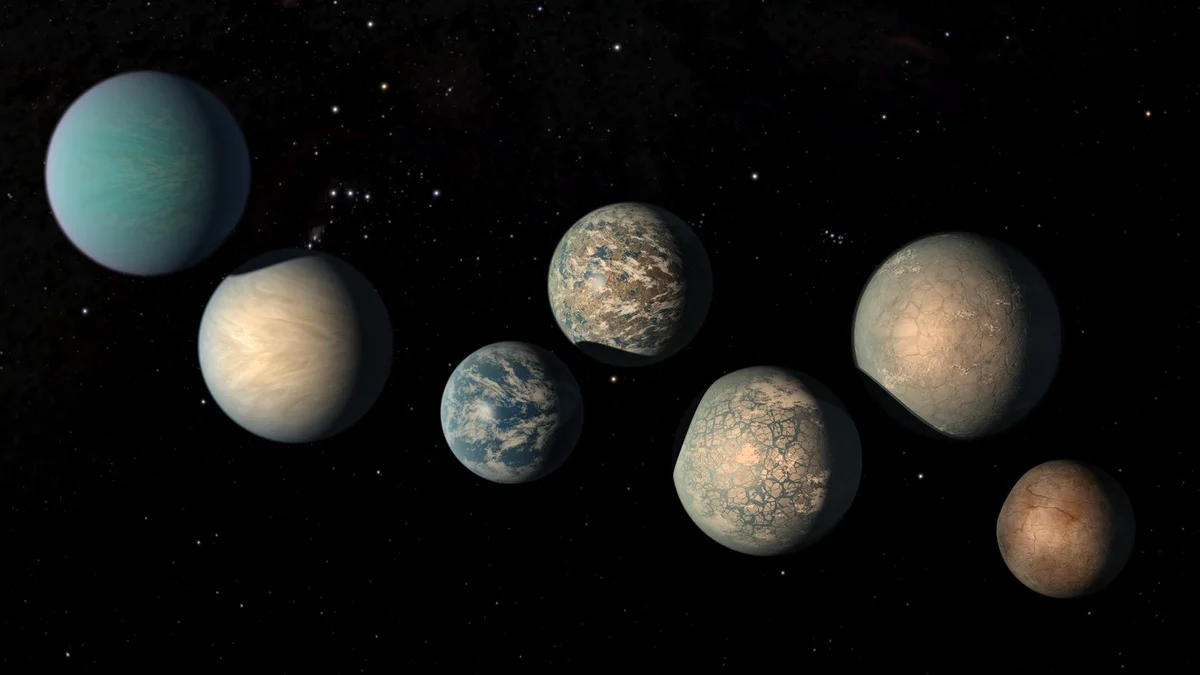
The tidal locking effect on exoplanet habitability represents one of the most intriguing challenges in modern astrophysics, forcing scientists to reconsider traditional assumptions about what makes a planet capable of supporting life. When a planet becomes tidally locked to its host star, one hemisphere experiences perpetual daylight while the other remains in endless darkness, creating…

Scientific Paradigm Shifts: How Science Actually Changes Its Mind
Science is often portrayed as a steady march of progress, each discovery adding a brick to an ever-growing wall of knowledge. But that picture is wrong. Real scientific history looks more like decades of quiet accumulation followed by sudden, disorienting upheaval. The Earth moves. Continents drift. Atoms are mostly empty space. The germ theory of…

What Is Life? Biology’s Most Fundamental Unanswered Question
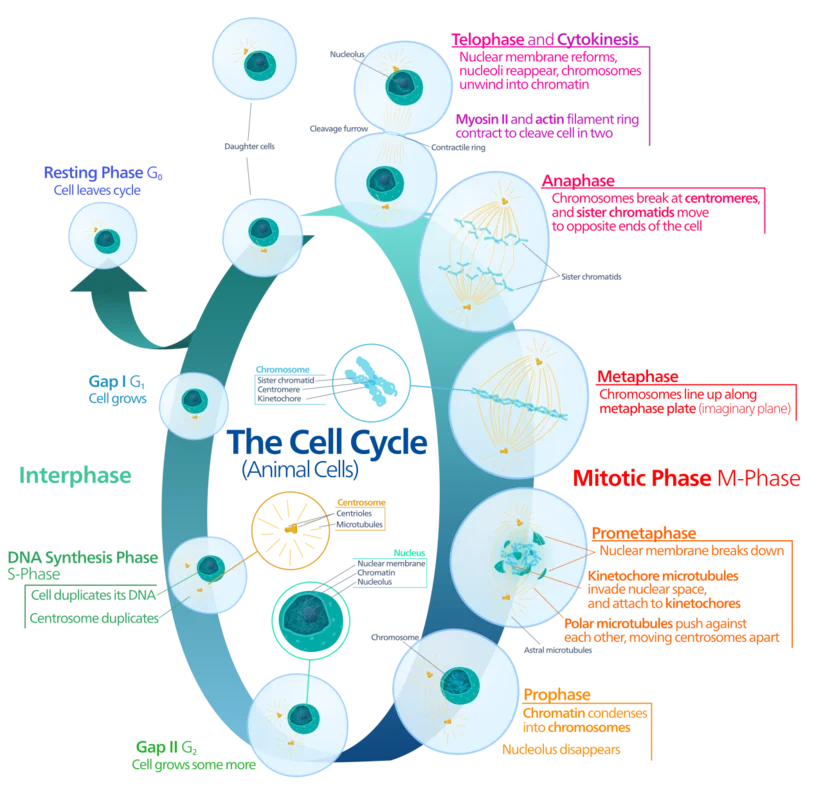
We can sequence a genome, synthesize a cell membrane, and build molecules that replicate themselves. We can detect metabolism in distant ocean worlds and observe amino acids forming in meteorites. We can edit the DNA of living organisms with molecular scissors. And yet we still cannot fully answer what is life. But we still cannot…

SETI: 60 Years of Listening for Alien Signals
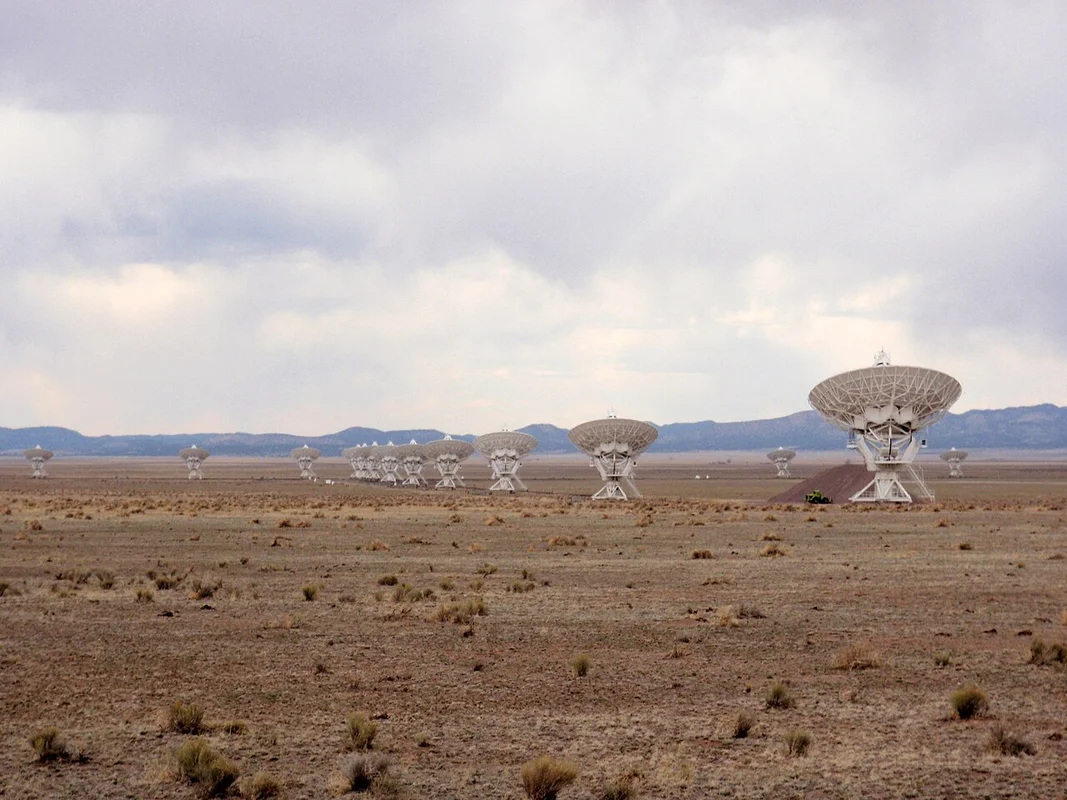
On April 8, 1960, at the National Radio Astronomy Observatory in Green Bank, West Virginia, a 26-meter radio telescope pointed toward two nearby sun-like stars, Tau Ceti and Epsilon Eridani, and listened. That moment marks the start of modern SETI history. Project Ozma, run by astronomer Frank Drake, was the first systematic scientific search for…
Why Mathematics Describes Nature: The Unreasonable Effectiveness of Math
In 1960, physicist Eugene Wigner published a short essay with a remarkable title: “The Unreasonable Effectiveness of Mathematics in the Natural Sciences.” It captured a genuine mystery: why mathematics describes nature at all. Wigner’s puzzle was simple but deep. Mathematics is a purely human intellectual creation, invented (or discovered, depending on your philosophy) without any…

The Zoo Hypothesis: Are Aliens Deliberately Hiding From Us?
The universe is 13.8 billion years old and contains perhaps 2 trillion galaxies, each with hundreds of billions of stars. Even by conservative estimates, the conditions for life should have arisen in many places long before Earth existed. Some of those civilizations, given billions of years of development, should be capable of technologies we can’t…