
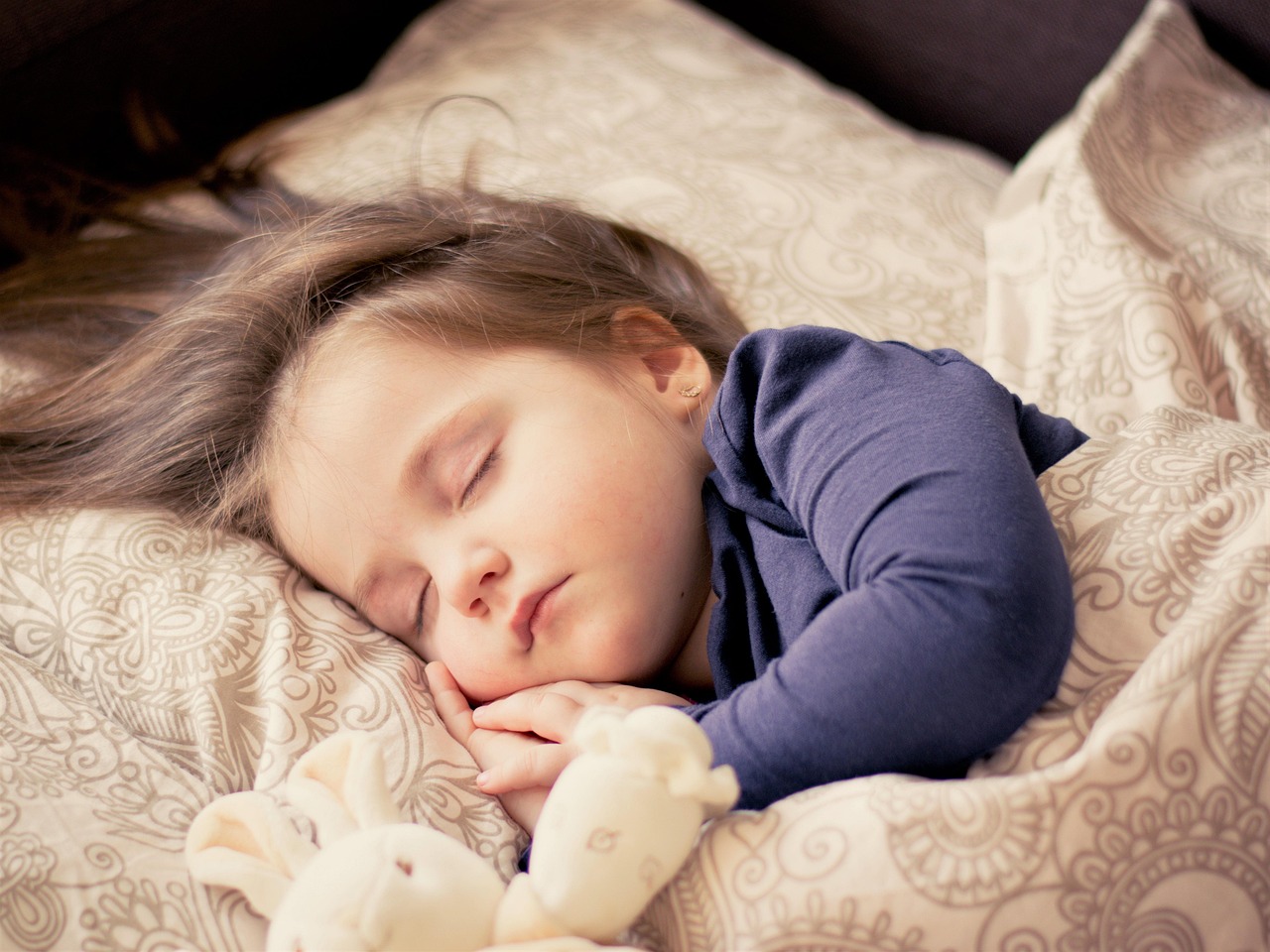
Sleep occupies roughly one-third of human life. Every animal studied, from fruit flies to blue whales, sleeps or enters a sleep-like state. Despite this universality, scientists still debate a deceptively simple question: why do we sleep? Answering why do we sleep means probing one of biology’s most compelling puzzles: the deepest functions that natural selection has preserved across millions of species. Recent research in comparative neuroscience, evolutionary biology, and molecular genetics offers increasingly clear answers. Sleep is not a design flaw or a passive state. It is an active, carefully regulated process shaped by millions of years of natural selection.
How Sleep Evolved Across Species
Sleep is not a luxury. It is a biological necessity. Researchers have documented sleep or sleep-like states in mammals, birds, reptiles, amphibians, fish, and even invertebrates such as insects and nematodes. Understanding why sleep evolved begins with this universality. A 2017 study in Current Biology demonstrated that jellyfish, which lack a central nervous system, show a sleep-like state with reduced activity and faster recovery after rest. This finding pushed the evolutionary origin of sleep back to at least 600 million years ago and reinforced sleep’s status as a fundamental biological question.
The diversity of sleep patterns is striking. Some animals sleep for a few minutes at a time. Others sleep for up to 20 hours daily. Giraffes sleep as little as 4.5 hours per day in short bursts. The brown bat sleeps nearly 20 hours. Dolphins exhibit unihemispheric sleep, where one brain hemisphere sleeps while the other remains alert. Birds can sleep with one eye open during migration. These variations reveal that sleep adapts to an animal’s ecological niche, predation risk, and metabolic demands.
Core Hypotheses: Why Do We Sleep?
Scientists have proposed several major hypotheses to explain why sleep evolved. No single theory accounts for all observed facts. Instead, sleep likely serves multiple interconnected functions that work together to enhance survival.
The Energy Conservation Hypothesis
Sleep reduces metabolic rate. For endothermic animals that maintain a constant body temperature, sleep can cut energy expenditure by 10 to 15 percent. This saving is significant for animals facing food scarcity or cold environments. A 2005 review in Nature Reviews Neuroscience estimated that a single night of sleep in humans reduces energy use by roughly 120 to 150 calories compared to quiet wakefulness.
Smaller animals with high metabolic rates tend to sleep more. Shrews sleep up to 14 hours daily. Elephants, with slower metabolisms, sleep around 4 hours. This pattern supports the idea that sleep evolved partly as a strategy to conserve energy during periods when foraging is inefficient or dangerous. The energy conservation hypothesis addresses part of why we sleep, but it does not explain the cognitive benefits.
The Restoration and Repair Hypothesis
Sleep provides a dedicated window for cellular maintenance. During deep non-REM sleep, the body releases growth hormone, repairs tissues, and synthesizes proteins. The brain clears metabolic waste products, including beta-amyloid plaques associated with Alzheimer’s disease. A landmark 2013 study in Science showed that the glymphatic system, the brain’s waste clearance pathway, is 60 percent more active during sleep than during wakefulness.
This restorative function is not limited to mammals. Fruit flies deprived of sleep show accumulation of oxidative damage in their brains. When allowed to sleep, repair mechanisms become active. The restoration hypothesis explains why sleep deprivation leads to impaired immune function, cognitive decline, and eventually death in experimental animals.
The Brain Plasticity and Memory Consolidation Hypothesis
Sleep plays a critical role in learning and memory. During slow-wave sleep, the brain replays neural patterns from the day’s experiences. This replay strengthens important connections and weakens irrelevant ones. A 2017 study in Nature Communications used calcium imaging in mice to show that memories are transferred from the hippocampus to the neocortex during sleep, a process essential for long-term storage.
REM sleep, characterized by rapid eye movements and vivid dreaming in humans, may help refine synaptic connections. The “synaptic homeostasis hypothesis” proposes that sleep prunes excessive neural connections formed during wakefulness, reducing noise and improving signal-to-noise ratio. This pruning is particularly important for developing brains. Infants spend about 50 percent of their sleep time in REM, compared to 20 percent in adults. The memory consolidation function is central to why we sleep, as it directly enhances survival through learning.
The Predator Avoidance Hypothesis
Sleep is vulnerable. A sleeping animal is less aware of threats and slower to respond. Evolution should not favor such a risky state unless the benefits outweigh the costs. The predator avoidance hypothesis argues that sleep evolved as a behavior that keeps animals hidden and inactive during periods when they are most vulnerable to predators.
Nocturnal animals sleep during the day in burrows or dense vegetation. Diurnal animals sleep at night in safe locations. The timing of sleep aligns with each species’ ecological niche. Sleep reduces the time spent moving around, which decreases encounters with predators. Animals that live in safer environments, such as arboreal primates, tend to sleep longer than those in open habitats.
Comparative studies support this idea. Herbivores that must remain vigilant, such as horses and giraffes, sleep only a few hours daily. Carnivores with fewer predators, such as lions, sleep up to 15 hours. However, the hypothesis does not fully explain why sleep is required for cellular repair and memory. Predator avoidance alone could be achieved by quiet wakefulness.
The Immune Function Hypothesis
Sleep strengthens the immune system. During sleep, the body increases production of cytokines, proteins that fight infection. A 2015 study in Sleep showed that people who sleep fewer than 7 hours per night are nearly three times more likely to develop a cold after exposure to rhinovirus compared to those who sleep 8 hours or more.
The immune hypothesis connects sleep to evolutionary survival. Animals that sleep more effectively resist infections and recover faster from illness. This benefit likely provided a selective advantage. Sleep deprivation experiments in rats show that prolonged wakefulness leads to bacterial infections and death, even when the animals are kept healthy otherwise. The immune function adds another layer to why we sleep, highlighting how sleep protects against pathogens.
The Evolutionary Trade-Offs of Sleep
Every adaptation comes with costs. Sleep reduces feeding time, mating opportunities, and vigilance. Evolution must balance these costs against the benefits. The optimal amount of sleep for each species represents a trade-off shaped by its ecology.
Consider the contrast between predators and prey. Predators can afford longer sleep because their food supply is less time-sensitive and their risk of predation is lower. Prey species sleep less because they must remain alert to danger. Yet both groups must sleep enough to maintain cognitive function and cellular repair.
A 2019 analysis in Trends in Ecology & Evolution found that mammals with higher brain mass relative to body size tend to sleep more. This correlation suggests that sleep supports the high metabolic demands of complex neural circuitry. Larger brains require more maintenance and memory consolidation.

The Role of Circadian Rhythms
Sleep is not just about total duration. Timing matters. Circadian rhythms, driven by the suprachiasmatic nucleus in the brain, align sleep with the day-night cycle. These rhythms evolved in response to the Earth’s rotation. Organisms that could predict environmental changes gained a survival advantage.
Light is the primary cue for circadian entrainment. Artificial light disrupts natural sleep patterns in humans. A 2017 study in Current Biology found that people in preindustrial societies without electric light sleep about an hour less than modern humans during winter but experience more consolidated sleep. This finding suggests that human sleep patterns evolved under natural light conditions.
Comparative Biology of Sleep: What Animals Teach Us
Different species offer unique insights into the evolution of sleep. Aquatic mammals and birds have independently evolved unihemispheric sleep. This adaptation allows them to surface for air or watch for predators while still resting half their brain. Migratory birds can sleep with one eye open for weeks at a time.
The platypus, a monotreme mammal, shows extremely high REM sleep amounts, up to 8 hours per day. This observation challenges the idea that REM sleep evolved only in placental mammals. Other unusual sleepers include the frigatebird, which can sleep in flight for seconds at a time, and the great frigatebird, which can stay awake for weeks during migration.
Honeybees also sleep. When deprived of sleep, bees perform poorly in navigation tasks. This finding demonstrates that sleep supports cognitive function in insects as well as vertebrates. The evolutionary conservation of sleep across such distantly related groups strongly suggests that sleep emerged early in the history of animal life and has been maintained due to its essential functions.
Implications for Human Health
Understanding the evolutionary purpose of sleep has practical importance. Human sleep patterns have changed dramatically in the past century. Artificial lighting, shift work, screen use, and 24-hour society disrupt circadian rhythms and reduce total sleep time. The average American adult sleeps about 6.8 hours per night, down from 7.9 hours a century ago.
Chronic sleep deprivation is linked to obesity, diabetes, cardiovascular disease, depression, and impaired immune function. The evolutionary mismatch between our ancient biology and modern environment contributes to these health problems. Public health campaigns emphasize sleep hygiene as a preventive measure.
So, why do we sleep? Ongoing research continues to reveal new functions. Recent work suggests that sleep regulates emotional processing, creativity, and decision-making. The glymphatic system clearance of waste products may explain why sleep deprivation increases the risk of neurodegenerative diseases. These findings underscore that sleep is not optional. It is a foundational biological process shaped by millions of years of natural selection.
1. Do all animals sleep?
Yes, every species studied to date shows some form of sleep or sleep-like state. This includes mammals, birds, reptiles, amphibians, fish, and invertebrates such as jellyfish, fruit flies, and nematodes. The specific patterns vary widely, but the presence of sleep across the animal kingdom strongly suggests an ancient evolutionary origin.
2. Why do humans need more sleep than some animals?
Humans need about 7 to 9 hours of sleep per night, which is average for primates. Larger animals like elephants sleep less (around 4 hours), while smaller animals like bats sleep up to 20 hours. Sleep duration correlates with brain size, metabolic rate, and predation risk. Humans have large brains for their body size, which requires significant maintenance during sleep.
3. What happens if you do not get enough sleep for a long time?
Chronic sleep deprivation impairs cognitive function, weakens the immune system, increases inflammation, and raises the risk of chronic diseases such as obesity, diabetes, cardiovascular disease, and depression. In extreme cases, sustained total sleep deprivation leads to death in laboratory animals. Human deaths from sleep deprivation are rare but occur in cases of fatal familial insomnia.
4. Can animals sleep with one eye open?
Yes. Some animals, including dolphins, whales, and some bird species, exhibit unihemispheric sleep. One brain hemisphere sleeps while the other remains alert. This adaptation allows them to surface for air, watch for predators, or navigate during migration while still obtaining rest.
5. Is dreaming an evolutionary adaptation?
Dreaming occurs primarily during REM sleep. The function of dreams is still debated. One leading hypothesis is that dreams serve as a form of emotional regulation and memory consolidation. Dreams may simulate threatening scenarios to help organisms practice responses in a safe environment. This could have provided a survival advantage in ancestral environments.
Sources & References
- Cirelli, C., & Tononi, G. (2008). Is sleep essential? PLoS Biology, 6(8), e216. https://doi.org/10.1371/journal.pbio.0060216
- Xie, L., Kang, H., Xu, Q., Chen, M. J., Liao, Y., Thiyagarajan, M., … & Nedergaard, M. (2013). Sleep drives metabolite clearance from the adult brain. Science, 342(6156), 373-377. https://doi.org/10.1126/science.1241224
- Siegel, J. M. (2005). Clues to the functions of mammalian sleep. Nature Reviews Neuroscience, 6(8), 593-605. https://doi.org/10.1038/nrn1754
- Lesku, J. A., & Rattenborg, N. C. (2014). The evolution of sleep and wakefulness. In The Evolution of Nervous Systems (2nd ed., Vol. 3, pp. 463-476). Academic Press. https://doi.org/10.1016/B978-0-12-804042-3.00063-8
- National Institute of Neurological Disorders and Stroke. (2023). Brain basics: Understanding sleep. National Institutes of Health. https://www.ninds.nih.gov/health-information/public-disorders/brain-basics/brain-basics-understanding-sleep
Further reading: NCBI review: the functions of sleep, and Sleep on Wikipedia.