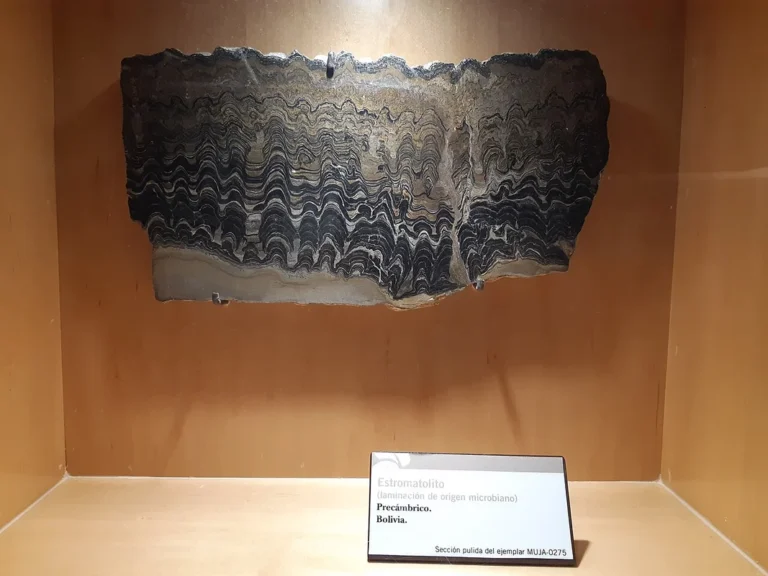
The Great Oxidation Event: How Cyanobacteria Transformed Earth’s Atmosphere
Understanding the great oxidation event causes and effects requires examining microbial metabolism, geological feedback loops, and the long-term reshaping of Earth’s surface environment. Around 2.4 billion years ago, Earth underwent a dramatic and irreversible shift. The atmosphere, once rich in methane and nearly devoid of free oxygen, suddenly began to accumulate O₂. This transition, known as the Great Oxidation Event (GOE), ranks as one of the most consequential changes in planetary history. It was not a sudden catastrophe but a slow, relentless transformation driven by a microscopic organism: cyanobacteria. Earth Before the Great Oxidation Event Before the GOE, Earth looked nothing like it does today. The early atmosphere contained high Read more