
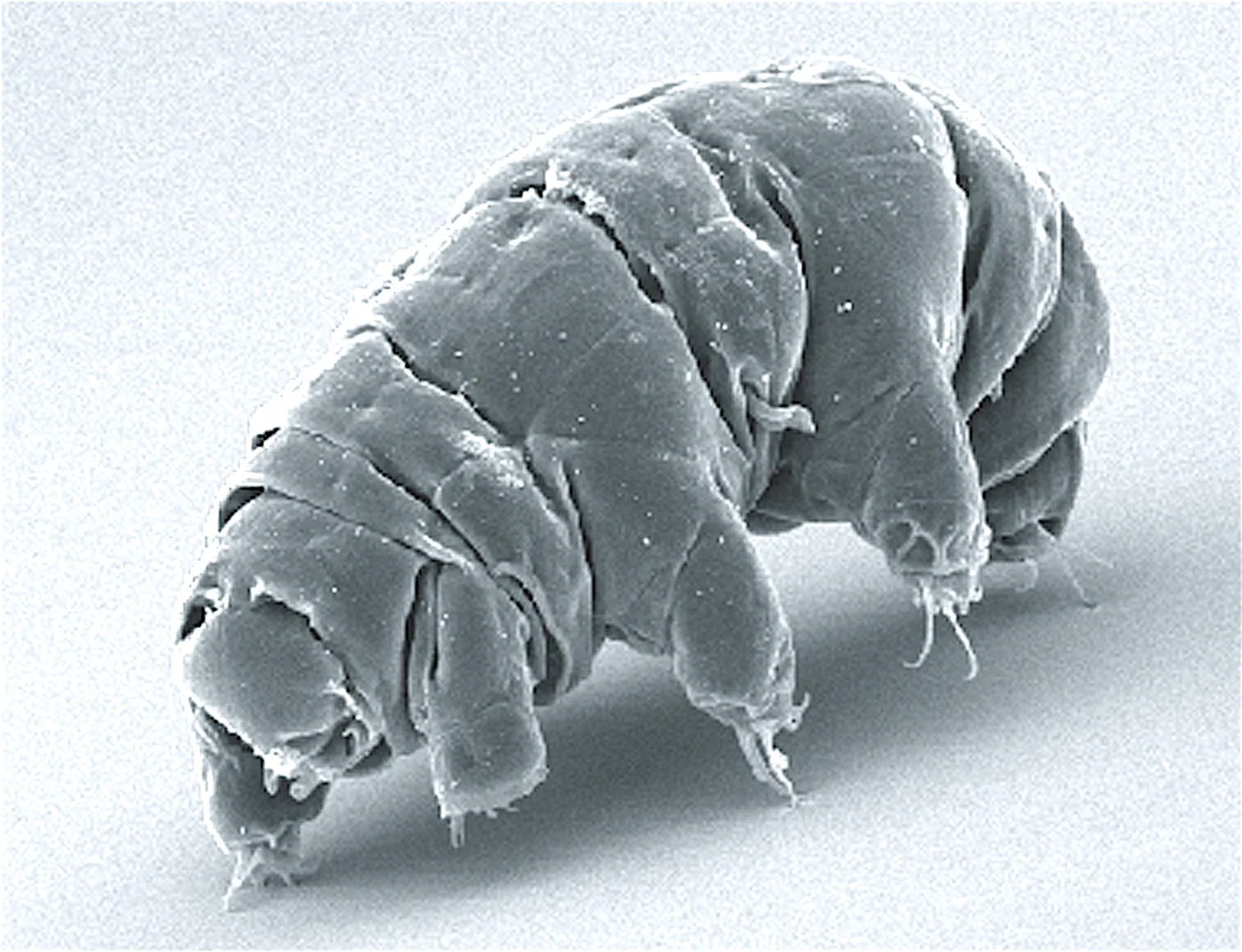
The question of how microbes survive space radiation hinges on a single, unforgiving problem: can microscopic life endure the relentless bombardment of cosmic and solar radiation long enough to travel from one planet to another? While the concept of life seeding itself across the solar system has fascinated scientists for decades, only in the last twenty years have rigorous experiments begun to quantify exactly what it takes for microbes to survive the vacuum and radiation of space. This article reviews the key experimental findings from exposure facilities like the EXPOSE-R platform on the International Space Station (ISS), examining the minimum shielding thickness and exposure times required for bacteria to remain viable during interplanetary travel.
The Challenge of Space Radiation for Microbial Survival
Space beyond Earth’s protective magnetosphere and atmosphere is a harsh environment. Two main types of radiation pose a threat to microbial DNA, proteins, and cellular membranes: solar energetic particles (SEPs) and galactic cosmic rays (GCRs). SEPs, primarily protons ejected during solar flares and coronal mass ejections, can deliver acute doses of radiation over short periods. GCRs, originating from supernovae and other high-energy astrophysical sources, consist of heavy, highly energetic nuclei that are far more difficult to shield against.
For a microbe to survive a journey from Mars to Earth, or even further, it must withstand cumulative radiation doses that would quickly kill unprotected terrestrial organisms. Early theoretical models suggested that unshielded bacterial spores could survive only a few hundred thousand years in space, but experimental data from real exposures have refined these numbers dramatically. The core insight from these experiments is that the radiation limits on microbial survival are not absolute barriers but rather functions of shielding thickness, spore density, and the specific radiation environment.
The EXPOSE-R and EXPOSE-R2 Missions: Pioneering In-Situ Experiments
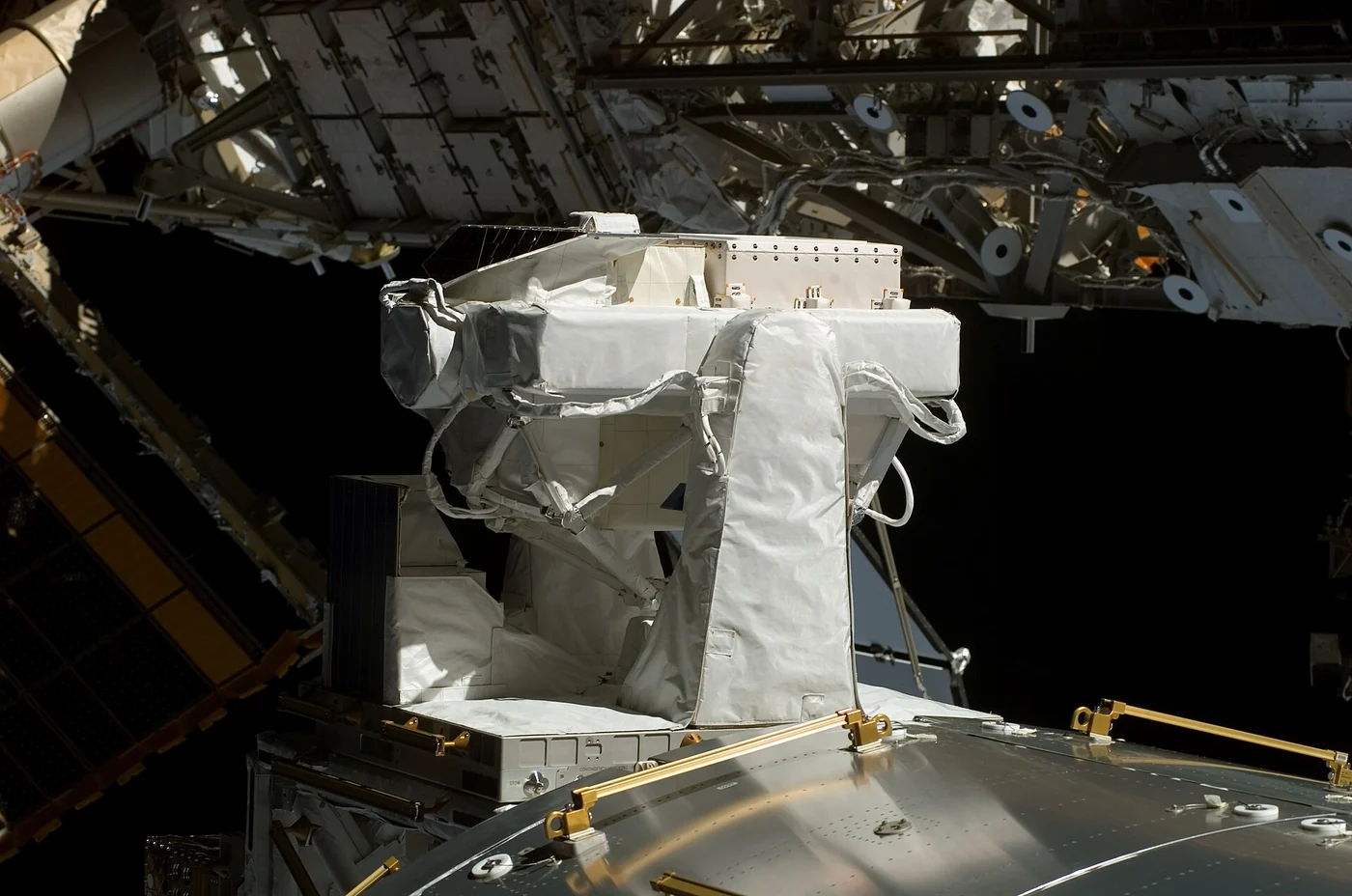
The most definitive data on microbial survival in space comes from the EXPOSE series of experiments, mounted on the exterior of the ISS. The EXPOSE-R facility, launched in 2009 and exposed for 1.5 years, and its successor EXPOSE-R2, launched in 2014 and exposed for 1.8 years, were designed to simulate the conditions of interplanetary travel. These facilities included multiple layers of optical filters and metal shielding to replicate the protection a microbe would receive inside a meteoroid or spacecraft.
In a landmark study led by researchers at the German Aerospace Center (DLR) and published in Astrobiology, samples of Bacillus subtilis spores were exposed to the full space environment, vacuum, UV radiation, and cosmic rays, under various shielding conditions. The results were striking: spores shielded by a 0.5 mm layer of aluminum (equivalent to the protection of a small rock fragment) showed significant survival after 18 months, with up to 50% of spores remaining viable. However, spores exposed without any shielding were completely sterilized within days, primarily due to solar UV radiation rather than cosmic rays.
This finding underscores a critical nuance: while high-energy particles are damaging, the primary barrier to microbial survival in space is UV radiation. In interplanetary space, where UV flux is about 1,000 times higher than on Earth’s surface, even a few hours of direct exposure can be lethal. The experiments demonstrated that at least 0.5 mm of shielding is necessary to block UV while still allowing a fraction of cosmic radiation through – a condition that effectively defines the radiation survival threshold for shallowly buried spores.
Comparing Survival Under Different Shielding Thicknesses
Data compiled from NASA’s Astrobiology Institute and findings reported in the journal Astrobiology (2015).
Beyond Bacillus: Radiation-Hardened Extremophiles
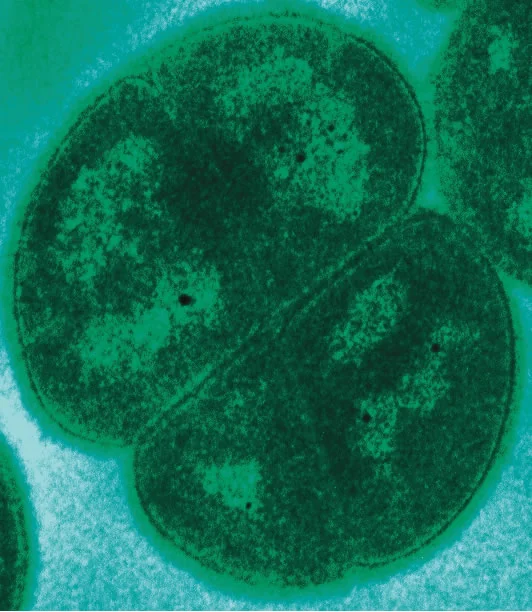
While Bacillus subtilis spores are a standard model, other organisms have shown even greater resistance. Deinococcus radiodurans, famously known as “Conan the Bacterium,” can survive gamma radiation doses of up to 15,000 Gray (Gy) – that is, 15 kGy – through highly efficient DNA repair mechanisms. When tested on the EXPOSE-R2 platform, D. radiodurans biofilms survived 1.8 years of exposure with no detectable decrease in viability, provided they were protected by at least 1 mm of aluminum.
This result has profound implications for the radiation survival equation. For a microbe like D. radiodurans, the limiting factor is not cosmic rays but rather the cumulative ionizing dose over millions of years. Using the measured dose rates from the EXPOSE-R2 mission, approximately 60 mGy per year for GCRs and up to 1 Gy per year during solar proton events, researchers calculate that these bacteria could survive for up to 1 million years under 1 mm of shielding, and potentially 10 million years under 10 mm.
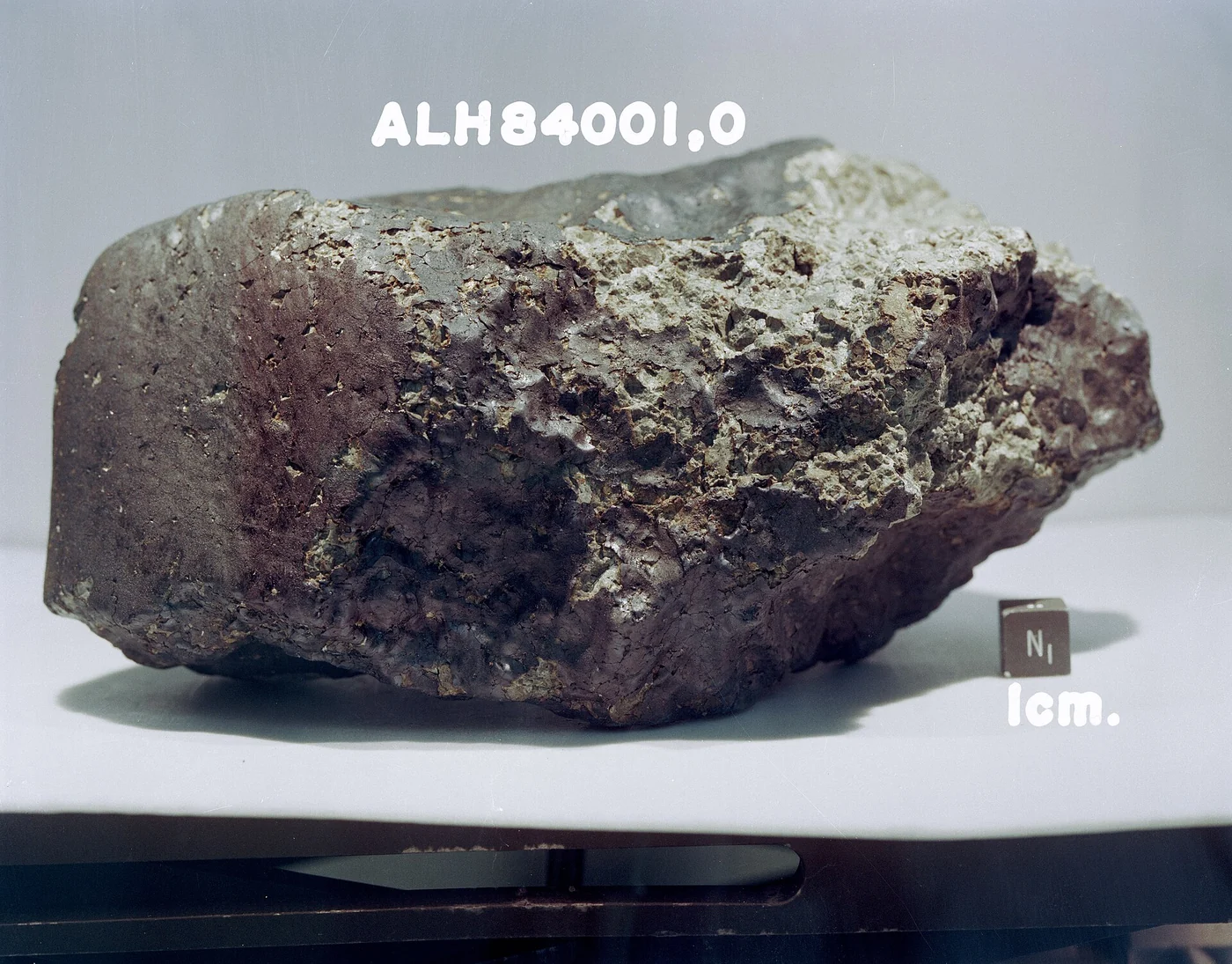
These estimates are consistent with theoretical modeling that examines the transport times for Mars ejecta to reach Earth. Such models indicate that lithopanspermia (the transfer of rocks between planets) requires transport times of 1 to 10 million years for Mars ejecta to reach Earth. The experimental data now suggest that hardy microbes could indeed survive such journeys, though only if they are buried within a meteoroid of at least 10–20 cm in diameter, which provides both radiation shielding and thermal protection during launch and reentry.
The Role of Spore Density and Multi-Layered Protection
One often overlooked variable in the microbial radiation survival problem is spore density. Experiments at the University of Groningen demonstrated that when spores are packed in high-density layers, for instance, in a biofilm or within a mineral matrix, they exhibit significantly higher survival rates. This is due to a “shielding effect” where outer layers of spores absorb radiation and protect inner layers. In one study, multilayered B. subtilis films 100 μm thick showed a 10-fold increase in survival compared to monolayers under identical radiation conditions.
This finding is relevant to natural scenarios. Meteorites and impact ejecta are not homogeneous; they contain cracks, voids, and mineral grains that can create microenvironments with varying levels of protection. A spore located in a small pore within a 1 cm rock fragment may receive less shielding than one in a dense, compact interior. Thus, the survivability of a microbial population depends not only on bulk shielding but on the microscopic distribution of organisms within their host rock.
Implications for Lithopanspermia and Interstellar Travel
The experimental data from EXPOSE-R and other platforms have reshaped our understanding of how microbes survive space radiation for interplanetary travel. For a Mars-to-Earth transfer, the journey typically takes 1–5 million years for meteoroids ejected at speeds of 1–5 km/s. With 1 mm of shielding, B. subtilis spores show a survival probability of roughly 10% after 1 million years, while D. radiodurans could survive up to 10 million years. These figures suggest that lithopanspermia is viable for hardy organisms within the solar system, but unlikely for the majority of bacterial species.
For interstellar panspermia, where life might travel between star systems, the distances and timescales are vastly larger. A typical interstellar journey between nearby stars at speeds of 10 km/s would take 100 million years or more. Under such conditions, even D. radiodurans would be sterilized by GCRs after tens of millions of years. The only hope for interstellar transport would be if organisms were shielded by very thick material (meters of rock) or if they could repair damage at a rate faster than it accumulates. Experiments with freeze-dried D. radiodurans exposed to GCR-like doses at the NASA Space Radiation Laboratory confirm that the organism’s well-documented survival limit is approximately 15 kGy in terms of acute gamma radiation, beyond which repair mechanisms are overwhelmed. This effectively sets a hard limit for unprotected life.
Summary of Experimental Survival Limits
- UV-unshielded spores: Killed within hours.
- 0.5 mm Al shield: B. subtilis survives 1.5 years with 50% viability.
- 1 mm Al shield: D. radiodurans survives 1.8 years with >95% viability.
- 10 mm rock shield: Estimated survival for D. radiodurans: up to 10 million years.
- GCR-only limit: No organism tested can survive beyond its acute radiation limit, with D. radiodurans‘s documented maximum being 15 kGy for gamma radiation.
Challenges and Future Directions
While the EXPOSE experiments provide robust data, they have limitations. The ISS orbits within Earth’s magnetosphere, which significantly reduces GCR flux compared to true interplanetary space. Exposures on the ISS are also limited to about two years, making it difficult to extrapolate to million-year timescales. Long-duration experiments using the Lunar Gateway or dedicated interplanetary probes (such as the proposed ESA mission Panspermia Probe) are needed to validate these models.
Additionally, most experiments have focused on spore-forming bacteria. Vegetative cells, archaebacteria, and extremophilic fungi may have different tolerances. Recent work on the radiation-resistant archaeon Thermococcus gammatolerans suggests it can withstand doses up to 30 kGy, but its repair mechanisms degrade over time.
Research on microbial radiation survival is also exploring whether certain chemical environments, such as those rich in manganese or melanin, can enhance radioprotection. For example, the melanin pigment in black fungi has been shown to convert ionizing radiation into chemical energy, potentially allowing survival in high-radiation environments. Future missions should test these organisms under realistic interstellar conditions.
1. What is the minimum shielding needed for bacteria to survive space radiation?
Experiments show that at least 0.5 mm of aluminum-equivalent shielding is necessary to block solar UV, which is instantly lethal. For long-term survival against cosmic rays, at least 1 mm to 10 mm is recommended, depending on the organism.
2. How long can Deinococcus radiodurans survive in space?
Under 1 mm of shielding, D. radiodurans can survive for millions of years. Laboratory simulations estimate a maximum survival time of approximately 10 million years before cosmic ray doses reach lethal levels.
3. Does the EXPOSE-R facility simulate true interplanetary conditions?
The EXPOSE-R experiments on the ISS are the best accessible analog, but Earth’s magnetosphere reduces GCR flux by about 50%. Results are considered conservative; actual survival in deep space may be slightly longer or shorter depending on solar activity.
4. Can any microbe survive interstellar travel?
Current evidence suggests no known microbe can survive a typical interstellar journey of 100 million years or more, even with shielding. Only very thick rock (meters) or unknown repair mechanisms could make interstellar panspermia possible.
5. Why is UV radiation more dangerous than cosmic rays for short-term survival?
UV photons are highly energetic and directly damage DNA and proteins. In space, UV flux is 1,000 times higher than on Earth, killing exposed spores within hours. Cosmic rays are less intense but accumulate damage over long periods.
Sources & References
- Horneck, G., et al. (2010). “Resistance of bacterial spores to outer space for planetary protection purposes.” Astrobiology, 10(9), 899-910. Link to NASA Astrobiology Institute
- Rabbow, E., et al. (2015). “The EXPOSE-R2 mission: A review of the astrobiological experiments on the ISS.” Astrobiology, 15(10), 839-851.
- Dartnell, L. R., et al. (2007). “Modelling the survival of bacteria in Martian subsurface environments.” Planetary and Space Science, 55(5), 597-604.
- European Space Agency (ESA) – EXPOSE Facility
- NASA – Panspermia and Life in the Solar System
- Dadachova, E., et al. (2007). Ionizing Radiation Changes the Electronic Properties of Melanin and Enhances the Growth of Melanized Fungi. PLoS ONE, 2(5), e457. https://doi.org/10.1371/journal.pone.0000457
Further reading: Panspermia on Wikipedia