
For decades, evolutionary biology centered on a simple principle: offspring inherit genes from parents. This vertical transmission model works for animals, plants, and fungi. But in the microbial world, a different process dominates. Horizontal gene transfer (HGT) allows organisms to acquire genetic material from sources other than their parents. This mechanism is the primary driver of antibiotic resistance, complicates the tree of life, and even shows evidence of operating in eukaryotes, including humans. Understanding how HGT works is essential for medicine, agriculture, and evolutionary science. This article provides a clear horizontal gene transfer explained with scientific precision for a general audience.
Horizontal Gene Transfer Explained: The Three Mechanisms
Bacteria do not have sex in the eukaryotic sense. Instead, they exchange DNA through three distinct processes: conjugation, transduction, and transformation. Each mechanism has its own molecular machinery, ecological niche, and evolutionary consequences. To fully grasp horizontal gene transfer explained, it helps to examine each pathway in detail.
Horizontal Gene Transfer Explained: Conjugation and Direct Cell-to-Cell Transfer
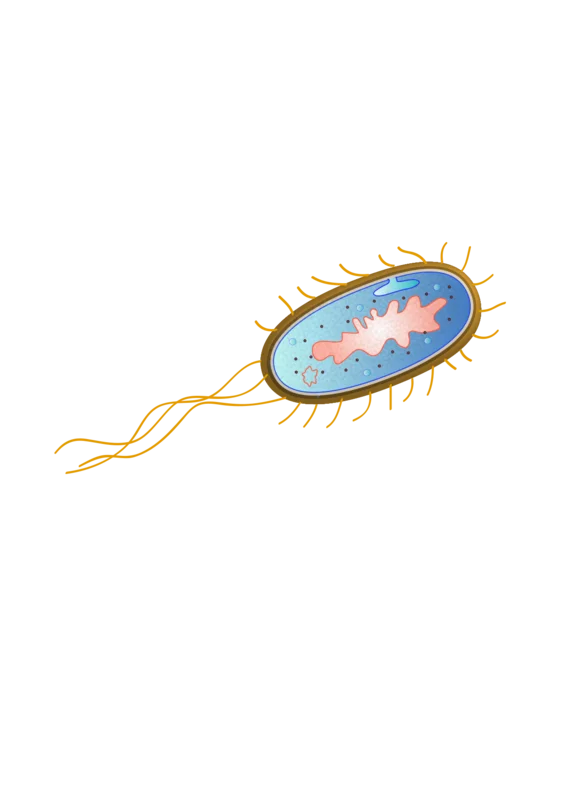
Conjugation involves physical contact between two bacterial cells. A donor cell extends a structure called a pilus, a thin protein tube, to attach to a recipient cell. The pilus retracts, bringing the cells close together. A channel called the conjugative pore forms between them. The donor then transfers a single strand of DNA, often a plasmid, through this channel into the recipient. The recipient synthesizes the complementary strand to form a double-stranded plasmid.
Plasmids are the key vectors in conjugation. These small, circular DNA molecules exist independently of the bacterial chromosome. They carry genes that are not essential for basic survival but provide adaptive advantages. Conjugation is not random. It requires specific genetic elements, such as the tra genes on the F-plasmid in Escherichia coli, which encode the pilus and transfer machinery. This process can transfer large DNA segments, sometimes hundreds of kilobases, between species as distantly related as E. coli and Salmonella.
Horizontal Gene Transfer Explained: Transduction by Bacteriophages
Transduction relies on bacteriophages, viruses that infect bacteria. When a phage replicates inside a bacterium, it packages its own viral DNA into new phage particles. However, during assembly, the phage may accidentally package a segment of bacterial DNA instead of viral DNA. This process is called generalized transduction. Alternatively, in specialized transduction, the phage integrates its genome into the bacterial chromosome and, upon exiting, excises a portion of adjacent bacterial DNA along with its own.
The resulting phage particle, now carrying bacterial genes, infects a new host cell. It injects the bacterial DNA into the recipient. If the DNA is homologous (similar) to the recipient's genome, recombination can occur, integrating the new genes. Phage-mediated transfer is highly efficient and can move genes across species boundaries. For example, the Shiga toxin genes in pathogenic E. coli strains were acquired through transduction from Shigella phages.
Transformation: Uptake of Free DNA
Transformation involves a bacterium taking up free DNA from the environment. This DNA may come from dead or lysed cells. Bacteria that are naturally competent can bind and import external DNA through specialized membrane proteins. The DNA must be single-stranded for transport across the membrane. Once inside, the DNA can integrate into the recipient's chromosome via homologous recombination.
Natural competence is not universal. It is regulated by environmental signals such as nutrient availability, cell density, and stress. Notable competent species include Bacillus subtilis, Streptococcus pneumoniae, and Neisseria gonorrhoeae. Transformation is a major mechanism for spreading antibiotic resistance genes in environmental and clinical settings. It also allows bacteria to acquire entirely new metabolic capabilities, such as the ability to degrade pollutants.
Why Antibiotic Resistance Spreads So Fast
Antibiotic resistance poses one of the greatest public health threats of the 21st century. The World Health Organization has classified antimicrobial resistance as a "global health emergency." The WHO reports that at least 700,000 people die each year from drug-resistant infections, a number projected to rise to 10 million by 2050 without action. The speed at which resistance spreads cannot be explained by mutation alone. Horizontal gene transfer is the primary accelerant.
Mutations arise spontaneously at rates of roughly 10^-6 to 10^-9 per base pair per generation. A single mutation might confer resistance to one antibiotic. But HGT allows bacteria to acquire entire gene cassettes that confer resistance to multiple drugs simultaneously. Plasmids carrying multiple resistance genes, called multidrug resistance plasmids, can spread through an entire bacterial population in hours.

Consider the case of Klebsiella pneumoniae. This bacterium has acquired a plasmid carrying the blaNDM-1 gene, which encodes an enzyme that degrades carbapenems, a last-resort class of antibiotics. This plasmid originated in Acinetobacter baumannii and transferred to K. pneumoniae through conjugation. The plasmid has since spread to E. coli and other Enterobacteriaceae species worldwide. The rapid dissemination of this resistance mechanism demonstrates how HGT effectively bypasses the bottleneck of mutation.
In clinical settings, conjugation is the dominant mechanism. Bacteria in biofilms, such as those on catheters or ventilators, are densely packed and in constant contact, facilitating transfer. Transduction and transformation also contribute, especially in environmental reservoirs like soil and water. The misuse of antibiotics in agriculture and human medicine creates selective pressure that amplifies the spread of resistance genes via HGT.
The Role of Plasmids and Bacteriophages
Plasmids are the workhorses of HGT. They are self-replicating, extrachromosomal DNA molecules that carry genes for antibiotic resistance, virulence factors, metabolic pathways, and toxin production. Plasmids vary in size from a few thousand base pairs to over a megabase. They can carry multiple resistance genes, often organized in transposons or integrons that facilitate their mobility.
Plasmids are not static. They evolve through recombination, acquisition of new transposons, and deletion of non-essential genes. Some plasmids, known as broad-host-range plasmids, can replicate in diverse bacterial species. The IncP group of plasmids can transfer between almost any Gram-negative bacterium. This promiscuity is a key reason for the global spread of resistance.
Bacteriophages are equally important. Phages are the most abundant biological entities on Earth, with an estimated 10^31 particles. They infect bacteria in every ecosystem. Through transduction, phages can transfer genes across species and even genera. Phages can also integrate into bacterial chromosomes as prophages, providing a reservoir of genetic material that can be reactivated later.
Phage therapy, the use of bacteriophages to kill pathogenic bacteria, is being revisited as an alternative to antibiotics. However, phages can also accelerate resistance transfer. A phage that infects a resistant bacterium may transduce resistance genes to a susceptible population. This trade-off highlights the complexity of using phages therapeutically.
Evidence of Horizontal Gene Transfer in Eukaryotes
HGT was long thought to be limited to prokaryotes. Over the past two decades, researchers have found compelling evidence that HGT also occurs in eukaryotes, including plants, fungi, and animals. The most striking examples come from species that have acquired genes from bacteria, viruses, or other eukaryotes.
Examples in Plants and Fungi
The plant parasitic nematode Heterodera glycines (soybean cyst nematode) acquired a cellulase gene from bacteria through HGT. This gene allows the nematode to digest plant cell walls, enabling it to infect soybeans. Similarly, the whitefly Bemisia tabaci has a gene that detoxifies plant toxins, which it acquired from bacteria. A 2020 study in Current Biology identified over 200 cases of HGT in the genomes of 27 insect species30385-0), providing solid evidence that HGT is not rare in animals.
Fungi show even more widespread HGT. The red bread mold Neurospora crassa acquired a bacterial gene for the biosynthesis of a photoprotective pigment. Many fungal plant pathogens have acquired virulence genes from bacteria or other fungi. The acquisition of entire gene clusters for secondary metabolites is common in fungi, allowing them to adapt to new hosts or environmental niches.
Evidence in Mammals and Humans
The question of HGT in mammals is more controversial. Early claims of HGT in humans were often refuted as contamination or sequencing artifacts. However, recent genomic analyses have identified several plausible cases. The human genome contains sequences that show similarity to bacterial genes, and some of these may have been acquired from bacteria via transposable elements.
A notable example is the HYAL gene family, which encodes hyaluronidase enzymes. Analysis suggests that an ancestral hyaluronidase gene was acquired from bacteria and later duplicated in mammals. Another candidate is the MGLL gene, which encodes monoacylglycerol lipase, an enzyme involved in lipid metabolism. A 2015 study in Genome Biology analyzed human and bacterial genomes and proposed at least 17 genes that likely originated from bacterial HGT, though some remain disputed.

The mechanism for HGT into animal cells remains unclear. It may involve phagocytosis of bacteria, transfer via intracellular parasites, or transposon-mediated integration of bacterial DNA. The frequency and functional significance of HGT in humans are still debated, but the evidence is strong enough to warrant careful investigation.
How Horizontal Gene Transfer Complicates the Tree of Life
The traditional tree of life, rooted in Darwinian descent with modification, assumes that genes pass vertically from parent to offspring. HGT fundamentally challenges this model. When genes can jump between species, the evolutionary history of an organism is no longer a single tree but a network or web.
This is most apparent in bacteria. The genomes of closely related species can share only 50% of their genes. The rest come from diverse sources via HGT. For example, the E. coli genome contains genes from Salmonella, Pseudomonas, and even archaea. The core set of genes that encode essential functions, such as ribosome components, are mostly conserved. But the accessory genome, which includes resistance and metabolic genes, is highly variable.
Taxonomy based on 16S rRNA gene sequences, the gold standard for bacterial identification, can be misleading. The 16S gene is rarely transferred horizontally, so it reflects lineage. But the rest of the genome may tell a different story. Two bacteria with identical 16S sequences can have completely different sets of virulence or resistance genes, depending on their HGT history.
In eukaryotes, the impact is smaller but not negligible. Researchers now speak of a "tree of life with horizontal branches" or a "web of life" to accommodate HGT. The concept of the last universal common ancestor (LUCA) still holds, but the idea of a strictly bifurcating tree for all life has been modified. Programs like SplitsTree and network-based phylogenetic methods are now used to visualize HGT events.
The discovery of HGT also forces a reevaluation of the concept of species. In bacteria, the biological species concept based on interbreeding does not apply. Instead, genetic exchange occurs through HGT without any sexual reproduction. The species boundary becomes fuzzy, defined more by gene flow and shared core genes than by reproductive isolation.
Barriers to Horizontal Gene Transfer Explained
HGT is not unconstrained. Bacteria have evolved multiple defense systems that limit the acquisition of foreign DNA. Understanding these barriers is essential for a complete horizontal gene transfer explained. The best characterized barriers include restriction-modification systems and CRISPR-Cas immunity.
Restriction-modification systems are the most widespread defense. A bacterium produces a restriction endonuclease that cleaves DNA at specific recognition sequences. The host protects its own genome by methylating the same sequences. Incoming foreign DNA, lacking the methylation mark, is cleaved and degraded. Over 3,000 restriction enzymes have been characterized across bacterial species, each recognizing a different target sequence. This system substantially reduces the efficiency of transformation and transduction.
CRISPR-Cas (Clustered Regularly Interspaced Short Palindromic Repeats and CRISPR-associated proteins) provides adaptive immunity. Bacteria capture short DNA fragments from invading phages or plasmids and store them as spacers in the CRISPR array. When the same genetic element attacks again, the CRISPR system transcribes guide RNAs that direct Cas nucleases to cleave the invading DNA. This system is highly specific and can block both plasmid transfer and phage infection. CRISPR-Cas is present in approximately 40% of sequenced bacterial genomes and 90% of archaeal genomes, indicating its evolutionary importance. For deeper context, explore our guide to Evolution.
Additional barriers include the lack of homology for recombination, the toxicity of expressed foreign genes, and the incompatibility of replication machinery for incoming plasmids. These barriers collectively reduce, but do not eliminate, HGT. The success of a transfer event depends on overcoming all these defenses simultaneously.
Q: What is the difference between horizontal gene transfer and vertical gene transfer?
A: Vertical gene transfer is the inheritance of genes from parent to offspring through reproduction. Horizontal gene transfer is the acquisition of genetic material from other organisms without a parent-offspring relationship. HGT bypasses reproduction.
Q: Is horizontal gene transfer the same as genetic engineering?
A: No. HGT is a natural biological process that occurs without human intervention. Genetic engineering is a laboratory technique where scientists deliberately insert or modify genes. Some natural HGT mechanisms are used in genetic engineering, such as conjugation-based plasmid transfer.
Q: Can horizontal gene transfer occur between bacteria and humans?
A: The evidence suggests that some bacterial genes have integrated into the human genome over evolutionary time. However, contemporary HGT from bacteria to human cells is not known to occur at a significant rate. The cases identified involve ancient acquisition events.
Q: Why doesn't horizontal gene transfer spread all genes equally?
A: HGT is not random. It depends on the availability of mobile genetic elements (plasmids, phages, transposons), the competence of recipient cells, and selective pressure. Genes that provide a fitness advantage in a particular environment are more likely to be retained and spread.
Q: How do scientists detect horizontal gene transfer in genomes?
A: Researchers use several methods: aberrant GC content or codon usage compared to the rest of the genome, the presence of mobile genetic elements nearby, phylogenetic incongruence (the gene tree does not match the species tree), and the gene's presence in only a few closely related species.
Sources & References
- World Health Organization. Antimicrobial Resistance Fact Sheet. https://www.who.int/news-room/fact-sheets/detail/antimicrobial-resistance
- Centers for Disease Control and Prevention. Antibiotic Resistance Threats in the United States. https://www.cdc.gov/drugresistance/index.html
- Soucy SM, Huang J, Gogarten JP. Horizontal gene transfer: building the web of life. Nature Reviews Genetics. 2015;16(8):472-482.
- Crisp A, Boschetti C, Perry M, Tunnacliffe A, Micklem G. Expression of multiple horizontally acquired genes is a hallmark of both vertebrate and invertebrate genomes. Genome Biology. 2015;16:50. https://doi.org/10.1186/s13059-015-0607-3
- Husnik F, McCutcheon JP. Functional horizontal gene transfer from bacteria to eukaryotes. Nature Reviews Microbiology. 2018;16(2):67-79.
- Li Y, Liu Z, Liu C, et al. Horizontal gene transfer in insects: current status and future directions. Current Biology. 2020;30(8):R352-R357. https://www.cell.com/current-biology/fulltext/S0960-9822(20)30385-0
- Ochman H, Lawrence JG, Groisman EA. Lateral gene transfer and the nature of bacterial innovation. Nature. 2000;405(6784):299-304.
- Thomas CM, Nielsen KM. Mechanisms of, and barriers to, horizontal gene transfer between bacteria. Nature Reviews Microbiology. 2005;3(9):711-721.
Further reading: Horizontal gene transfer on Wikipedia